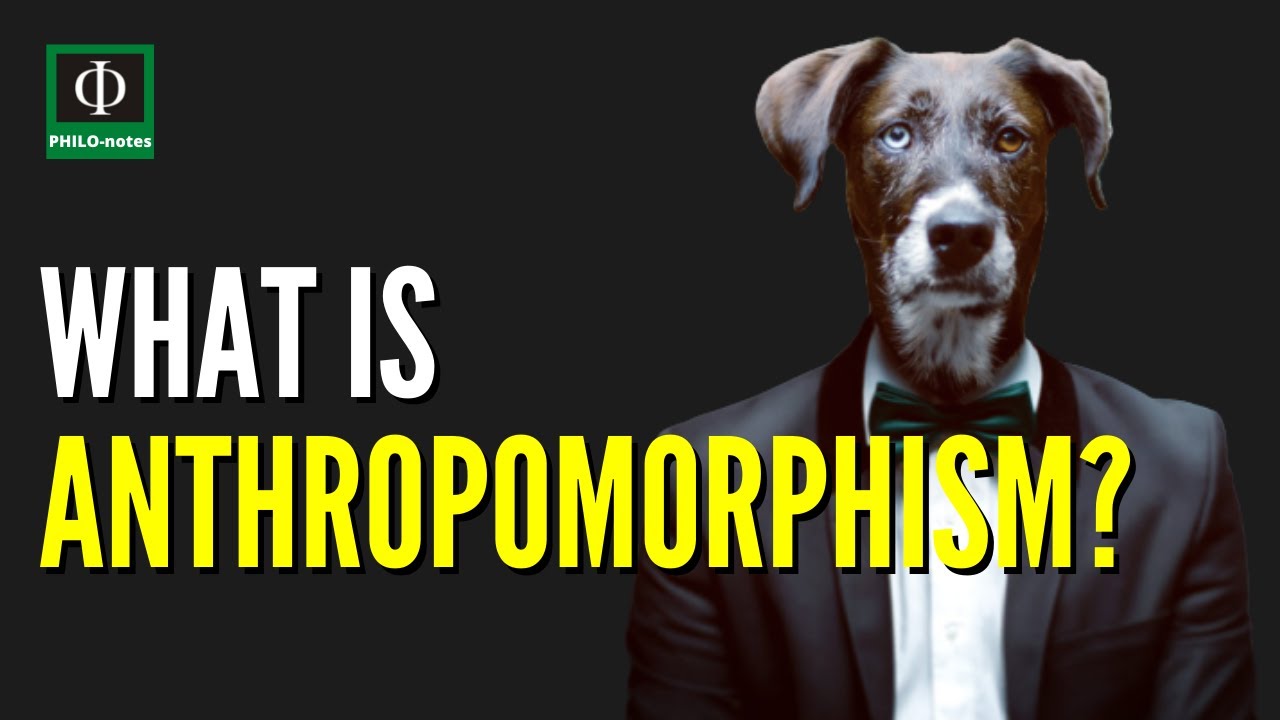
Anthropomorphism—the art of imbuing non-human entities with human traits—has long been a cornerstone of storytelling across cultures. Nowhere is this phenomenon more vividly realized than in manga, where animals, objects, and even abstract concepts don capes, wield swords, and grapple with existential dilemmas. The Japanese art form transforms the mundane into the extraordinary, using metaphor to explore identity, society, and the human condition. From the cunning fox spirits of folklore to the sentient kitchenware of modern slice-of-life series, anthropomorphism in manga is not merely a stylistic choice but a cultural mirror reflecting Japan’s relationship with nature, technology, and tradition.
The Roots of Anthropomorphism in Japanese Folklore
To understand anthropomorphism in manga, one must first trace its lineage to Japan’s rich mythological tapestry. Yokai—supernatural creatures ranging from the mischievous *tanuki* to the vengeful *yurei*—have populated Japanese tales for centuries, often embodying moral lessons or natural phenomena. Manga, as a modern medium, inherits this tradition, reimagining these entities as protagonists navigating human-like struggles. Consider *Natsume’s Book of Friends*, where spirits, once feared, become sympathetic figures yearning for connection. Here, anthropomorphism transcends decoration; it becomes a vehicle for empathy, allowing readers to confront their own alienation through the lens of the otherworldly.
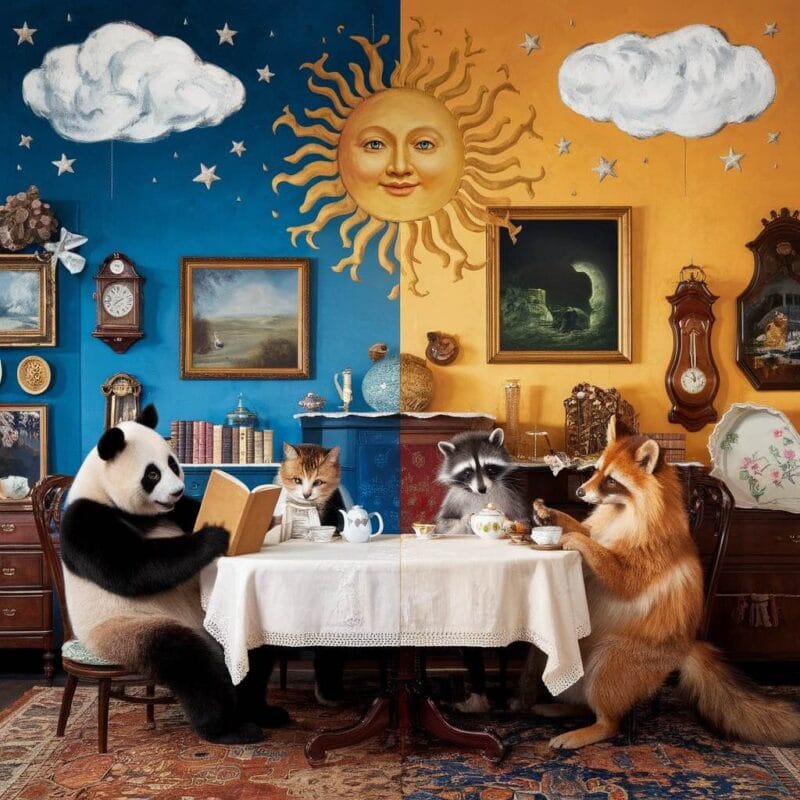
The fox (*kitsune*) and raccoon dog (*tanuki*), ubiquitous in folklore, are prime examples. In manga, they are rarely mere tricksters; instead, they grapple with themes of loyalty, betrayal, and the cost of immortality. Their humanized forms—often clad in kimono or wielding supernatural powers—serve as allegories for societal outsiders, challenging norms while celebrating cultural duality. This duality is central to manga’s anthropomorphic appeal: it bridges the gap between the familiar and the foreign, inviting readers to see the extraordinary in the everyday.
Anthropomorphism as a Lens for Social Commentary
Manga’s anthropomorphic characters frequently act as satirical mirrors, reflecting Japan’s societal anxieties and aspirations. In *Aggretsuko*, the protagonist is a red panda navigating the soul-crushing monotony of corporate life, her frustration channeled into death metal karaoke. The series’ genius lies in its ability to critique workplace culture without alienating its audience—by externalizing human emotions into a relatable, non-human form. Similarly, *Yotsuba&!* features a mischievous girl whose boundless curiosity and childlike wonder serve as a commentary on generational gaps, with her antics highlighting the innocence often lost in adulthood.
Even in genres like mecha or isekai, anthropomorphism takes on new dimensions. *Neon Genesis Evangelion*’s biomechanical angels, though not traditionally “human,” embody existential dread through their grotesque, almost divine forms. Their struggle against humanity becomes a metaphor for the clash between progress and tradition, a tension palpable in Japan’s rapid technological evolution. By personifying forces of nature or technological entities, manga transforms abstract concepts into tangible narratives, making complex ideas digestible through visceral storytelling.
The Aesthetic of the Uncanny: Blurring Boundaries
Manga’s unique visual language amplifies the power of anthropomorphism. The *chibi* style—exaggerated, childlike proportions—softens the edges of otherwise intimidating creatures, rendering them endearing. Conversely, the *gekiga* tradition employs stark, angular designs to evoke unease, as seen in *Homunculus*, where a homeless man’s psychological unraveling is mirrored by his grotesque, human-like shadow. This duality—adorable yet unsettling—creates a tension that keeps readers engaged, forcing them to confront the blurred line between self and other.
Color palettes further enhance this effect. Warm hues in *Chi’s Sweet Home* evoke the cozy domesticity of a kitten’s life, while the cold blues of *Blame!*’s cyberpunk megastructures reflect the alienation of a sentient AI. These choices are not arbitrary; they are deliberate tools to manipulate emotion, guiding readers through the narrative’s emotional landscape. The result is a form of visual anthropomorphism, where even inanimate objects—like the sentient train in *Durarara!!*—develop personalities through their design and movement, transcending their static origins.
Anthropomorphism in Modern Manga: From Niche to Mainstream
Once confined to niche genres like *shonen* or *shoujo*, anthropomorphism has exploded into mainstream consciousness. Series like *Spy x Family* blend espionage with a heartwarming family dynamic, where a telepathic girl, a super-spy, and an assassin coexist as a dysfunctional unit. The humor and pathos arise from their shared humanity despite their inhuman abilities, a testament to manga’s ability to universalize even the most fantastical premises. Similarly, *The Promised Neverland* subverts expectations by presenting its child protagonists as livestock in a dystopian farm, forcing readers to question their own complicity in systemic oppression.
This mainstreaming reflects a broader cultural shift in Japan, where anthropomorphism has seeped into advertising, robotics (e.g., the humanoid robot *Pepper*), and even government campaigns. Manga, as a cultural export, has played a pivotal role in normalizing this perspective, making the “other” relatable to global audiences. The phenomenon is not limited to Japan; Western audiences have embraced series like *One-Punch Man*, where a superpowered hero grapples with existential boredom, or *Mob Psycho 100*, where a psychic teen navigates adolescence through the lens of supernatural battles. The appeal is universal: anthropomorphism allows us to explore our humanity by looking outward.
The Psychological Allure: Why We Connect with the Non-Human
At its core, anthropomorphism in manga taps into a fundamental human desire: the need to understand and be understood. By projecting human emotions onto non-human forms, readers engage in a form of cognitive play, testing the boundaries of empathy. Studies in psychology suggest that anthropomorphism reduces cognitive dissonance, making complex or distressing topics more approachable. In manga, this manifests as a coping mechanism—whether through the catharsis of *Attack on Titan*’s titans embodying fear of the unknown, or the whimsy of *Chi’s Sweet Home*, where a kitten’s antics offer respite from adult responsibilities.
Moreover, anthropomorphism in manga often serves as a form of escapism that is uniquely Japanese. The concept of *mono no aware*—the pathos of things—infuses these stories with a bittersweet melancholy. A series like *Mushishi* presents its titular *mushi* (supernatural creatures) as enigmatic forces of nature, their motives inscrutable yet deeply felt. The reader’s connection to these entities is not based on understanding but on coexistence, a reflection of Japan’s Shinto-influenced worldview where spirits inhabit all things. This spiritual dimension elevates anthropomorphism from mere metaphor to a philosophical exploration of existence itself.
The Future of Anthropomorphism in Manga
As manga continues to evolve, so too does its use of anthropomorphism. The rise of AI and virtual influencers like *Lil Miquela* suggests a future where the line between human and non-human blurs entirely. Manga is already exploring this terrain, with series like *Pluto* reimagining *Astro Boy*’s themes in a world where robots and humans coexist. The challenge—and opportunity—for creators will be to maintain the emotional resonance of anthropomorphism while navigating an increasingly digital landscape. Will future manga feature sentient algorithms or blockchain-based entities? The possibilities are as limitless as the human imagination.
Yet, at its heart, anthropomorphism remains a celebration of the human spirit. Whether through the tragic grandeur of *Berserk*’s apostles or the quiet humor of *Non Non Biyori*’s country folk, manga reminds us that the most profound stories are those that make us feel less alone. By donning the skins of foxes, robots, or even inanimate objects, we are not escaping our humanity but embracing it—finding solace in the fact that, in the end, we are all just creatures trying to make sense of the world.

![Case Study: How [Comic Series] Used Anthropomorphism to Stand Out](https://anthropomorphism.org/wp-content/uploads/2026/05/San-Diego-Comic-Con-2-scaled-1.jpg)