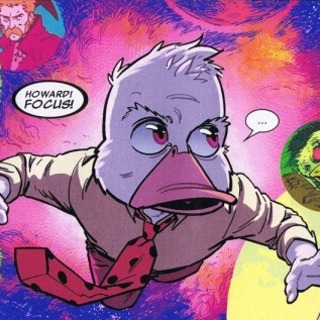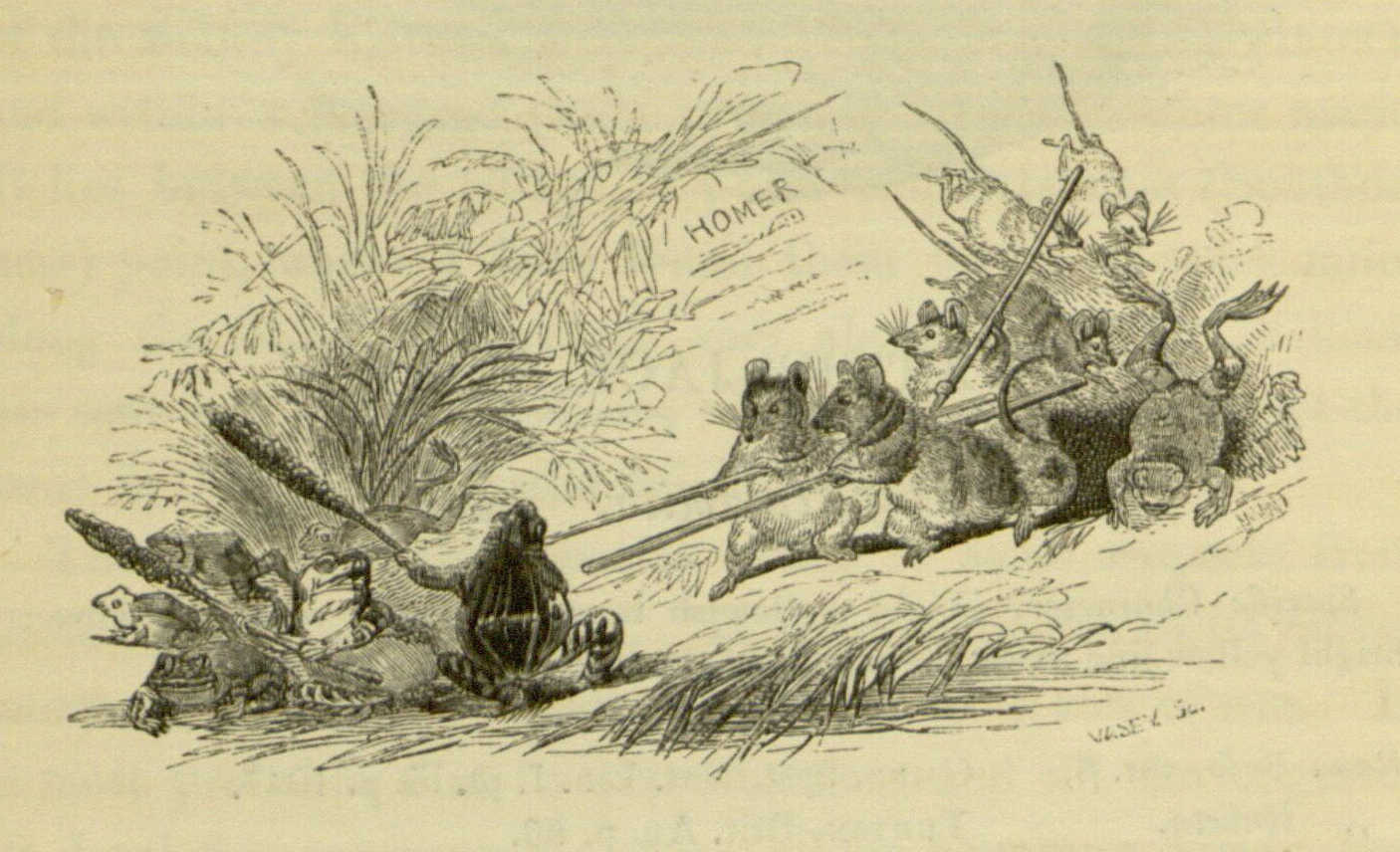
What if the key to unlocking life’s most profound lessons lay not in the stern lectures of sages or the weighty tomes of philosophy, but in the mischievous grin of a fox, the cunning wit of a spider, or the boisterous antics of a lion? Anthropomorphism—the art of imbuing human traits, emotions, and narratives into non-human entities—has long been a silent architect of wisdom, shaping how we perceive the world and our place within it. From the trickster figures of ancient mythology to the talking animals of modern fables, authors have wielded this literary device with surgical precision, turning the ordinary into the extraordinary and the mundane into the magical. But how does one harness such a potent tool without veering into the saccharine or the simplistic? This case study peels back the layers of anthropomorphism’s power, examining how a masterful author transformed the abstract into the tangible, the didactic into the delightful, and the timeless into the urgently relevant.
The Allure of the Uncanny: Why Anthropomorphism Captivates the Human Psyche
At its core, anthropomorphism is a cognitive shortcut—a way for the human brain to process complexity by framing it in familiar terms. When a cunning fox outwits a naive crow in a fable, we don’t see a bird and a mammal; we see ambition, vanity, and the consequences of hubris. This transference of human characteristics onto non-human subjects does more than entertain; it creates a mirror in which readers confront their own flaws, aspirations, and contradictions. The author’s challenge, then, is to strike a delicate balance: the anthropomorphized entity must feel vividly real, yet its humanity must serve as a vessel for deeper truths rather than a distraction from them.
Consider the fox in Aesop’s fables. Its slyness isn’t just a quirk of animal behavior—it’s a metaphor for human deceit, a narrative device that allows readers to engage with ethical dilemmas without the weight of moralizing. The author’s genius lies in recognizing that the most effective anthropomorphism doesn’t just make the inanimate feel alive; it makes the abstract feel intimate. The reader doesn’t just *understand* the lesson—they *feel* it, because the lesson is draped in the familiar guise of a character they’ve grown to know and, perhaps, even love.
The Alchemy of Transformation: Turning Symbols into Stories
Anthropomorphism is not merely about slapping human traits onto animals or objects; it’s about imbuing those traits with narrative purpose. The author must ask: What does this character *do*? How does their humanity serve the story’s larger themes? A talking teapot in a children’s tale isn’t just a vessel for tea—it’s a symbol of hospitality, a reminder of the warmth of human connection. But in the hands of a less skilled writer, it could just as easily become a gimmick, a hollow vessel devoid of meaning.
Take, for instance, the spider in *Charlotte’s Web*. E.B. White doesn’t just give Charlotte the ability to spin words into her web; he turns her into a weaver of fate, a creature whose humanity—her kindness, her resilience, her quiet courage—becomes a beacon for a young pig named Wilbur. The author’s triumph here is in making the spider’s anthropomorphism feel organic. Charlotte doesn’t *act* human; she *is* human in the way that matters most: she teaches us about sacrifice, about the fleeting nature of life, and about the quiet heroism that resides in the most unexpected places.
This alchemy requires a deep understanding of both the subject and the audience. The author must ask: What fears, hopes, or curiosities does this anthropomorphized entity evoke? A storm cloud with a temper might resonate with a child’s fear of thunder, but it could also symbolize the unpredictability of life for an adult reader. The challenge is to craft a character whose humanity transcends its form, leaving the reader with a lingering question: *What if the world’s greatest lessons are hiding in plain sight, disguised as something—or someone—else?*
The Pitfalls of Overindulgence: When Anthropomorphism Backfires
Yet for every triumph, there are a dozen missteps where anthropomorphism veers into the absurd or the saccharine. The line between enchantment and annoyance is thinner than a spider’s thread. Consider the overuse of talking animals in children’s media: when every squirrel has a moral dilemma and every bunny is a philosopher, the device loses its potency. The author must resist the temptation to over-explain, to anthropomorphize *everything*, lest the story become a parade of hollow caricatures rather than a tapestry of meaning.
There’s also the risk of anthropomorphism feeling forced, as if the author is trying too hard to make the inanimate relatable. A sentient toaster might be amusing, but if its existential musings about breakfast culture don’t serve a larger purpose, the joke wears thin. The key is to ensure that the anthropomorphism enhances the story’s themes, rather than distracting from them. The author must ask: Does this character’s humanity deepen the narrative, or is it merely a gimmick to keep the reader’s attention?
Even the most skilled writers can stumble. Take, for example, the animated films of the 1990s, where animals were given human voices and mannerisms to the point of distraction. The anthropomorphism wasn’t just a tool; it became the entire spectacle, leaving little room for the story’s emotional core to shine. The lesson here is clear: anthropomorphism should be the spice, not the main course. When used judiciously, it elevates the narrative; when overused, it drowns it in a sea of forced charm.
From Page to Mind: The Psychological Impact of Anthropomorphic Lessons
The true power of anthropomorphism lies in its ability to bypass the reader’s defenses. When a character is a fox, a spider, or a storm cloud, the reader is more likely to engage with the lesson without feeling preached at. This psychological sleight of hand is what makes anthropomorphism so effective in teaching life lessons. The author isn’t just imparting wisdom; they’re inviting the reader to *discover* it for themselves, through the lens of a character they’ve grown to trust.
Consider the trickster archetype, found in mythologies across the globe. Whether it’s Loki in Norse tales, Anansi in African folklore, or the fox in Japanese *kitsune* stories, the trickster is a shape-shifter who challenges norms, exposes hypocrisy, and forces characters—and readers—to confront uncomfortable truths. The trickster’s anthropomorphism isn’t just about giving a human face to a non-human entity; it’s about using that face to hold up a mirror to society. The author’s challenge is to wield this archetype with precision, ensuring that the trickster’s mischief serves a purpose beyond mere entertainment.
But anthropomorphism’s psychological impact extends beyond tricksters and talking animals. It can also be used to explore complex emotions in a way that feels accessible. A grieving child might find solace in a story about a tree that learns to let go of its leaves in autumn, or a lonely elder might see themselves in a lighthouse that stands sentinel against the storm. The author’s task is to harness this power without veering into sentimentality, to make the anthropomorphized entity a vessel for empathy rather than a crutch for cheap emotional manipulation.
The Author’s Toolkit: Crafting Anthropomorphism That Resonates
So how does an author craft anthropomorphism that feels authentic, purposeful, and resonant? The answer lies in a combination of observation, restraint, and empathy. The author must first understand the essence of the entity they’re bringing to life. What are the core traits of a fox? Not just its physical attributes, but its behavior, its role in the ecosystem, its cultural symbolism. A fox isn’t just sly; it’s a survivor, a creature that thrives in the margins. These nuances are what make the anthropomorphism feel real.
Restraint is equally crucial. The author must resist the urge to over-explain or over-describe. The anthropomorphized entity should feel human in its actions and emotions, but it shouldn’t *act* human in a way that feels unnatural. A talking teapot might pour itself tea, but it shouldn’t suddenly start discussing quantum physics unless the story’s tone demands it. The key is to find the sweet spot where the anthropomorphism enhances the narrative without overwhelming it.
Finally, the author must approach anthropomorphism with empathy. The entity being brought to life isn’t just a vehicle for the story; it’s a character in its own right. The author must ask: What does this character want? What fears or desires drive them? How do they change over the course of the story? When anthropomorphism is rooted in genuine character development, it transcends its literary device status and becomes a living, breathing part of the narrative.
The Legacy of Anthropomorphic Storytelling: Lessons for the Modern Author
The history of literature is rife with examples of anthropomorphism done right—and, unfortunately, done wrong. From Aesop’s fables to *Watership Down*, from *The Lion, the Witch and the Wardrobe* to *Life of Pi*, authors have used this device to explore the human condition in ways that are both profound and playful. The modern author stands on the shoulders of these giants, but they must also navigate a world where attention spans are fleeting and the demand for originality is insatiable.
The challenge for today’s writers is to use anthropomorphism in a way that feels fresh, relevant, and necessary. In an era where climate change, artificial intelligence, and societal fragmentation dominate the cultural conversation, anthropomorphism offers a unique lens through which to explore these issues. What if a river could speak? What if a robot could dream? What if a virus could warn us about the fragility of life? These aren’t just whimsical questions; they’re invitations to engage with the world in a way that feels both intimate and urgent.
The author who masters anthropomorphism doesn’t just tell a story—they invite the reader to see the world anew. They take the familiar and make it strange, the ordinary and make it extraordinary, the abstract and make it tangible. And in doing so, they remind us that the greatest lessons aren’t always found in the pages of a textbook or the words of a sage. Sometimes, they’re hiding in the grin of a fox, the wisdom of a spider, or the quiet resilience of a storm cloud.