In the quiet hum of a child’s imagination, where stuffed animals whisper secrets and toy trains embark on midnight adventures, something profound is unfolding. Anthropomorphism—the act of attributing human traits, emotions, and intentions to non-human entities—isn’t merely a whimsical literary device. It is a psychological bridge, one that allows young minds to navigate the complexities of the world through the familiar lens of their own experiences. Children’s literature, with its vibrant tapestry of talking animals, sentient objects, and personified forces of nature, serves as a crucible where this cognitive alchemy takes place. But why does this phenomenon resonate so deeply with young readers? How does it shape their understanding of empathy, morality, and even their own identity? The answers lie not just in the stories themselves, but in the intricate workings of the child’s psyche.
The Cognitive Scaffold: How Anthropomorphism Structures Young Minds
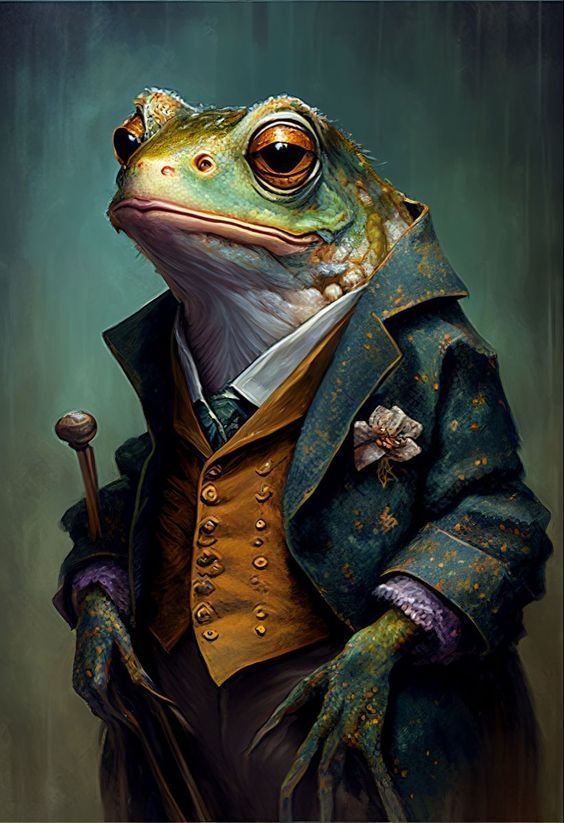
From the moment a child first encounters a bear who wears a waistcoat or a teapot that pours itself, their brain is engaged in a delicate dance of pattern recognition and meaning-making. Anthropomorphism acts as a cognitive scaffold, a temporary framework that supports the child’s burgeoning understanding of abstract concepts. When a storm is depicted as a grumpy old man shaking his fist at the sky, the child doesn’t just see a meteorological event—they witness a narrative of cause and effect, of intention and consequence. This simplification of complex phenomena into relatable human dramas is not a regression into naivety; it is a sophisticated cognitive strategy. Studies in developmental psychology suggest that children under the age of seven are particularly prone to anthropomorphic thinking because their brains are still refining their ability to distinguish between animate and inanimate entities. In this liminal space, stories become laboratories where the boundaries of the self are tested and expanded.
The magic of anthropomorphism lies in its duality: it is both a mirror and a window. It reflects the child’s own emotions back at them, validating their inner world while simultaneously offering a glimpse into the perspectives of others. A grieving child might find solace in a story where a cloud sheds tears, or a shy child might see themselves mirrored in a timid snail who eventually finds its voice. This dual function—validation and exploration—is what makes anthropomorphism such a potent tool in children’s literature. It doesn’t just tell a story; it invites the child to inhabit it, to wear the skin of another and walk a mile in their shoes, even if those shoes are made of bark or stitched from starlight.
The Empathy Engine: Anthropomorphism as a Catalyst for Emotional Intelligence
Empathy is not an innate trait; it is a skill, honed through practice and repetition. Anthropomorphism in children’s literature serves as an empathy engine, a mechanism that accelerates the development of emotional intelligence by placing the child in the role of the other. When a child reads about a fox who outsmarts a hunter not out of malice but out of fear for his family, they are not merely absorbing a plot—they are rehearsing the nuances of compassion. They learn that bravery isn’t the absence of fear but the willingness to act despite it. They discover that kindness can be a shield, and that even villains are, at their core, seeking something familiar: love, security, or belonging.
This emotional scaffolding extends beyond the pages of a book. Research has shown that children who frequently engage with anthropomorphic narratives demonstrate higher levels of prosocial behavior, such as sharing and cooperation. The reason is simple: when a child sees a tree that “sighs” in the wind or a river that “sings” as it flows, they are being trained to perceive the world as a web of interconnected experiences. This perceptual shift fosters a sense of stewardship, a recognition that their actions—whether toward a sibling, a pet, or the environment—have ripple effects. Anthropomorphism doesn’t just teach children to care; it teaches them how to care, by providing a lexicon of emotions and motivations that transcends species and circumstance.

The Moral Compass: Navigating Right and Wrong Through Personified Tales
Moral development is a journey fraught with ambiguity, and children’s literature often serves as their first guide through this terrain. Anthropomorphism transforms abstract ethical dilemmas into tangible, memorable narratives. When a greedy character is depicted as a dragon hoarding treasure while a village starves, the child doesn’t need a lecture on greed—they see its consequences played out in vivid, often visceral detail. The personification of virtues and vices as characters with faces and voices makes morality feel less like a set of rules and more like a living, breathing part of the world. This is why fables endure: they distill complex moral truths into archetypes that lodge in the child’s psyche, waiting to be activated in moments of real-life decision-making.
Yet anthropomorphism’s role in moral education is not without its paradoxes. Consider the classic tale of the Big Bad Wolf, a character who is both villain and victim, predator and parent. The child is left to grapple with the uncomfortable truth that morality is rarely black and white. The wolf’s howls echo with loneliness; his hunger is a mirror to the reader’s own desires. This ambiguity is not a flaw in the storytelling—it is a feature. It teaches children that justice is not a hammer but a scale, and that empathy requires holding multiple truths in balance. By personifying abstract concepts like justice, greed, or forgiveness, children’s literature transforms morality from a distant ideal into a practice, something to be tested, questioned, and ultimately, internalized.
The Identity Crucible: Finding the Self in the Other
Adolescence is often framed as the period when children grapple with questions of identity, but the seeds of this exploration are sown much earlier. Anthropomorphism in children’s literature acts as an identity crucible, a space where the child experiments with different facets of themselves. When a child reads about a lonely robot who learns to love or a shy cloud who learns to shine, they are not just observing external characters—they are engaging in a form of imaginative role-play. The robot’s journey mirrors their own fears of inadequacy; the cloud’s transformation reflects their desire for self-expression. In this way, anthropomorphism becomes a mirror that doesn’t just reflect the child’s current self but also the selves they might become.
This process of self-discovery is particularly potent in stories that feature non-human protagonists who are, in many ways, more human than the humans around them. A talking animal or a sentient object doesn’t carry the baggage of adult expectations or societal norms. They are free to embody traits that the child admires or fears within themselves. A timid child might see a brave squirrel in a storm and realize that courage is not the absence of fear but the decision to act anyway. An imaginative child might find kinship in a dragon who prefers poetry to fire-breathing, validating their own unique passions. Anthropomorphism, in this sense, is a form of permission—a gentle nudge that says, “It’s okay to be different. It’s okay to be you.”
The Dark and the Light: The Shadow Side of Anthropomorphism
No exploration of anthropomorphism would be complete without acknowledging its shadow side. While it can be a force for empathy and understanding, it can also distort reality in ways that are not always benign. Children who over-identify with anthropomorphic characters may struggle to distinguish between fantasy and reality, leading to confusion or anxiety. A story where a villain is irredeemable or a hero is infallible can reinforce rigid, binary thinking, stifling the child’s ability to see nuance in human behavior. Moreover, the personification of natural phenomena—storms as angry gods, rivers as vengeful spirits—can instill a sense of powerlessness, as if the child’s actions have no agency in a world governed by capricious forces.
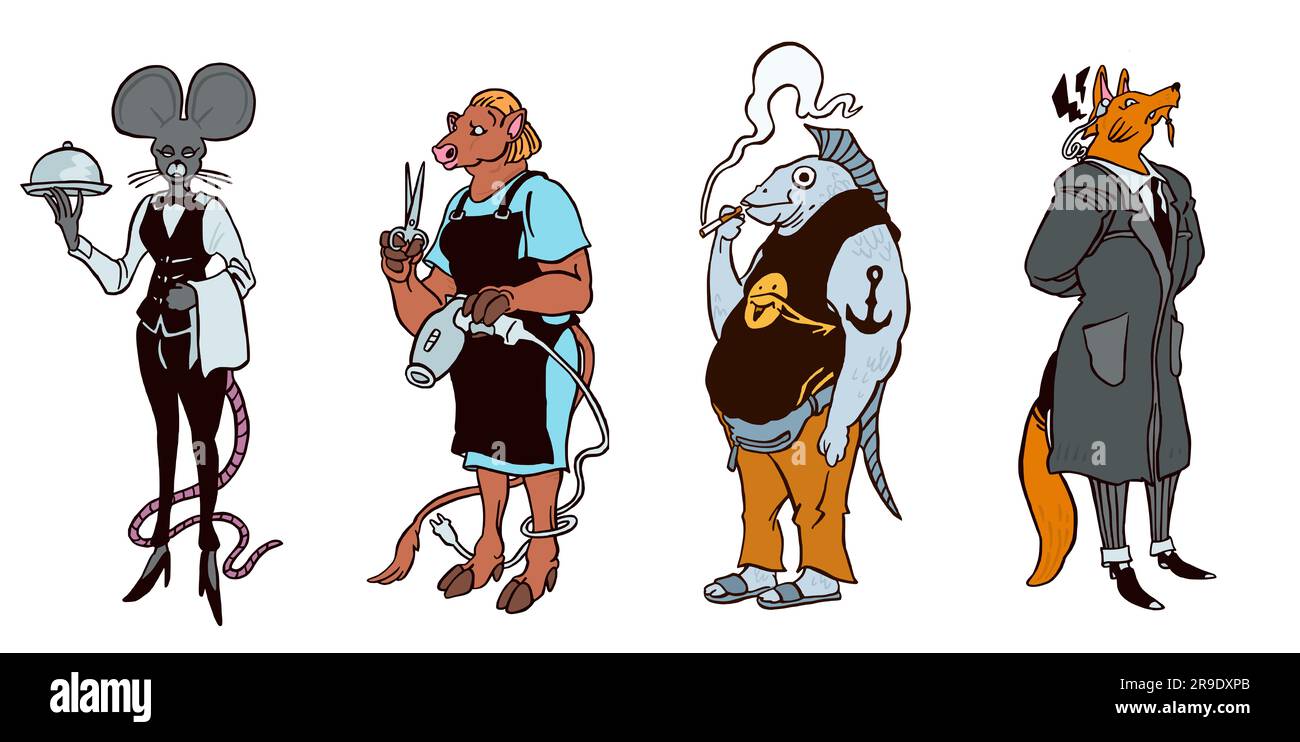
There is also the risk of anthropomorphism reinforcing stereotypes. When animals are consistently depicted as embodying specific traits—foxes as cunning, bears as strong, rabbits as timid—the child’s understanding of these creatures becomes a caricature rather than a reflection of their true nature. This can extend to human characters as well, where cultural or racial traits are reduced to simplistic, personified archetypes. The challenge for writers and educators is to use anthropomorphism as a tool for expansion, not confinement. The best stories are those that acknowledge the complexity of their characters, whether they have fur, feathers, or none of the above.
The Future of Anthropomorphism: A Bridge to Artificial Intelligence and Beyond
As technology advances and artificial intelligence becomes more integrated into daily life, anthropomorphism is taking on new dimensions. Children growing up in an era of voice-activated assistants and robot pets are already forming emotional attachments to non-human entities. This raises fascinating questions about the future of empathy and connection. Will children who grow up interacting with AI that speaks in human-like tones develop a different kind of emotional intelligence? Will their capacity for empathy extend to machines, blurring the lines between the organic and the synthetic?
Anthropomorphism in children’s literature may well serve as a training ground for this future. Stories that explore the ethics of creating life, the responsibilities of guardianship, or the loneliness of isolation can prepare children for the moral complexities of a world where the boundaries between human and machine are increasingly porous. The same cognitive tools that allow a child to empathize with a talking bear may one day help them navigate relationships with AI companions. In this sense, anthropomorphism is not just a relic of folklore—it is a compass, pointing toward the evolving landscape of human connection.
The power of anthropomorphism in children’s literature lies in its ability to transform the abstract into the tangible, the unknown into the familiar, and the distant into the immediate. It is a psychological toolkit, a moral compass, and an identity crucible all rolled into one. But perhaps its greatest magic is this: it reminds children that they are not alone in their struggles, their joys, or their quests for meaning. Whether the companion is a fox, a teapot, or a sentient star, the message is the same—you are seen, you are understood, and you are part of something greater than yourself.