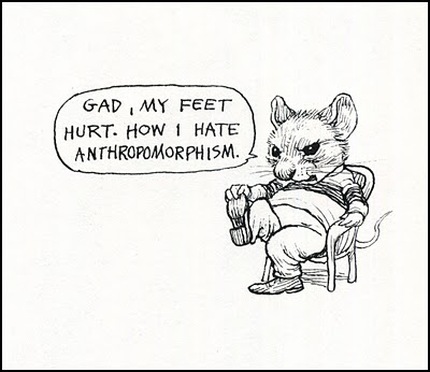
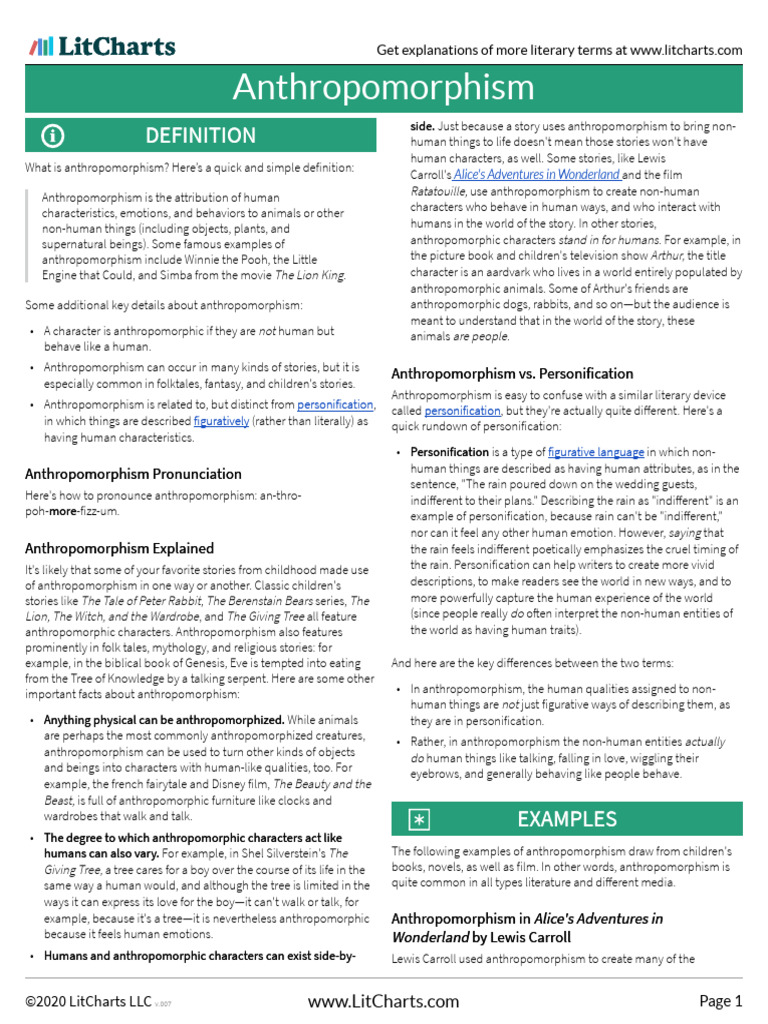
In the enchanted realm of children’s literature, anthropomorphic characters—those captivating beings who blend human traits with animal, object, or fantastical qualities—serve as bridges between the mundane and the magical. These characters are not merely decorative; they are vessels of metaphor, embodying complex emotions, moral dilemmas, and societal critiques in ways that resonate deeply with young readers. From the mischievous to the heroic, the whimsical to the profound, anthropomorphic characters invite children to explore the world through lenses of empathy, curiosity, and imagination. Their unique appeal lies in their ability to distill abstract concepts into tangible, relatable forms, making them indispensable to the fabric of children’s storytelling.
The Allure of the Animal Kingdom: Where Instinct Meets Intellect
When a fox dons a waistcoat or a bear wields a magnifying glass, the transformation is more than skin-deep. Anthropomorphic animals, in particular, occupy a sacred space in children’s literature, where their animalistic instincts clash with human-like reasoning, creating a dynamic tension that fuels narrative depth. Consider the cunning yet charismatic Reynard the Fox, whose medieval tales of trickery and wit have endured for centuries. His anthropomorphic guise allows children to grapple with the duality of nature and nurture—is he a villain because of his instincts, or a hero because of his ingenuity? This ambiguity fosters critical thinking, as young readers learn to question stereotypes and embrace complexity.
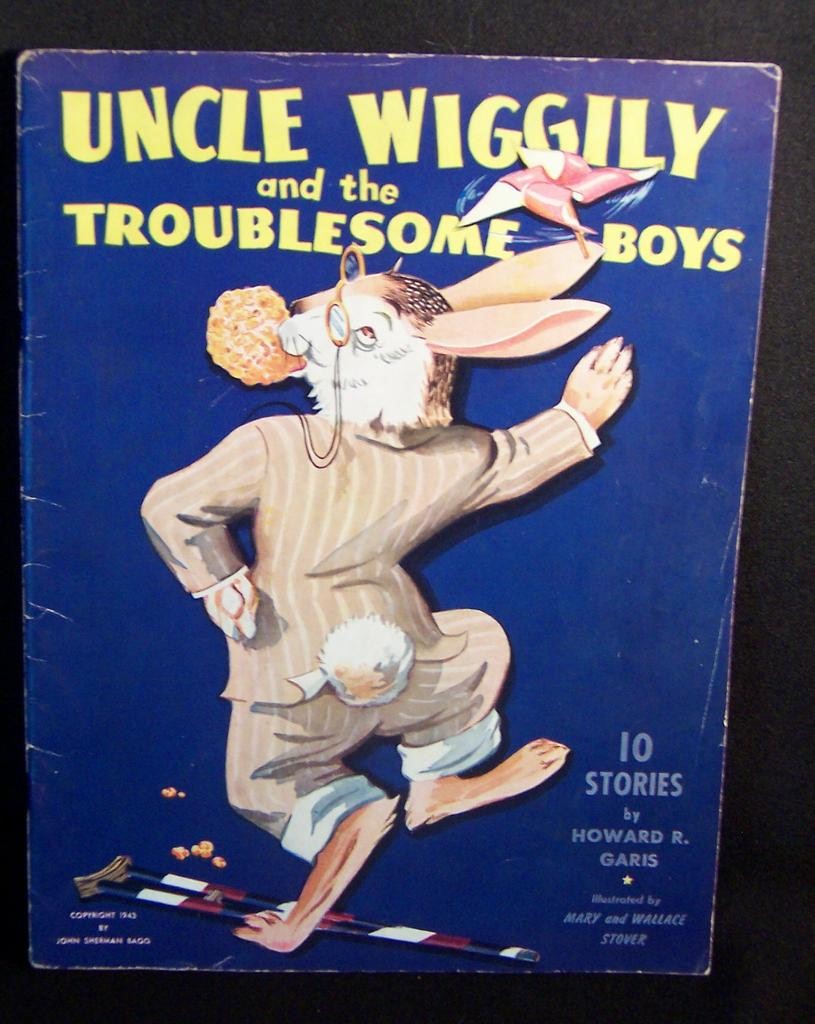
The appeal extends beyond traditional folklore. Modern classics like Watership Down’s Hazel and Fiver, though not strictly children’s books, demonstrate how anthropomorphic rabbits can mirror human societies, complete with politics, war, and existential dread. For younger audiences, characters like Beatrix Potter’s Peter Rabbit blend gentle humor with subtle life lessons, teaching responsibility and consequence through the misadventures of a mischievous lagomorph. These stories transform the natural world into a stage where every rustle in the bushes becomes a potential lesson in vigilance—or folly.


Objects with Agency: The Poetry of the Inanimate
Not all anthropomorphic characters are animals. Some are objects—teapots that sing, candlesticks that dance, or teacups that harbor secrets. The magic of these characters lies in their ability to personify the inanimate, imbuing everyday items with personality and purpose. The Brave Little Toaster, for instance, is a tale of loyalty and self-discovery, where a group of household appliances embark on a journey to reunite with their owner. Their anthropomorphism transforms the mundane act of household chores into an epic odyssey, teaching children about perseverance and the value of found family.
This trope reaches its zenith in The Velveteen Rabbit, where a stuffed toy’s journey to becoming “real” through love and sacrifice is a metaphor for the transformative power of human connection. The rabbit’s struggle—worn, discarded, and ultimately cherished—mirrors the universal human desire to belong. By anthropomorphizing an object, the story elevates the ordinary to the extraordinary, reminding children that even the most overlooked things possess intrinsic worth.
The genre also thrives in the whimsical world of Toy Story, where toys come to life when humans aren’t looking. Here, the anthropomorphism serves a dual purpose: it reflects the secret lives of children’s playthings, but also explores themes of abandonment, identity, and the fear of obsolescence. Woody’s existential crisis—am I still relevant?—resonates with anyone who has ever outgrown a beloved possession, making the story a poignant exploration of change and growth.
Fantastical Hybrids: When Myth Meets Modernity
Beyond animals and objects, anthropomorphic characters often take the form of fantastical hybrids—dragons with human hearts, mermaids with human voices, or talking trees with ancient wisdom. These beings blur the line between the real and the imaginary, offering children a gateway to explore themes of identity, diversity, and the unknown. The Little Mermaid’s Ariel, for instance, embodies the universal longing to belong to two worlds, while her struggle with sacrifice and transformation mirrors the trials of adolescence. Her fish tail is not just a physical trait; it’s a metaphor for the barriers that separate us, and the courage required to bridge them.
In How to Train Your Dragon, the dragons are not mere beasts but complex creatures with their own cultures, languages, and emotions. Hiccup’s bond with Toothless transcends the human-animal divide, illustrating how empathy and understanding can dissolve even the most entrenched prejudices. The story’s anthropomorphism serves as a gentle critique of fear-mongering and xenophobia, teaching children that the “other” is often a reflection of ourselves.
Even in darker tales like Coraline, the anthropomorphic Other Mother is a chilling embodiment of parental control and the fear of being consumed by love. Her button eyes and elongated fingers are not just grotesque; they are a visual representation of the suffocating nature of unchecked affection. Through her, children confront the duality of love—its warmth and its potential to become a cage.
The Moral Compass: Lessons Wrapped in Whimsy
Anthropomorphic characters are not just entertainers; they are educators. By embodying virtues and vices in tangible forms, they distill moral lessons into digestible narratives. The Lorax’s Dr. Seuss masterfully uses the Once-ler—a faceless, greedy industrialist—to critique environmental destruction, while the titular Lorax, a small orange creature with a unibrow, speaks for the voiceless trees. The anthropomorphism here is a tool for activism, teaching children that even the smallest voices can spark change.
Similarly, Charlotte’s Web transforms the barnyard into a stage for life and death, friendship and sacrifice. Charlotte, the wise and gentle spider, weaves her web not just to save Wilbur the pig, but to teach children about the fragility of existence and the power of selflessness. Her words—“It is not often that someone comes along who is a true friend and a good writer”—are a testament to the enduring impact of kindness.
The moral lessons embedded in anthropomorphic stories often resonate more deeply because they are delivered through characters who are, at their core, “other.” This otherness allows children to observe human behaviors from a distance, making it easier to recognize and reflect on their own actions. Whether it’s the greed of The Grinch or the bravery of Pippi Longstocking, these characters become mirrors in which young readers see themselves—and the world—more clearly.
The Timeless Appeal: Why We Keep Coming Back
The enduring popularity of anthropomorphic characters in children’s literature can be attributed to their versatility. They adapt to every era, reflecting the cultural anxieties and aspirations of their time. In the 19th century, Alice in Wonderland’s Cheshire Cat and Mad Hatter were manifestations of the absurdity and chaos of industrialization. In the 20th century, Winnie the Pooh became a symbol of simplicity and mindfulness in an increasingly complex world. Today, characters like Pigeon from Mo Willems’ books embody the frustrations and joys of childhood in a digital age.
Moreover, anthropomorphic characters possess a universality that transcends language and culture. A child in Tokyo can empathize with a bear who loves honey just as readily as a child in Buenos Aires can relate to a fox who outsmarts a hunter. This cross-cultural resonance is a testament to the power of metaphor—when a character is stripped of human form, their essence becomes a shared language.
There is also a psychological comfort in these characters. They allow children to process difficult emotions—fear, loneliness, jealousy—in a safe, controlled environment. A child who struggles with anger might find solace in The Incredible Hulk, where a gentle scientist transforms into a monstrous force of nature, only to be tamed by love. The anthropomorphism here is a catharsis, a way to externalize and confront inner turmoil.
Conclusion: The Alchemy of Anthropomorphism
Anthropomorphic characters are the alchemists of children’s literature, turning the lead of everyday experiences into the gold of imagination. They are more than just talking animals or objects with feelings; they are the embodiment of metaphor, the vessels of moral inquiry, and the mirrors of human nature. In a world where children are bombarded with stimuli, these characters offer a sanctuary of simplicity and depth, where every adventure is a lesson and every quirk is a reflection of something greater.
As long as there are stories to tell, anthropomorphic characters will continue to captivate, challenge, and comfort young readers. They remind us that the world is not just a collection of things and beings, but a tapestry of connections—some visible, some hidden, all waiting to be discovered through the lens of wonder.