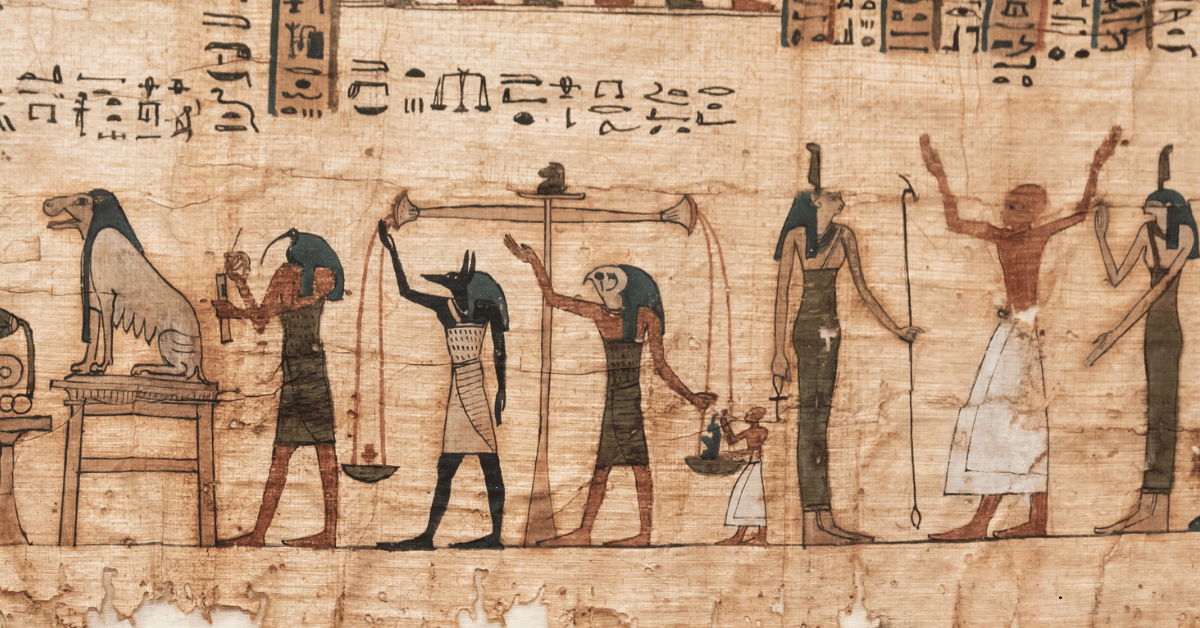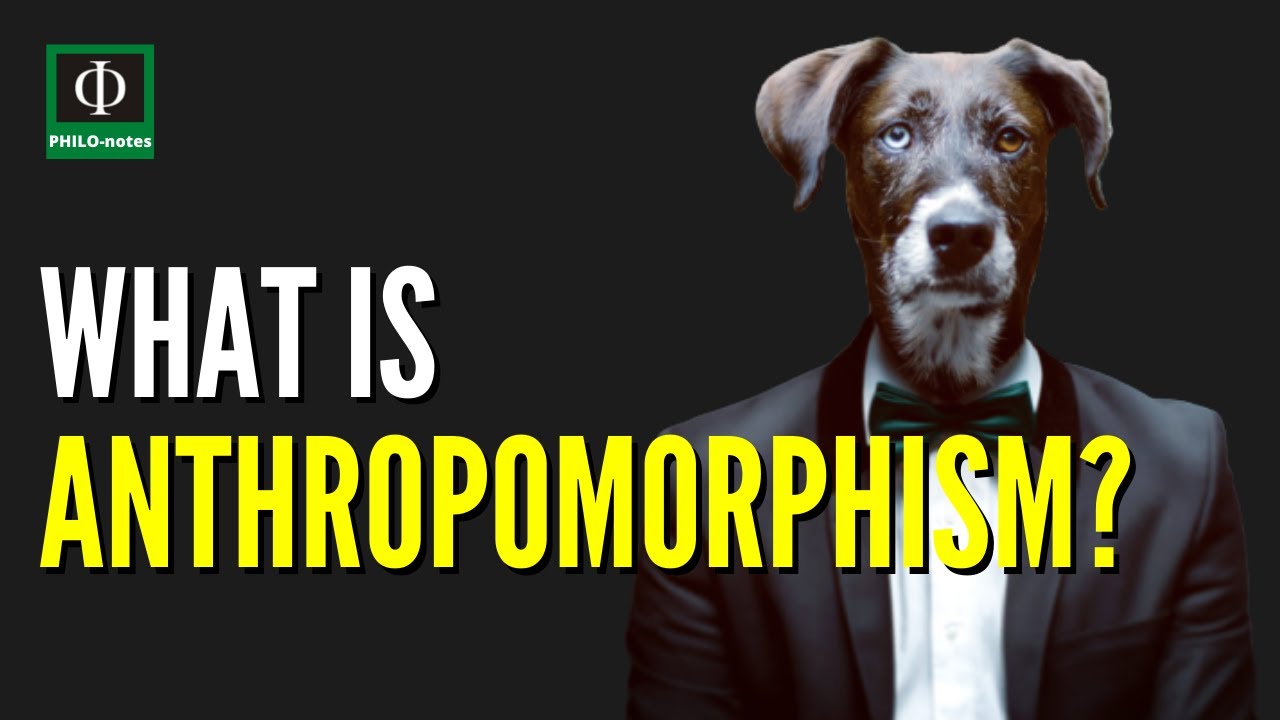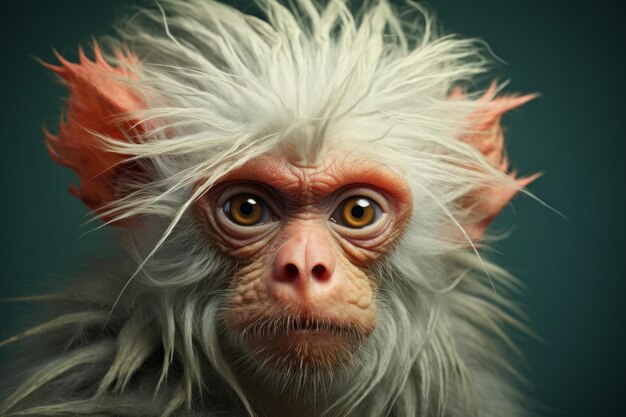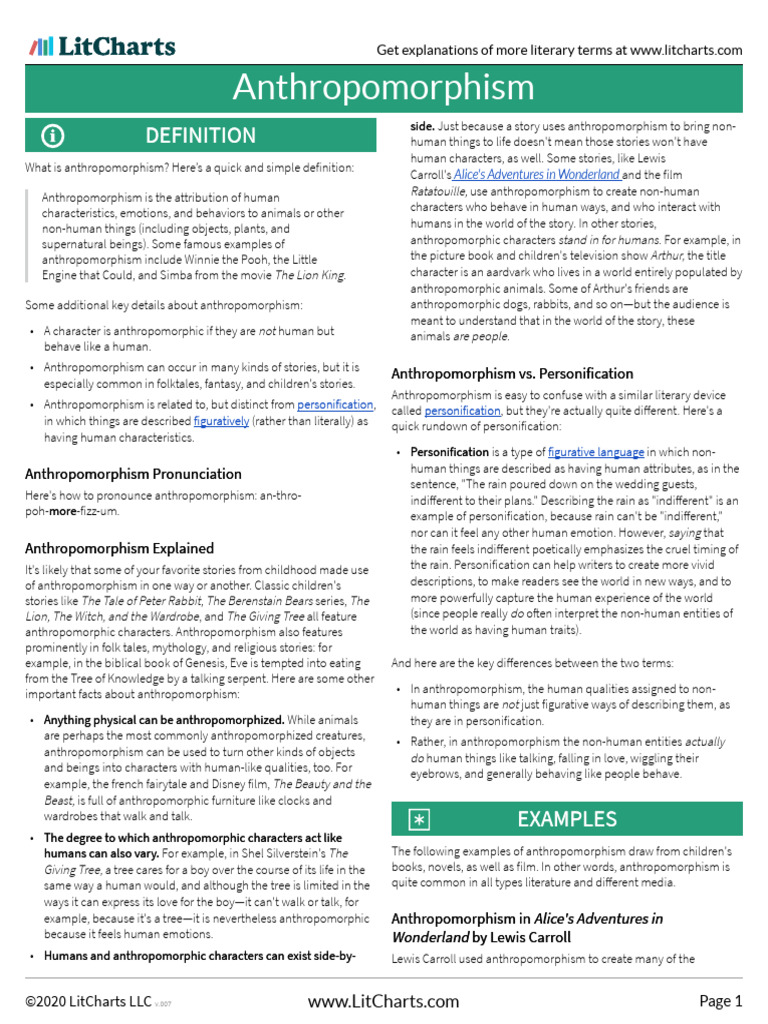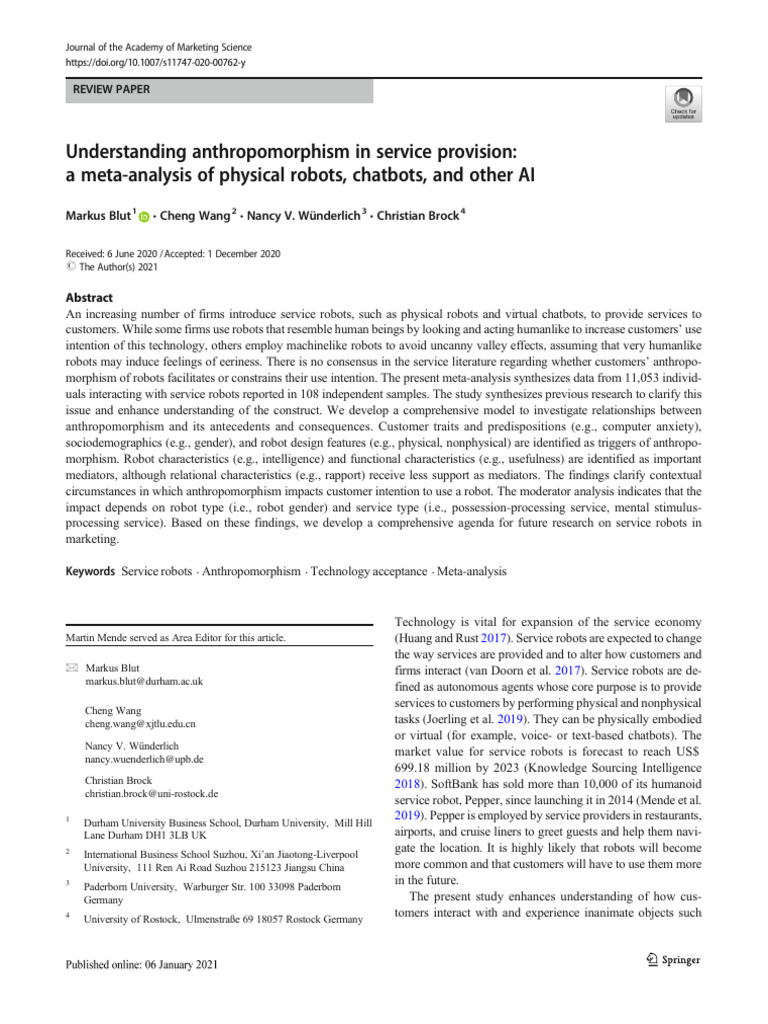
What if the fables we’ve cherished since childhood weren’t just moral tales, but psychological mirrors reflecting our deepest tendencies to see intention in the inanimate? Anthropomorphism—the act of attributing human traits, emotions, or intentions to non-human entities—isn’t just a quirk of folklore; it’s a cognitive cornerstone that shapes how we interact with the world. Nowhere is this phenomenon more vividly illustrated than in the timeless works of Aesop, where animals, objects, and even natural forces don’t merely speak—they *think*, *scheme*, and *moralize*. But what does this say about us? And why does Aesop’s world feel so eerily familiar, as if the fox in *The Fox and the Grapes* is less a character and more a reflection of our own rationalizations?
The Cognitive Roots of Anthropomorphism: Why We See Faces in the Clouds
At its core, anthropomorphism is a survival mechanism. Early humans who perceived agency in rustling bushes or distant shadows were more likely to avoid danger—better to flee from a “lurking predator” that turned out to be the wind than to ignore a potential threat. This hyperactive agency detection, as cognitive scientists call it, wired our brains to seek patterns and intentions where none exist. Aesop’s fables exploit this tendency masterfully. When a tortoise outwits a hare, we don’t just see a race; we witness a psychological drama where perseverance triumphs over arrogance. The animals aren’t just symbols—they’re avatars of our own subconscious conflicts.
Yet this cognitive bias isn’t without its pitfalls. The same mental shortcut that allows us to anthropomorphize can lead to overestimation of control. Ever caught yourself apologizing to a stubborn laptop? That’s your brain’s agency detector firing on all cylinders, desperate to assign blame to something—anything—other than your own frustration. Aesop’s fables, in this light, become more than stories; they’re cautionary tales about the dangers of projecting our own narratives onto the world.

The Moral Theater of Aesop: Where Animals Wear Our Faces
Aesop’s fables are a moral laboratory disguised as entertainment. By casting animals as protagonists, he transforms abstract virtues and vices into vivid, relatable characters. The lion isn’t just strong; he’s tyrannical. The ant isn’t just industrious; she’s a paragon of foresight. But here’s the twist: these characters aren’t just moral exemplars—they’re psychological projections. When the crow drops the cheese to sing to the fox, we don’t just laugh at his vanity; we recognize the moment we’ve all prioritized short-term gratification over long-term gain. The fable becomes a Rorschach test, revealing our own flaws in the guise of a feathered trickster.
This narrative sleight of hand serves a deeper purpose. By externalizing human traits into animal form, Aesop creates a safe space for self-reflection. We can critique the ant’s stinginess or the wolf’s predation without feeling personally attacked. Yet this distance is illusory. The moment we judge the characters, we reveal our own biases. Do we side with the industrious ant or the carefree grasshopper? Our answer betrays our values—and our vulnerabilities. In this way, Aesop’s fables are less about teaching morality and more about exposing the mechanics of our own moral reasoning.
The Challenge of Empathy: When Anthropomorphism Backfires
But what happens when our tendency to anthropomorphize clouds our judgment? Consider the ethical dilemmas posed by modern technology. We name our Roombas and thank our GPS assistants, but does this empathy serve us—or does it obscure the real consequences of our actions? Aesop’s fables, in their simplicity, foreshadow this tension. When the town mouse scoffs at the country mouse’s humble feast, we see the folly of equating material wealth with happiness. Yet in an era of consumerism, we often fall into the same trap, anthropomorphizing brands and products as if they were sentient beings capable of fulfilling our emotional needs.
This challenge extends to our relationship with nature. When we anthropomorphize ecosystems—imagining the “wrath” of a storm or the “kindness” of a tree—we risk oversimplifying complex systems. Aesop’s fables, with their clear moral lines, make this pitfall visible. The fox doesn’t “deserve” the grapes because they’re sour; the sourness is a neutral fact. Yet in our anthropocentric world, we often conflate our perceptions with reality, leading to misplaced guilt, misdirected blame, or even environmental neglect. The fables remind us that while empathy is a powerful tool, it must be tempered with discernment.
The Psychological Payoff: Why Aesop’s Fables Still Resonate
So why do Aesop’s stories endure, millennia after they were first told? Because they tap into a fundamental human need: the desire to understand ourselves through the lens of others. When the dog in *The Dog and His Reflection* drops his bone to snatch at its shadow, we don’t just see a cautionary tale about greed—we see a mirror held up to our own impulsive decisions. The fables are psychological Rube Goldberg machines, where each character’s flaw triggers a chain reaction of consequences, forcing us to confront the domino effect of our own choices.
Moreover, Aesop’s anthropomorphic world is a playground for cognitive flexibility. By presenting human traits in animal form, he invites us to adopt new perspectives. The tortoise’s slow and steady approach isn’t just a lesson in perseverance; it’s a reminder that different cognitive styles—intuitive vs. analytical, impulsive vs. deliberate—can each have their place. In a world that often valorizes speed and efficiency, the tortoise’s victory is a subversive act of defiance.
Yet the fables’ enduring appeal also lies in their ambiguity. Is the grasshopper in *The Ant and the Grasshopper* a carefree hedonist or a victim of societal neglect? The answer depends on the lens we apply—and that’s the point. Aesop doesn’t prescribe morality; he presents scenarios that force us to grapple with it. In doing so, he turns anthropomorphism from a cognitive shortcut into a tool for introspection.
The Modern Aesop: Anthropomorphism in Branding and Design
Fast-forward to the 21st century, and Aesop’s anthropomorphic playbook is alive and well in branding and design. Consider the mascot of a household cleaning product—a cheerful, anthropomorphized scrub brush with a face. Why? Because we’re more likely to trust and engage with entities that seem to share our emotions. Brands leverage this tendency to create emotional connections, turning inanimate objects into relatable characters. Yet this strategy isn’t without its ethical gray areas. When a fast-food chain anthropomorphizes its mascot—a grinning clown, for instance—does it obscure the real-world consequences of its products?
Designers, too, exploit anthropomorphism to make technology more intuitive. Voice assistants with names and personalities aren’t just functional; they’re psychological crutches, easing our transition into an increasingly automated world. But here’s the paradox: while these designs make our lives easier, they also reinforce the illusion that machines understand us. Aesop’s fables serve as a cautionary tale in this context. The moment we anthropomorphize our tools, we risk forgetting that they are, in fact, tools—and that our agency lies in how we use them.
The Unanswered Question: Can We Outgrow Anthropomorphism?
As we stand on the precipice of an era dominated by artificial intelligence and synthetic biology, the question of anthropomorphism takes on new urgency. Will we continue to project human traits onto machines, or will we develop the cognitive discipline to see them for what they are? Aesop’s fables, with their timeless wisdom, suggest that the answer lies not in rejecting anthropomorphism outright, but in using it as a lens—not a crutch. The fox’s vanity and the ant’s diligence aren’t just lessons for children; they’re reminders that our tendency to see ourselves in everything is both a gift and a trap.
Perhaps the ultimate irony is that Aesop, a storyteller who lived over two millennia ago, understood this better than most. His fables are not just about animals talking; they’re about the stories we tell ourselves to make sense of a world that often feels indifferent. In anthropomorphizing the inanimate, we don’t just reveal our flaws—we reveal our humanity. And that, in the end, may be the most enduring lesson of all.