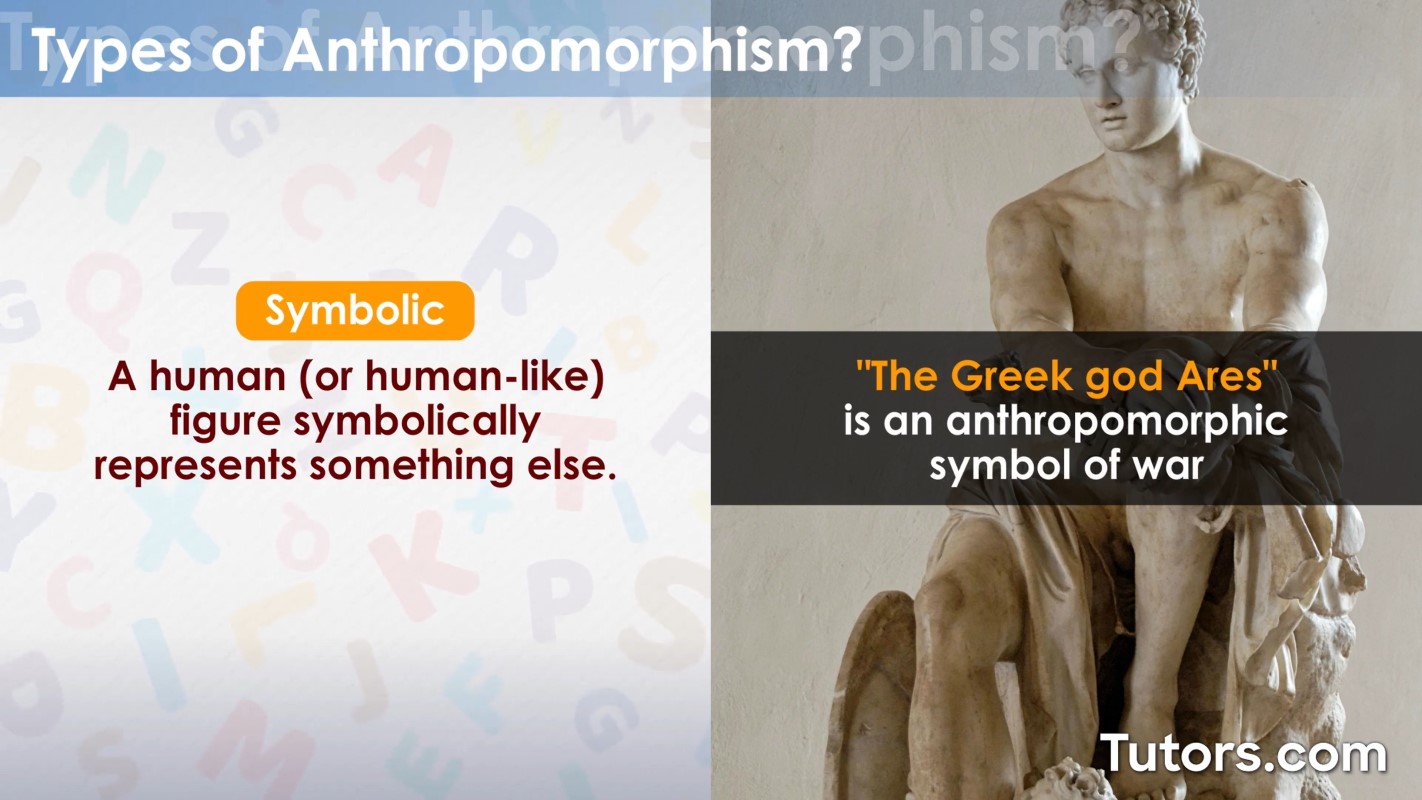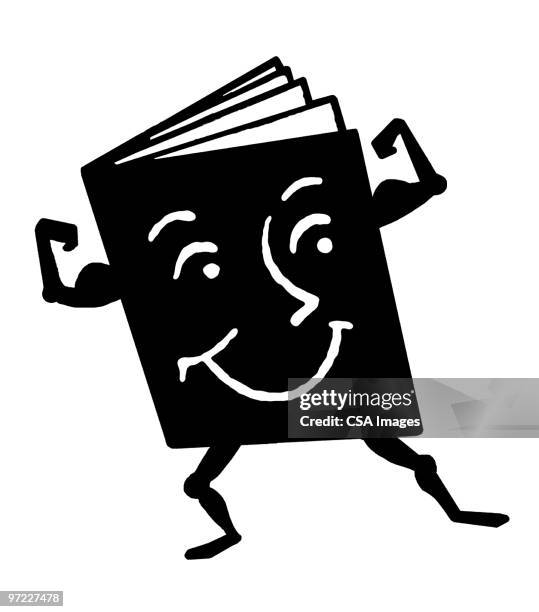
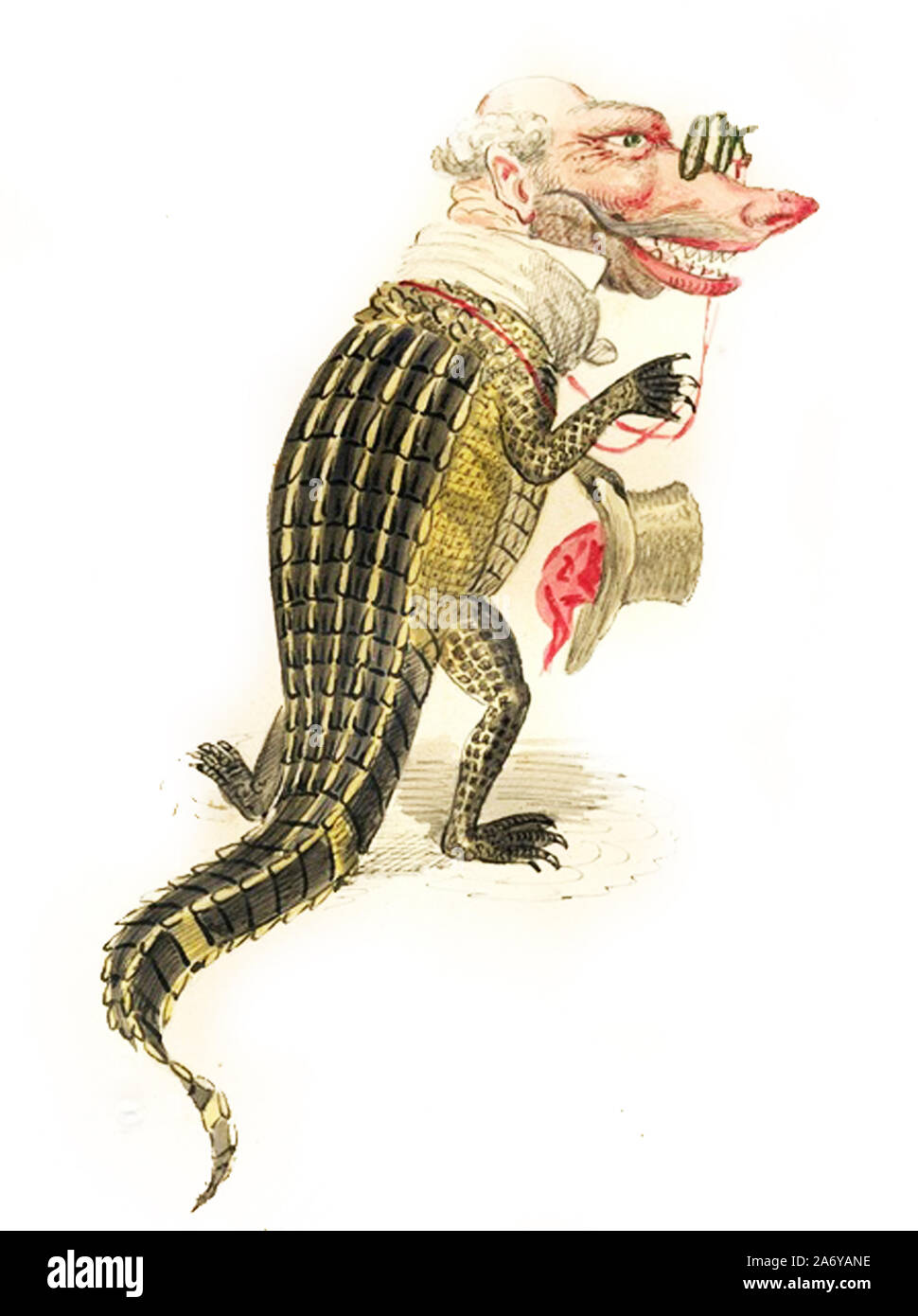
Classic novels often weave intricate layers of meaning into their narratives, and one of the most compelling techniques is the use of anthropomorphic characters—beings that embody human traits while retaining non-human forms. These characters serve as vessels for exploring profound themes, from morality and society to the human condition itself. By endowing animals, objects, or even abstract concepts with human-like qualities, authors craft allegories that resonate across generations. Whether as cunning foxes, wise owls, or enchanted books, anthropomorphic figures invite readers to see the world through a lens that is both familiar and fantastical, revealing truths that might otherwise remain obscured.
The Moral Compass: Animals as Mirrors of Human Virtues and Vices
In the realm of classic literature, animals frequently assume roles that reflect humanity’s ethical struggles. Take, for instance, the sly fox, a recurring archetype that embodies both intelligence and deceit. In Reynard the Fox, a medieval beast epic, the titular character’s escapades expose the fragility of trust and the consequences of unchecked ambition. The fox’s anthropomorphic cunning serves as a cautionary tale, illustrating how human flaws—greed, manipulation, and self-interest—can distort even the most innocent interactions. Similarly, in The Wind in the Willows, Kenneth Grahame’s Mr. Toad represents the perils of reckless indulgence, his manic enthusiasm for motorcars mirroring society’s own obsession with progress at the expense of stability.
Conversely, animals can also embody virtues that humans often strive to attain. Aardvarks in The Chronicles of Narnia serve as steadfast guardians, their quiet strength symbolizing resilience in the face of adversity. These characters act as moral compasses, guiding protagonists—and readers—toward introspection. Their non-human forms paradoxically make their humanity more palpable, stripping away societal pretenses to reveal raw, unfiltered truths about integrity and courage.
Objects with Agency: The Enchantment of Inanimate Anthropomorphism
Beyond animals, classic novels often imbue inanimate objects with sentience, transforming them into vessels of wisdom, prophecy, or even rebellion. Consider the sentient candlesticks in Beauty and the Beast, whose loyalty and wit humanize the enchanted castle’s atmosphere. These objects, though bound by magical constraints, reflect the emotional arcs of the human characters, their anthropomorphic traits amplifying the story’s themes of transformation and redemption. Their very existence challenges the notion of passivity, asserting that even the most mundane items possess a latent power to influence human fate.
In The Velveteen Rabbit, the titular toy’s journey toward becoming “real” through love and sacrifice underscores the ephemeral nature of human connections. The rabbit’s anthropomorphism—its ability to feel, desire, and suffer—elevates it from a mere plaything to a poignant symbol of authenticity. Such narratives remind readers that agency is not the sole domain of flesh and blood; objects, too, can embody the struggles and triumphs of the human experience. This blurring of boundaries between the animate and inanimate invites a reconsideration of what it means to exist, to matter, and to be remembered.
Societal Satire: Anthropomorphism as a Lens for Critique
Satirical novels frequently employ anthropomorphic characters to skewer societal norms, exposing hypocrisy and injustice with unflinching clarity. Animal Farm by George Orwell is a masterclass in this technique, where pigs, horses, and sheep personify the corruption of power and the betrayal of revolutionary ideals. The animals’ human-like hierarchies and political machinations lay bare the cyclical nature of oppression, their fates mirroring historical events with chilling precision. By cloaking real-world issues in allegory, Orwell transforms abstract concepts like totalitarianism and propaganda into visceral, relatable narratives.
Similarly, The Master and Margarita by Mikhail Bulgakov uses a talking cat, a witch, and a talking head to dissect the absurdities of Soviet bureaucracy and artistic censorship. The supernatural elements serve as a Trojan horse, smuggling biting commentary into a story that is as much about the absurdity of human systems as it is about the supernatural. Anthropomorphism, in this context, becomes a tool of subversion, allowing authors to critique power structures while evading direct censorship or backlash.
The Psychological Depth: Exploring the Human Psyche Through Non-Human Forms
Anthropomorphic characters also delve into the recesses of the human psyche, offering a unique vantage point to examine identity, trauma, and transformation. In Alice’s Adventures in Wonderland, the Cheshire Cat’s grinning visage and cryptic wisdom serve as a manifestation of Alice’s own confusion and disorientation. The cat’s ability to shift forms and meanings reflects the fluidity of perception, inviting readers to question the nature of reality itself. Such characters become psychological mirrors, reflecting the inner turmoil of protagonists and, by extension, the readers themselves.
In The Metamorphosis by Franz Kafka, Gregor Samsa’s transformation into a giant insect is a visceral exploration of alienation and dehumanization. While not traditionally anthropomorphic in the sense of animals or objects, the story’s core lies in the tension between Gregor’s human consciousness and his monstrous form. This duality forces readers to confront the fragility of identity and the societal constructs that define personhood. Anthropomorphism, in this case, becomes a metaphor for the existential dread of losing one’s humanity—a theme that resonates deeply in an era of increasing detachment and digital personas.
Cultural and Historical Echoes: Anthropomorphism as a Reflection of Era
The symbolism of anthropomorphic characters is deeply intertwined with the cultural and historical contexts in which they emerge. Medieval bestiaries, for example, used animals to represent moral lessons, reflecting the religious and philosophical preoccupations of the time. The lion, often depicted as noble and just, embodied Christ-like qualities, while the serpent symbolized temptation and sin. These allegories were not merely decorative; they were pedagogical tools, designed to instruct and edify in an era where literacy was a privilege.
In the Romantic era, anthropomorphism took on a more whimsical and emotional hue. Works like Peter Rabbit by Beatrix Potter and The Tale of Peter Rabbit used animals to explore themes of childhood innocence and the natural world’s beauty. The anthropomorphic characters here were less about moral instruction and more about evoking a sense of wonder and nostalgia. This shift mirrored the era’s fascination with the sublime and the pastoral, where nature itself was imbued with a kind of sentience that resonated with human emotions.
Contemporary retellings, such as The Once and Future Witches by Alix E. Harrow, continue to leverage anthropomorphism to address modern concerns like gender, power, and environmentalism. By reimagining witches as both human and animalistic, Harrow crafts a narrative that critiques patriarchal structures while celebrating female agency. The fusion of old and new forms of anthropomorphism demonstrates its enduring relevance, proving that these characters are not relics of the past but living, evolving symbols.
Why Anthropomorphism Endures: The Universal Language of Symbolism
The enduring appeal of anthropomorphic characters lies in their ability to transcend linguistic and cultural barriers. They speak a universal language, one that taps into archetypal fears, desires, and aspirations. Whether through the cunning fox, the wise owl, or the enchanted book, these characters distill complex ideas into tangible, relatable forms. They allow readers to engage with abstract concepts—justice, greed, love—on a visceral level, bypassing the need for lengthy exposition.
Moreover, anthropomorphism fosters empathy by bridging the gap between the familiar and the unfamiliar. A child reading The Wind in the Willows may not fully grasp the nuances of rural life in Edwardian England, but they can certainly relate to Toad’s impulsive nature or Mole’s quiet longing for adventure. This emotional connection is the hallmark of great storytelling, and anthropomorphic characters are its most potent envoys. They remind us that, beneath the veneer of civilization, we are all, in some way, animals—driven by instinct, shaped by environment, and forever seeking meaning in a world that often feels as enchanted as it does perplexing.