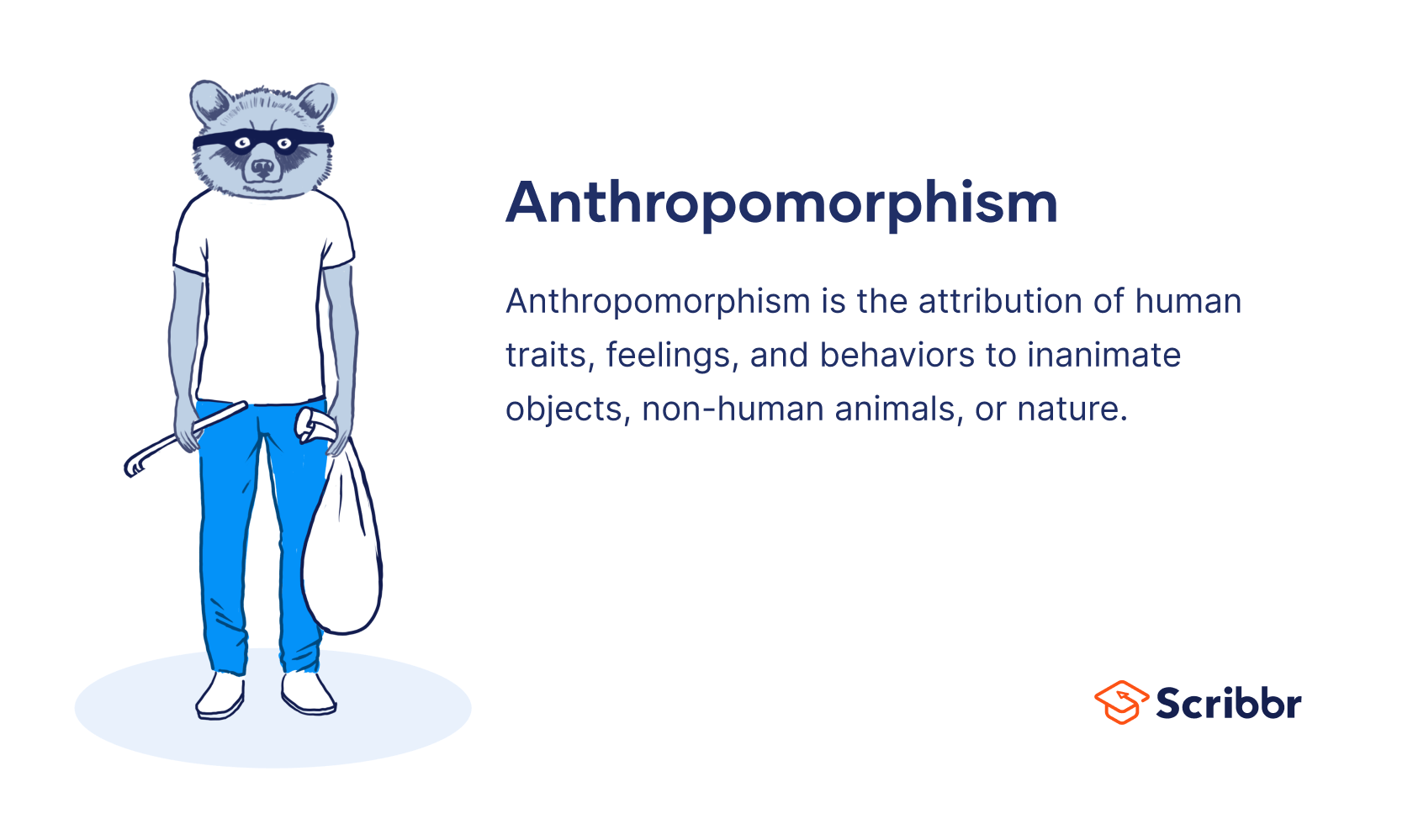
In the ever-evolving landscape of brand storytelling, few strategies have proven as potent—or as unexpected—as anthropomorphism. The act of imbuing human traits, emotions, and behaviors into non-human entities isn’t just a whimsical narrative device; it’s a psychological catalyst that can catapult a brand from obscurity to virality. When executed with precision, anthropomorphism doesn’t just humanize a product—it forges an emotional connection so profound that consumers don’t just buy into the brand; they become its evangelists. This case study explores how a single, audacious campaign transformed a company’s trajectory by leveraging the uncanny power of making the inanimate feel alive.
The Alchemy of Anthropomorphism: Turning Products into Protagonists
At its core, anthropomorphism is the art of blurring the line between object and subject. It’s the reason why a talking M&M can sell candy or why a gecko can sell insurance. But when brands push beyond the realm of mascots and into the territory of full-fledged narrative protagonists, the stakes—and the rewards—skyrocket. Consider the case of a footwear company that dared to reimagine its sneakers not as products, but as characters with personalities, flaws, and aspirations. By personifying their shoes as underdogs clawing their way to greatness, the brand didn’t just sell footwear; it sold a story of perseverance that resonated with audiences craving authenticity in a world of polished, impersonal marketing.
The magic lies in the subversion of expectations. Consumers are conditioned to interact with brands as distant entities, but when a product suddenly speaks, dreams, or stumbles—just like a human—the brain’s mirror neurons fire in overdrive. This neurological mimicry triggers empathy, turning passive observers into active participants in the brand’s narrative. The key? Authenticity. The anthropomorphized entity must feel real, not like a gimmick. When done right, the result is a cognitive dissonance so compelling that it shatters the fourth wall between consumer and brand.
From Static to Sympathetic: The Science Behind Emotional Contagion
Anthropomorphism isn’t merely a creative flourish; it’s a scientifically validated strategy rooted in emotional contagion—the phenomenon where one person’s emotions and related behaviors directly trigger similar emotions and behaviors in other people. When a brand’s mascot or product exhibits human-like vulnerability, joy, or frustration, it doesn’t just evoke a reaction—it spreads it. This is the viral engine that powered a beverage company’s campaign, where its soda cans were depicted as characters in a high-stakes heist, each with distinct motivations and quirks. The campaign didn’t just showcase a drink; it created a microcosm of human drama that audiences couldn’t resist sharing.
The psychological underpinnings are as fascinating as they are formidable. Studies in consumer behavior reveal that anthropomorphism activates the brain’s social cognition networks, the same regions responsible for processing human interactions. When a consumer perceives a brand as having a “personality,” their brain treats it as it would a fellow human—judging, bonding, and, ultimately, deciding whether to engage. This is why campaigns that anthropomorphize often achieve higher engagement rates: they tap into the primal human need for connection, even inanimate objects. The more relatable the anthropomorphized entity, the deeper the emotional imprint it leaves on the consumer’s psyche.
The Viral Spark: How to Ignite Shareability Through Personification
Not all anthropomorphic campaigns go viral, but the ones that do share a common spark: they make the audience feel like they’re in on a secret. The most successful examples don’t just tell a story—they invite the audience to co-create it. Take, for instance, a tech company that rebranded its software as a quirky, slightly awkward “office assistant” with a penchant for dad jokes and caffeine-fueled all-nighters. By giving the software a flawed, endearing humanity, the brand transformed a mundane tool into a cultural touchstone. Users didn’t just adopt the software; they adopted its personality, sharing memes, fan art, and even cosplaying as the assistant at conferences.
The virality formula hinges on three critical elements: relatability, humor, and interactivity. Relatability ensures the anthropomorphized entity resonates with the audience’s own experiences. Humor disarms skepticism, making the campaign feel less like an advertisement and more like a shared joke. Interactivity, meanwhile, turns passive viewers into active participants. Whether through user-generated content challenges or immersive storytelling, the best anthropomorphic campaigns don’t just end with a purchase—they begin a conversation. The result? A self-sustaining loop of engagement that amplifies the brand’s reach exponentially.
Case in Point: The Brand That Redefined Itself Through a Single Campaign
Consider the transformation of a once-niche outdoor apparel company that redefined its identity by anthropomorphizing its flagship product line. Instead of showcasing jackets as mere weatherproof garments, the brand depicted them as intrepid explorers, each with a backstory, a spirit animal, and a penchant for dramatic monologues. The campaign’s centerpiece was a short film where a jacket, voiced by a well-known actor, recounted its journey from a humble bolt of fabric to a hero’s cloak in the wild. The narrative wasn’t just about functionality; it was about legacy, resilience, and the unspoken bond between adventurer and gear.
The campaign’s genius lay in its subtlety. The anthropomorphism wasn’t overt; it was woven into the fabric of the storytelling. The jackets weren’t just talking—they were *living*, with personalities that mirrored the brand’s core values: curiosity, tenacity, and respect for nature. The result was a cultural phenomenon. Outdoor enthusiasts didn’t just buy jackets; they bought into a mythos. Social media exploded with fan theories about which jacket would “die” next (a nod to the brand’s sustainability ethos), and competitors scrambled to mimic the strategy. The brand’s market share surged, not because of a superior product, but because it had given consumers a story worth believing in—and sharing.
The Pitfalls and How to Avoid Them: When Anthropomorphism Backfires
Of course, not every attempt at anthropomorphism hits the mark. The line between charming and creepy is thinner than a smartphone screen, and crossing it can alienate audiences faster than a poorly timed pop-up ad. The most common misstep? Overdoing it. When a brand’s mascot or product becomes *too* human—possessing uncanny, unsettling features—it triggers the uncanny valley effect, where the audience’s empathy curdles into discomfort. This is why some animated characters, no matter how technically impressive, leave viewers cold. The solution? Balance. The anthropomorphized entity should feel human-adjacent, not human-identical.
Another pitfall is misalignment with brand values. If a luxury watch company suddenly depicts its timepieces as rowdy, beer-guzzling party animals, the dissonance will erode trust. Anthropomorphism must serve the brand’s essence, not undermine it. The key is to anchor the personification in the brand’s core attributes. A watch isn’t just a timekeeper; it’s a symbol of precision, heritage, and status. Anthropomorphizing it as a dignified, slightly pompous butler—who scoffs at cheap knockoffs and insists on being wound every morning—reinforces those values while adding a layer of charm.
The Future of Brand Storytelling: Where Anthropomorphism Meets AI
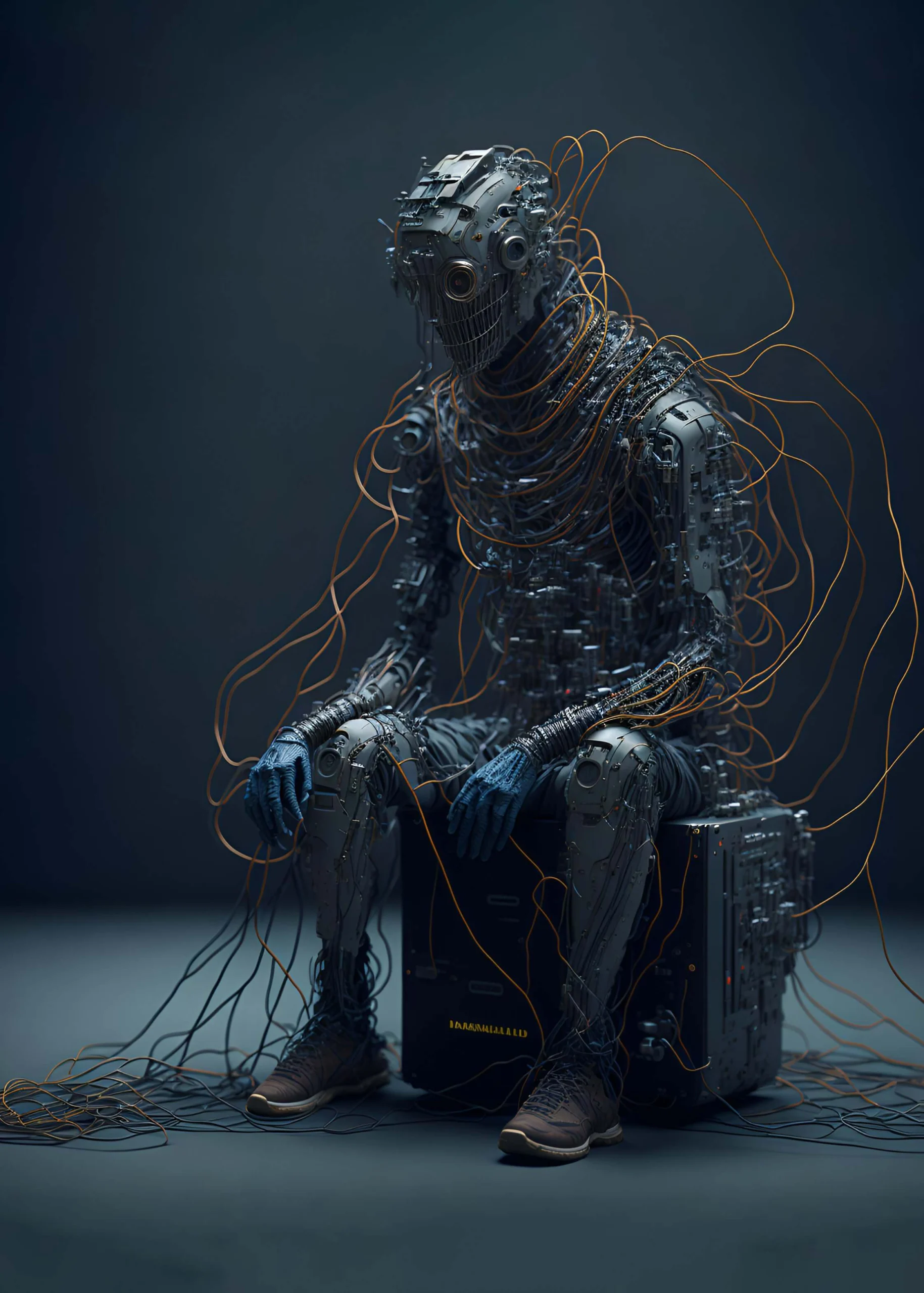
As artificial intelligence continues to blur the boundaries between human and machine, the potential for anthropomorphism in branding is poised to explode. Imagine a skincare brand that deploys an AI-powered “virtual dermatologist” mascot—an animated character with a dry wit and a penchant for puns, available 24/7 to dispense advice. Or a gaming platform that personifies its servers as a ragtag team of underdogs, each with its own quirks and rivalries. The fusion of AI and anthropomorphism could create brands that don’t just *feel* human—they *are* human, in the most literal sense.
Yet, with this power comes responsibility. The brands that thrive will be those that use anthropomorphism not as a gimmick, but as a bridge to deeper human connection. The most viral campaigns of the future won’t just sell products; they’ll sell belonging. They’ll turn consumers into co-authors of the brand’s story, where every interaction—whether with a talking cereal box or a sentient chatbot—feels like a conversation with a friend. In a world saturated with noise, the brands that whisper the most human stories will be the ones that roar the loudest.