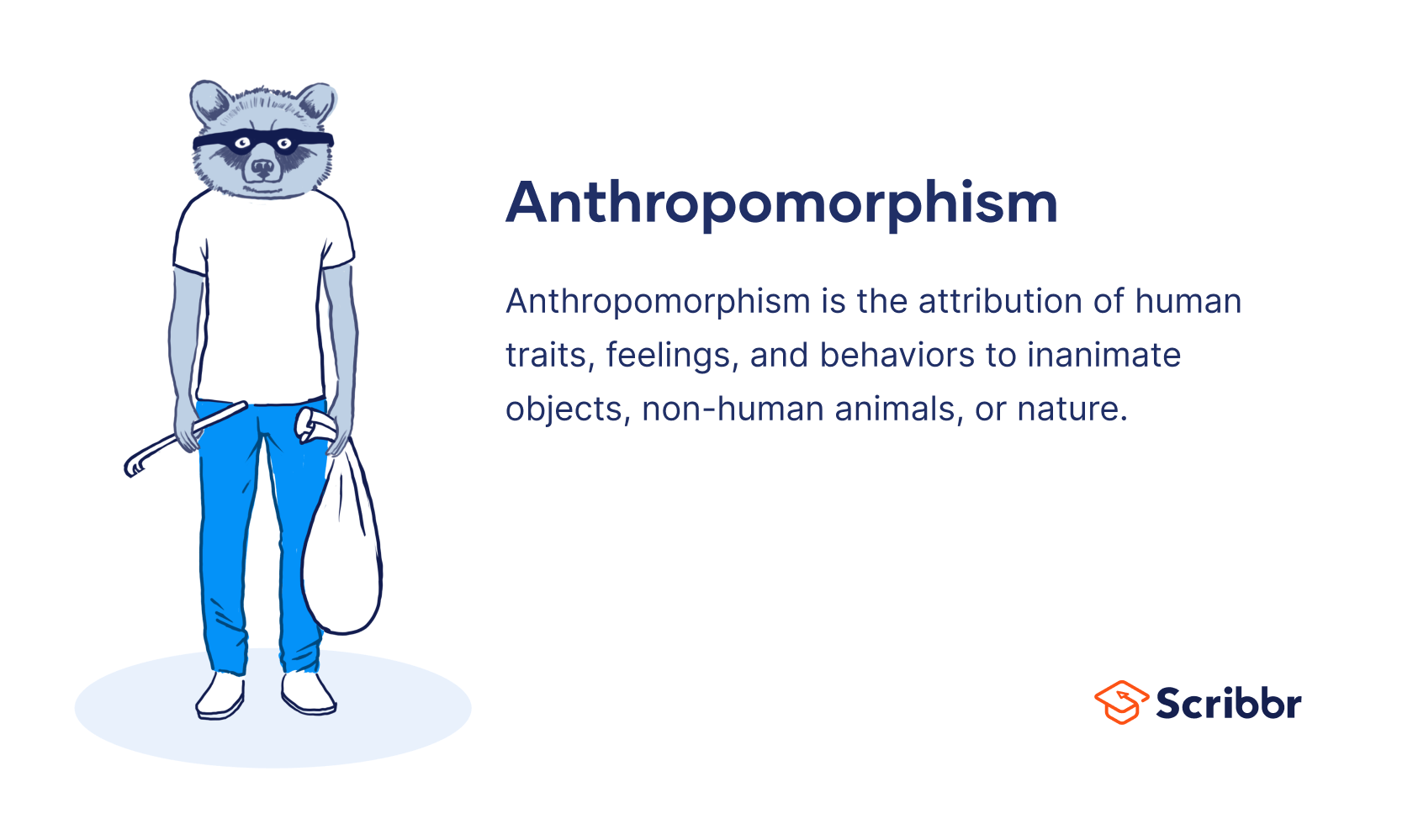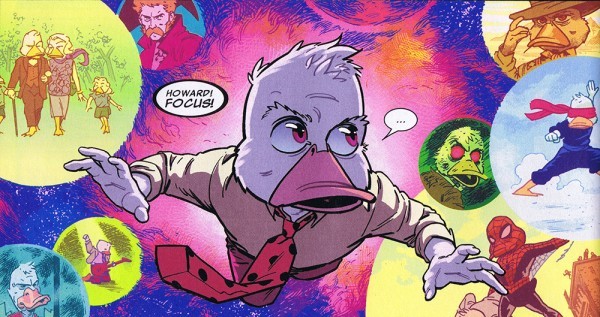
In the cacophony of digital content, where brands clamor for attention, a subtle revolution is unfolding—one that whispers to the human psyche in a language older than words. Anthropomorphism, the art of imbuing non-human entities with human traits, is no longer confined to the fables of childhood or the whims of mythology. It has infiltrated the very fabric of content marketing, transforming bland corporate narratives into compelling, relatable stories. This isn’t just a trend; it’s a paradigm shift, a quiet rebellion against the sterile detachment of traditional marketing. By humanizing brands, marketers are not merely selling products—they’re forging connections, sparking emotions, and redefining the boundaries of engagement. The question isn’t whether anthropomorphism works, but how deeply it can reshape the way we perceive and interact with the brands that surround us.
The Alchemy of Humanizing Brands: Why Anthropomorphism Captivates Audiences
At its core, anthropomorphism is an ancient cognitive shortcut, a survival mechanism that once helped our ancestors navigate a world teeming with unseen forces. Today, it serves a different purpose: it bridges the chasm between the impersonal and the intimate. When a brand adopts human characteristics—personality, emotions, flaws—it ceases to be a faceless entity and becomes a companion in the consumer’s journey. This transformation is not superficial; it’s rooted in neuroscience. Studies show that when we encounter anthropomorphized brands, our brains activate the same regions responsible for social cognition, as if we’re engaging with another person. The result? A surge in trust, loyalty, and even affection. Consider the iconic M&M’s characters or the empathetic voice of a customer service chatbot. These aren’t just marketing gimmicks; they’re psychological bridges that turn transactions into relationships.
Yet, anthropomorphism is not a one-size-fits-all elixir. Its power lies in subtlety. Overdoing it risks veering into the uncanny valley, where a brand’s humanity feels forced or unsettling. The key is balance—infusing just enough personality to resonate without crossing into caricature. A well-crafted anthropomorphic campaign doesn’t shout; it murmurs, inviting the audience to lean in and listen. It’s the difference between a billboard screaming “BUY NOW!” and a story unfolding like a conversation between old friends. When executed thoughtfully, anthropomorphism doesn’t just capture attention—it commands loyalty.
From Myth to Market: The Historical Roots of Brand Anthropomorphism
The roots of anthropomorphism stretch back to the dawn of human civilization, where gods, animals, and natural phenomena were endowed with human motives and emotions. The ancient Egyptians worshipped cats as divine beings; the Greeks personified abstract concepts like Justice and Love. This tendency to humanize the non-human is hardwired into our DNA, a testament to our need for connection and meaning. Fast-forward to the 20th century, and we see this instinct repurposed in advertising. The Jolly Green Giant, Tony the Tiger, and the Michelin Man didn’t just sell vegetables, cereal, or tires—they sold stories, emotions, and identities. These characters weren’t just mascots; they were archetypes, embodying values and aspirations that resonated with their audiences.
Today, anthropomorphism has evolved beyond static characters into dynamic, interactive experiences. Brands are no longer content to be represented by a mascot; they strive to embody a personality. Think of Duolingo’s sassy owl, which doesn’t just teach languages—it entertains, teases, and builds a cult following. Or the way Mailchimp’s Freddie, a tiny, cheerful chimp, transforms an otherwise mundane email marketing tool into a quirky, approachable ally. This evolution reflects a deeper shift in consumer expectations. Audiences no longer want to be talked *at*; they want to be engaged, challenged, and delighted. Anthropomorphism provides the perfect vehicle for this transformation, turning passive consumers into active participants in a brand’s narrative.

The Psychology Behind the Magic: How Anthropomorphism Builds Trust and Loyalty
To understand why anthropomorphism works, we must delve into the psychology of human connection. At its heart, this phenomenon taps into our innate desire for reciprocity and emotional resonance. When a brand exhibits human-like traits—such as humor, empathy, or vulnerability—it triggers a subconscious response: the audience feels seen, understood, and valued. This emotional reciprocity is the bedrock of trust, a currency more valuable than any advertisement. Consider the case of a skincare brand that personifies its products as “skin heroes” battling dryness and dullness. By framing the product as a loyal ally rather than a commodity, the brand transforms a routine purchase into an act of self-care and empowerment.
Moreover, anthropomorphism humanizes the mundane. How many times have you scrolled past a generic ad for a vacuum cleaner, only to pause at a campaign featuring a plucky, determined robot that “fights dirt like a superhero”? The latter doesn’t just sell a product; it sells an identity. It invites the consumer to envision themselves as the hero of their own story, with the brand as their trusty sidekick. This narrative framing is powerful because it aligns with our deep-seated need for meaning and purpose. When a brand becomes a character in our lives, it transcends its functional role and becomes a symbol of our values and aspirations. The result is not just a purchase, but a relationship.
Anthropomorphism in Action: Case Studies of Brands That Nailed the Approach
Some brands have elevated anthropomorphism from a tactic to an art form, weaving it seamlessly into their marketing DNA. Take, for example, the insurance giant GEICO and its iconic gecko. What began as a quirky mascot has evolved into a full-fledged character, complete with a distinct voice, backstory, and even a social media presence. The gecko isn’t just a spokesperson; it’s a cultural icon, embodying the brand’s promise of simplicity and reliability while injecting humor and personality into a notoriously dry industry. Its success lies in its consistency—every interaction with the gecko reinforces the brand’s identity, making GEICO memorable in a sea of forgettable insurance ads.
Another standout is the fast-food chain Wendy’s, which has mastered the art of anthropomorphic wit on social media. With a sassy, no-nonsense tone, Wendy’s Twitter account doesn’t just respond to customers—it engages in playful banter, roasts competitors, and even drops viral memes. This approach humanizes the brand by giving it a distinct, irreverent personality that resonates with younger audiences. The result? A social media presence that feels less like corporate PR and more like a conversation with a witty friend. Wendy’s doesn’t just sell burgers; it sells a vibe, a community, and a shared sense of humor.
Even in the B2B space, anthropomorphism has found a foothold. Take the software company Slack, which personifies its product as a “digital HQ” where teams collaborate like a well-oiled machine. By framing Slack as a living, breathing workspace, the brand transforms a technical tool into a catalyst for human connection and productivity. This approach resonates with businesses that are increasingly prioritizing culture and collaboration, proving that anthropomorphism isn’t just for consumer-facing brands—it’s a universal language of engagement.

The Pitfalls and Perils: When Anthropomorphism Backfires
While anthropomorphism is a potent tool, it’s not without its risks. The most glaring danger is the uncanny valley—the phenomenon where a brand’s attempt at humanity feels so forced or unsettling that it repels rather than attracts. Consider the ill-fated Microsoft Zune, whose anthropomorphic advertising campaigns felt awkward and inauthentic, leaving consumers cold. The lesson? Anthropomorphism must feel organic, not contrived. A brand’s human traits should emerge naturally from its values and mission, not be grafted on as a gimmick.
Another pitfall is over-reliance on stereotypes. If a brand’s anthropomorphic persona leans too heavily on clichés—think a “sexy” car or a “tough” truck—it risks alienating audiences who don’t fit the mold. Authenticity is key. A brand’s personality should reflect its true essence, not a narrow or exclusionary archetype. For example, a fitness brand personified as a relentless drill sergeant might appeal to some, but it could just as easily alienate those who prefer a gentler, more supportive approach. The solution? Diversity in representation, both in the traits a brand embodies and the audiences it seeks to engage.
Finally, there’s the risk of inconsistency. A brand that adopts a playful, irreverent tone on social media but switches to corporate-speak in its advertising creates cognitive dissonance. Audiences crave coherence; they want to know what to expect. The most successful anthropomorphic campaigns maintain a consistent voice across all touchpoints, ensuring that the brand’s personality feels authentic and reliable.
Beyond Mascots: Innovative Ways to Use Anthropomorphism in Content Marketing
Anthropomorphism isn’t limited to mascots or social media personas. It can be woven into every facet of content marketing, from storytelling to experiential campaigns. One innovative approach is to personify abstract concepts or processes. For example, a cybersecurity brand might create a campaign where “Virus” is a mischievous gremlin and “Firewall” is a valiant knight, turning a technical topic into an epic battle. This not only educates but entertains, making complex ideas accessible and memorable.
Another frontier is the use of AI and chatbots. When designed with personality, these tools can become more than just functional assistants—they can be brand ambassadors. Imagine a chatbot that greets users with a warm, witty introduction, or a virtual assistant that “remembers” past interactions and tailors its responses accordingly. This level of personalization fosters a sense of connection, blurring the line between human and machine. The key is to ensure the AI’s personality aligns with the brand’s values, creating a seamless and engaging user experience.
Interactive content offers yet another opportunity. Brands can create choose-your-own-adventure-style stories where the audience’s decisions shape the narrative, or gamified experiences where users “unlock” achievements by engaging with the brand. These formats leverage anthropomorphism by casting the user as the protagonist and the brand as a guide or ally. The result is an immersive experience that feels less like marketing and more like a shared journey.
The Future of Anthropomorphism: Where Do We Go From Here?
The future of anthropomorphism in content marketing is as boundless as human creativity. As technology advances, we can expect even more sophisticated and immersive applications. Virtual reality (VR) and augmented reality (AR) are poised to take anthropomorphism to new heights, allowing brands to create lifelike, interactive characters that exist in the user’s physical space. Imagine trying on virtual clothing through an AR mirror where the brand’s mascot offers styling advice, or attending a VR conference where AI-driven avatars facilitate networking with a human touch. These experiences won’t just sell products; they’ll create memories.
Another exciting frontier is the integration of emotional intelligence into AI. Future chatbots and virtual assistants may not only respond to queries but also detect and adapt to the user’s emotional state, offering empathy and support in real time. This could revolutionize customer service, turning interactions into genuine conversations rather than transactional exchanges. Brands that embrace this level of anthropomorphism will not only stand out but also build unparalleled loyalty.
Yet, as we venture into this brave new world, we must tread carefully. The line between connection and manipulation is thin. Brands that prioritize authenticity over gimmicks, and empathy over exploitation, will thrive. The most successful anthropomorphic campaigns will be those that enrich the user’s life, not just the brand’s bottom line. In the end, anthropomorphism is more than a marketing tactic—it’s a philosophy, a way of seeing the world and the brands that inhabit it. It challenges us to ask: What if the products and services we use every day could be more than tools? What if they could be companions, allies, and friends? The future of content marketing lies in answering that question.