What if your coffee maker could whisper encouragement as it brews your morning cup? What if your fitness tracker celebrated every step like a personal cheerleader? This isn’t science fiction—it’s the subtle magic of anthropomorphism in product design, where inanimate objects don’t just perform tasks; they charm, connect, and convert. By endowing products with human-like traits, designers don’t just sell functionality; they sell emotion, loyalty, and a slice of personality. But can this playful trick backfire when overdone? Let’s explore how anthropomorphism turns everyday gadgets into irresistible companions—and where the line blurs between endearing and eerie.
The Allure of the Human Touch: Why Products Need Faces (Even When They Don’t Have Them)
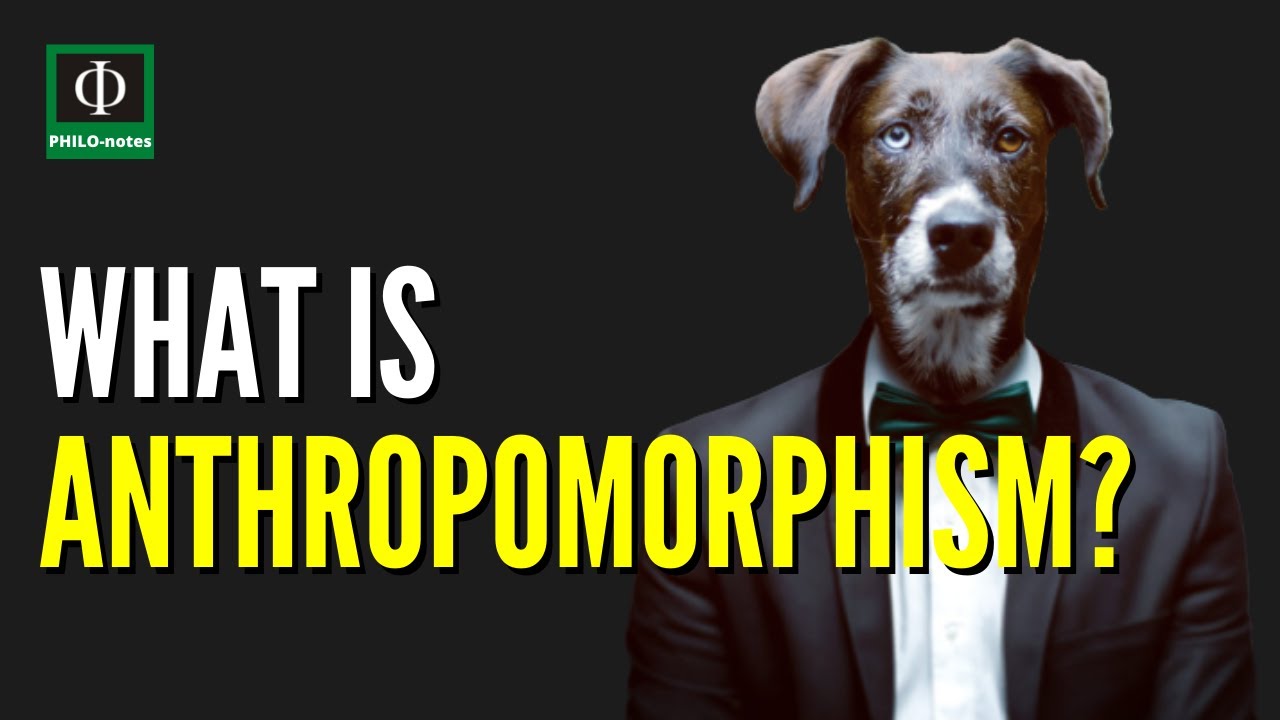
Humans are wired to anthropomorphize. From ancient civilizations worshipping sun gods to children naming their stuffed animals, we crave connection—even with the inanimate. Products that mimic human behavior exploit this instinct, transforming cold interfaces into relatable entities. Consider the humble smart speaker: when Alexa responds with a playful “I’m on it!” or a robot vacuum chirps after completing its route, these auditory cues trigger our social brains. Studies show that users interact with such products more warmly, ascribing intentions, emotions, and even personalities to them.
This phenomenon isn’t limited to voice assistants. Take the Jibo home robot, designed with expressive eyes and fluid movements to feel like a family member. Its anthropomorphic cues—tilting its head, blinking, and even “sleeping” when idle—create a bond that transcends utility. The result? Users report feeling less like they’re using a device and more like they’re engaging with a companion. The lesson is clear: when products adopt human-like behaviors, they stop being tools and start being partners in our daily lives.
From Clicks to Characters: How Designers Humanize Interfaces
Anthropomorphism isn’t just about adding a face or voice—it’s about crafting a personality. Designers achieve this through a trifecta of cues: visual, auditory, and behavioral. Visual anthropomorphism might involve exaggerated facial expressions (think the Twitter bird’s joyful “tweet” animation) or empathetic color palettes (soft blues for calm, warm oranges for energy). Auditory cues, like the Mac startup chime or the Tesla’s playful horn tones, leverage sound to evoke familiarity.
Behavioral anthropomorphism dives deeper, imbuing products with human-like decision-making. The Roomba vacuum, for example, doesn’t just clean—it “navigates” obstacles with a sense of purpose, almost like a diligent janitor. Even error messages can adopt a human touch: instead of a sterile “404 Not Found,” a playful “Oops! We lost this page—let’s find it together” reduces frustration and builds rapport. The key is consistency: a product’s personality must align with its function. A medical device shouldn’t giggle; a children’s toy shouldn’t bark orders. The right tone fosters trust and delight.
The Psychology Behind the Magic: Why We Fall for Fake Personalities
Anthropomorphism taps into deep psychological triggers. The uncanny valley effect—where near-human likeness feels unsettling—proves that we’re finely attuned to subtleties. Yet when done right, these cues exploit our theory of mind, the ability to attribute mental states to others. When a product “seems” to care, we reciprocate that care. This is why chatbots with empathetic scripts (e.g., “I’m sorry to hear you’re frustrated—let’s fix this”) outperform their emotionless counterparts.
There’s also the halo effect at play: if a product feels friendly, we assume it’s competent. A study by the Journal of Consumer Psychology found that users rated anthropomorphic products as more innovative and reliable, even when their features were identical to non-anthropomorphic versions. This cognitive bias explains why brands like Duolingo’s owl mascot or Mailchimp’s Freddie the chimp feel like trusted guides rather than corporate tools. The takeaway? A dash of humanity can elevate a product from functional to beloved.
When Charm Crosses the Line: The Risks of Over-Anthropomorphism
But what happens when the line between endearing and eerie blurs? The uncanny valley isn’t just a theoretical pitfall—it’s a real threat to user adoption. Consider the Geminoid robots, hyper-realistic androids designed to mimic humans almost perfectly. Their unnerving lifelikeness triggers discomfort, proving that too much anthropomorphism can repel rather than attract. Even simpler designs can backfire: a toaster that “winks” after toasting bread might feel quirky to some, but to others, it’s a surreal intrusion.
There’s also the risk of creepiness. Products that overstep—like a smart fridge that “judges” your snack choices or a fitness band that “shames” you for skipping a workout—can feel manipulative. Users may feel manipulated or violated, especially if the anthropomorphism feels inauthentic. The challenge for designers is to strike a balance: enough personality to engage, but not so much that it feels forced or intrusive. The golden rule? Anthropomorphism should enhance the user experience, not overshadow it.
Case Studies: Brands That Nailed (and Missed) the Human Touch

Success Story: The Fennec Fox
A character design for a brand mascot illustrates how anthropomorphism can elevate a product’s identity. The fennec fox, with its oversized ears and expressive eyes, embodies curiosity and adaptability—traits that resonate with a tech-savvy audience. By giving the fox human-like gestures (e.g., tilting its head when confused), the design creates an instant emotional connection. The result? A mascot that feels like a friend rather than a logo.

Cautionary Tale: The Overly Expressive App
An e-commerce app once tried to humanize its checkout process by adding a cartoon cashier who “danced” after each purchase. While the intent was to celebrate transactions, users found the animation distracting and patronizing. Sales dropped by 15% within a week. The lesson? Anthropomorphism must serve a purpose—whether it’s reducing anxiety, guiding users, or adding delight—not just existing for its own sake.
Designing with Empathy: A Checklist for Ethical Anthropomorphism
So, how can designers wield anthropomorphism responsibly? Start with a clear goal: Why are you adding human-like traits? Is it to simplify a complex process, build trust, or inject joy? Next, consider your audience. A banking app targeting seniors might benefit from a reassuring, grandfatherly voice, while a gaming controller could adopt a mischievous, playful tone. Test prototypes with real users to gauge reactions—what feels charming to one person might feel condescending to another.
Finally, prioritize subtlety. A single, well-placed cue—a loading spinner that mimics a heartbeat or a notification sound that rises like a question—can be more effective than a barrage of animations. Remember: the goal isn’t to trick users into thinking a product is human, but to make them feel seen and understood. When done thoughtfully, anthropomorphism doesn’t just sell products—it builds relationships.
The Future: Where Do We Go from Here?
As AI and robotics advance, anthropomorphism will only grow more sophisticated. Imagine a smart home system that adjusts its tone based on your mood, detected via voice analysis and biometrics. Or a health monitor that “cheers” you on with a virtual high-five when you hit your step goal. The possibilities are exhilarating—but so are the ethical dilemmas. Will we soon demand the same rights for highly anthropomorphic robots as we do for pets? How will we navigate the blurred lines between companionship and surveillance?
One thing is certain: the products that thrive in this landscape will be those that respect the user’s intelligence while offering a touch of humanity. Whether it’s a voice assistant that remembers your coffee order or a wearable device that celebrates your progress with a wink, the most successful designs will feel less like tools and more like partners in our daily rituals. The challenge for designers? To keep the magic alive without crossing into the unsettling.