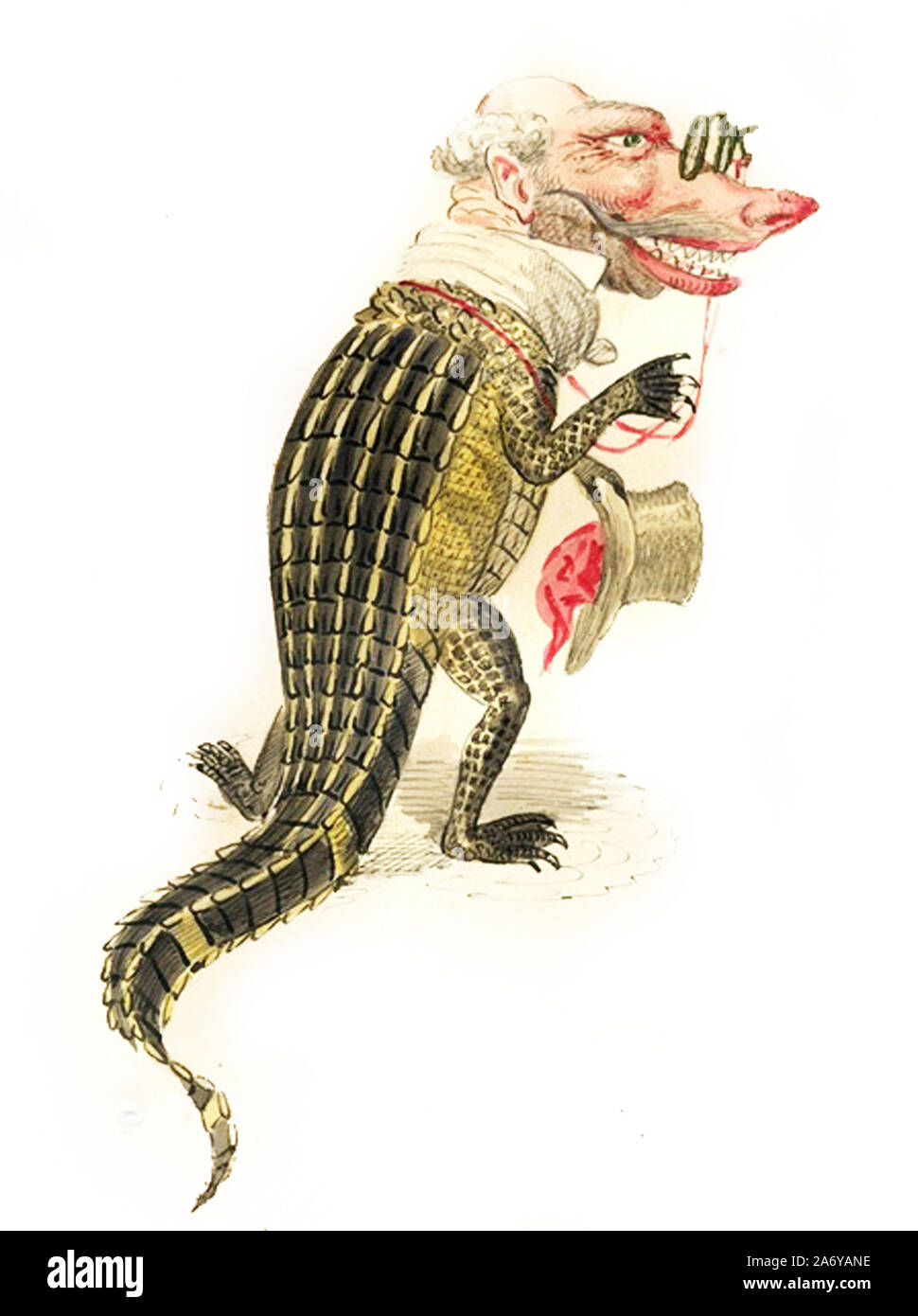
In the ever-evolving landscape of advertising, few techniques have proven as enduringly captivating as anthropomorphism—the art of imbuing inanimate objects, animals, or abstract concepts with human traits. Over the past decade, brands have harnessed this strategy to forge emotional connections, transcend linguistic barriers, and etch their messages into the collective consciousness. These anthropomorphic ads don’t just sell products; they invite us into a world where cereal boxes have personalities, household appliances develop quirks, and even the most mundane products become protagonists in a grand, whimsical narrative. What makes these campaigns so unforgettable isn’t merely their creativity but their ability to tap into something primal: the human tendency to see ourselves reflected in the world around us. This exploration delves into the most memorable anthropomorphic advertisements of the last ten years, dissecting the metaphors, the emotional resonance, and the unique appeal that elevated them from mere commercials to cultural touchstones.
The Alchemy of Personification: How Brands Breathe Life into the Inert
At its core, anthropomorphism is an alchemical process—brands take the inert and imbue it with vitality, turning a faceless corporation into a relatable character or a product into a companion. The most effective campaigns don’t just assign human traits; they craft entire identities. Consider the evolution of mascot-based advertising, where once-static logos now possess distinct voices, backstories, and even flaws. This transformation isn’t superficial; it’s a psychological sleight of hand that exploits our innate empathy. When a brand’s anthropomorphized avatar laughs, sighs, or expresses frustration, it triggers mirror neurons in our brains, compelling us to empathize as if we were interacting with a living being. The result? A bond that transcends transactional relationships.
Take, for instance, the rise of the “quirky corporate spokesperson”—a trend epitomized by campaigns where brands themselves become characters. A cereal box that winks at the camera or a soda can that strikes a pose isn’t just advertising; it’s a performance. These personas thrive on inconsistency, blending humor with humanity to create figures that feel both aspirational and approachable. The key lies in their imperfections: a slightly crooked smile, an over-the-top enthusiasm, or an exaggerated limp (as seen in some iconic animated mascots) makes them endearing rather than alienating. In doing so, they dismantle the cold facade of corporate monoliths, replacing it with the warmth of a flawed, relatable friend.
The Metaphorical Tapestry: Weaving Narrative into Product Pitches
Anthropomorphic ads often function as miniature parables, using metaphor to convey complex ideas with simplicity and elegance. A prime example is the way financial institutions have personified the concept of “saving” as a diligent, bespectacled accountant or a wise old tortoise, transforming abstract fiscal responsibility into a tangible, almost mythic struggle. These metaphors don’t just clarify; they elevate the product from a utilitarian tool to a character in a larger story. When a brand becomes a protagonist in a narrative arc—whether it’s overcoming obstacles or learning a lesson—the audience isn’t just a passive consumer; they’re an invested spectator.
Consider the use of anthropomorphism in environmental campaigns, where inanimate forces like “Mother Nature” or “the ocean” are given human voices to plead for conservation. These ads don’t lecture; they personify the consequences of inaction, making the abstract tangible. The ocean, depicted as a weary elder with a voice like crashing waves, doesn’t just ask for help—it *deserves* help, because it has been reduced to a frail, pleading figure. The metaphor here is a double-edged sword: it simplifies a sprawling issue into a single, heartrending image while also making the audience complicit in the narrative’s resolution. The best anthropomorphic ads don’t just tell us what to think; they make us *feel* the story they’re weaving.

The Uncanny Valley and the Art of Strategic Imperfection
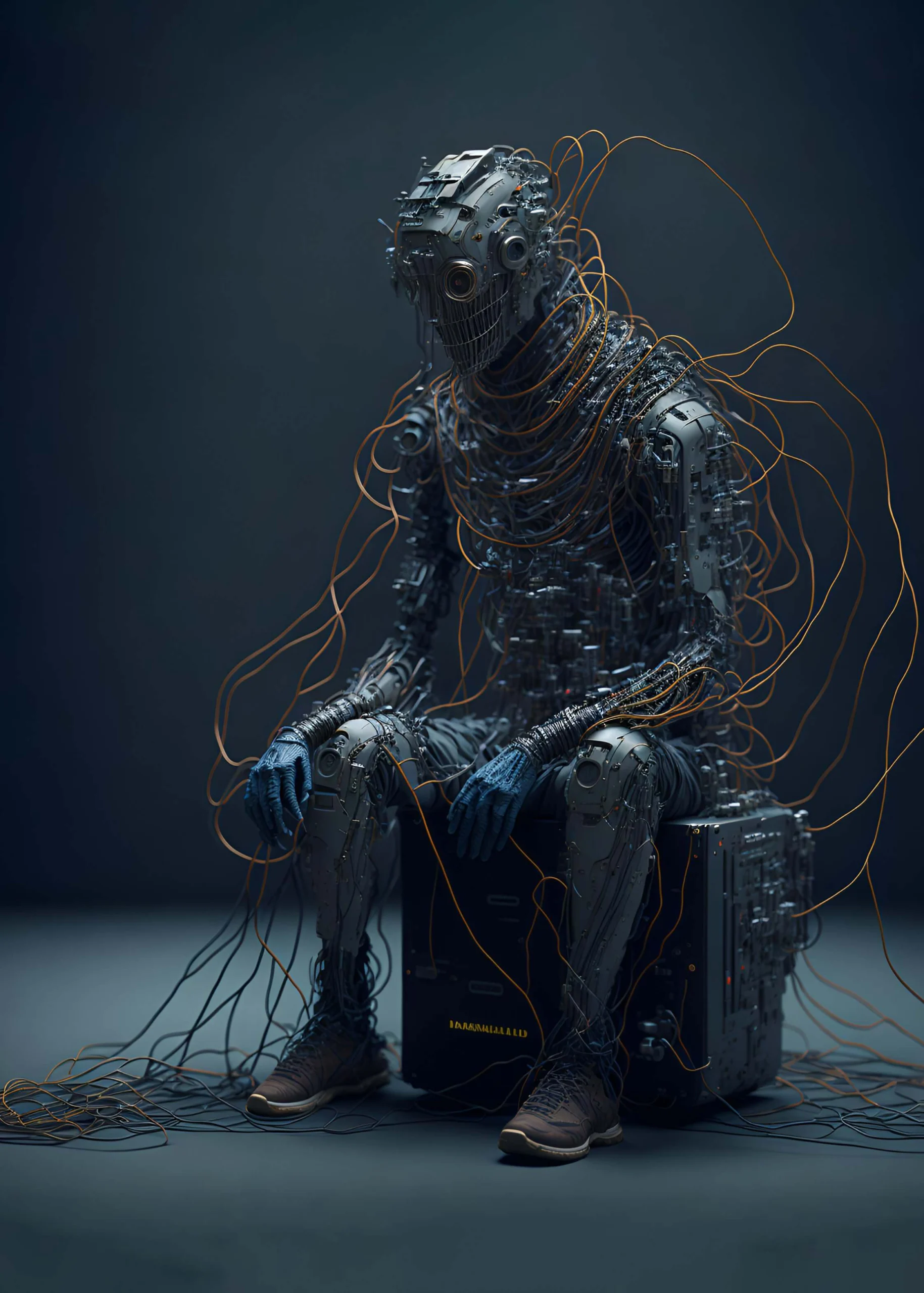
Not all anthropomorphism succeeds by aiming for cuteness or charm. Some of the most memorable campaigns embrace the eerie, the unsettling, or the deliberately imperfect to leave a lasting impression. The “uncanny valley” phenomenon—where near-human creations evoke discomfort rather than empathy—has been both a pitfall and a playground for advertisers. Brands that flirt with this territory often do so to provoke thought, challenge perceptions, or create a sense of unease that lingers long after the ad ends. The goal isn’t always to be liked; sometimes, it’s to be remembered.
Take, for example, campaigns where household appliances develop human-like anxieties or desires. A vacuum cleaner that “sweats” under pressure or a refrigerator that “yearns” for companionship isn’t just quirky—it’s a commentary on consumer culture’s obsession with perfection. These ads play on our discomfort with the idea that our tools might be “judging” us, or worse, that we’ve anthropomorphized them to the point of absurdity. The result is a cognitive dissonance that forces the audience to confront their own relationship with technology. It’s a high-wire act: too realistic, and the ad becomes unsettling; too cartoonish, and it loses its bite. The most effective examples strike a balance, using just enough imperfection to humanize the inhuman without veering into horror.
The Global Appeal: Anthropomorphism as a Universal Language
One of the most remarkable aspects of anthropomorphic advertising is its ability to transcend cultural and linguistic barriers. A well-crafted anthropomorphic ad doesn’t rely on dialogue or text; it communicates through expression, movement, and metaphor. This universality makes it a powerful tool for global brands seeking to establish a consistent identity across diverse markets. The key lies in tapping into archetypes that resonate universally—whether it’s the wise old sage, the mischievous trickster, or the everyman hero.
Consider the global success of campaigns featuring animal mascots. A meerkat from South Africa, a Panda from China, or a Clydesdale from the U.S. can all serve as ambassadors for their respective brands, their human-like antics speaking volumes without a single word. This approach also allows brands to navigate sensitive cultural nuances by using non-human characters as neutral ground. A brand can be bold, irreverent, or even controversial through its mascot without alienating audiences, because the metaphorical distance provides a layer of plausible deniability. The mascot becomes a vessel for the brand’s personality, free to express traits that might otherwise feel out of place in a traditional ad campaign.
The Legacy of Anthropomorphic Ads: Why They Endure
The most enduring anthropomorphic ads don’t just capture attention—they embed themselves in the cultural lexicon. They become shorthand for ideas, emotions, or even entire movements. Think of the Energizer Bunny, which didn’t just sell batteries; it became a symbol of relentless persistence. Or the GEICO Gecko, whose sly, anthropomorphic charm turned an insurance company into a household name. These campaigns succeed because they evolve beyond their original context, becoming part of the broader cultural conversation.
Their longevity also stems from their adaptability. Anthropomorphic mascots can be reimagined for new platforms, from traditional TV spots to viral social media clips. They can be parodied, memed, or even co-opted by fans, further embedding them in the public consciousness. This adaptability ensures that the metaphorical core of the campaign remains relevant, even as the mediums and messages around it shift. In an era where attention spans are fleeting, the ability to remain culturally relevant for years—or even decades—is a testament to the power of anthropomorphism.
Ultimately, the most memorable anthropomorphic ads are those that do more than sell a product; they sell an idea. They invite us to see the world—and ourselves—through a lens of whimsy, empathy, and curiosity. In a marketplace saturated with noise, these campaigns cut through the clutter by offering something rare: a moment of genuine connection. Whether through humor, pathos, or the thrill of the uncanny, they remind us that the line between the human and the inhuman is thinner than we think—and that’s where the magic happens.


![Case Study: How [Author] Used Anthropomorphism to Teach Life Lessons](https://anthropomorphism.org/wp-content/uploads/2026/05/10-Life-Lessons-Sports-Can-Teach-Us-All.jpg)