In the vast, pixelated cosmos of video games, where pixels dance and narratives unfold like constellations, one phenomenon shines with an almost mystical allure: anthropomorphism. It is the alchemy that transforms inanimate objects, abstract concepts, and even mechanical beasts into sentient beings, breathing life into the digital void. This metamorphosis is not merely a trick of the eye—it is a bridge between the player and the game world, a conduit through which immersion flows like an unseen river. When a game wields anthropomorphism with precision, it does not just entertain; it bewitches, ensnaring the player in a web of emotional resonance and cognitive engagement that feels as natural as breathing.
The Alchemy of Giving Life to the Inanimate
Anthropomorphism is the ancient art of imbuing the lifeless with a soul. In games, this manifests in countless forms: a sentient sword that whispers secrets, a rogue AI that evolves with every battle, or a humble pot that scolds the player for careless hoarding. These transformations are not superficial—they are the result of meticulous design, where mechanics and narrative coalesce into a singular, cohesive experience. Consider the humble treasure chest in *The Legend of Zelda* series. Once a mere container, it becomes a character in its own right, its creaking hinges a symphony of anticipation, its contents a reward for the player’s perseverance. This is not just gameplay; it is a silent dialogue between player and object, a conversation that deepens the player’s connection to the world.
The power of anthropomorphism lies in its ability to exploit our primal instincts. Humans are wired to seek patterns, to assign agency to the world around them. When a game leverages this tendency, it transforms passive interaction into active participation. The player is no longer pressing buttons; they are engaging in a silent pact with the game’s inhabitants. This is the essence of immersion—the feeling that the game world is not just a backdrop, but a living, breathing entity that responds to the player’s presence.
The Symphony of Empathy: When Players Feel for Pixels
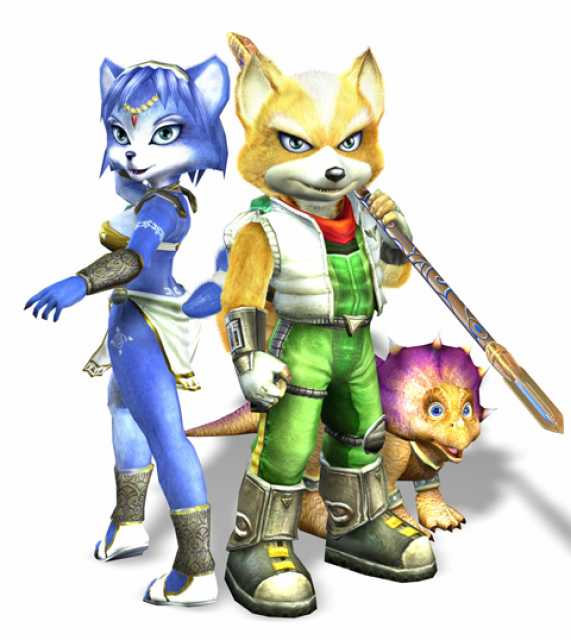
Empathy is the lifeblood of immersion, and anthropomorphism is its most potent catalyst. When a game character—be it a plucky robot, a melancholic ghost, or a mischievous fox—exhibits human-like emotions, the player cannot help but feel a kinship. This is not mere sentimentality; it is a psychological phenomenon known as the “para-social relationship,” where the player forms a one-sided bond with a fictional entity. Games like *Journey* and *Celeste* master this art, crafting protagonists whose struggles mirror our own, whose triumphs feel like personal victories.
But anthropomorphism does not stop at characters. It extends to the environment itself. In *Shadow of the Colossus*, the colossi are not mere obstacles; they are colossal, tragic figures, each with its own personality and fate. The player does not just fight them—they mourn them. This emotional investment is the hallmark of a truly immersive experience. It is the difference between playing a game and living in one. When a game world feels alive, the player’s actions carry weight, their choices resonate, and their failures sting like real-life setbacks.
The magic of anthropomorphism lies in its ability to make the abstract tangible. A health bar becomes a heartbeat; a stamina meter becomes a gasping breath. The player does not just see these elements—they *feel* them. This is the power of metaphor in game design: it transforms numbers into narratives, mechanics into emotions. It is the reason why a simple flicker of a lantern in *Dark Souls* can evoke a sense of dread, or why the chirping of birds in *Animal Crossing* can feel like a warm embrace.
The Dance of Agency: When Players Become Co-Authors
Anthropomorphism does more than create characters—it invites the player into the story as an active participant. When a game character reacts to the player’s choices, when an object responds to their touch, the line between player and protagonist blurs. This is the essence of agency, the feeling that the player’s actions matter. In *Disco Elysium*, the player’s choices shape not just the story, but the very identity of their character. The game’s anthropomorphic world reacts to the player’s personality, creating a dynamic, ever-shifting narrative.
This dance of agency is not limited to narrative-driven games. Even in the most mechanical of experiences, anthropomorphism can elevate the mundane. Take *Overcooked 2*, where the kitchen appliances seem to have personalities of their own. The blender’s whir is a cheer, the oven’s hiss is a warning. The player is not just cooking; they are conducting a symphony of chaos, where every action has a consequence. This is the power of anthropomorphism: it turns the player into a co-author, a collaborator in the game’s unfolding drama.
The most immersive games are those where the player feels like they are not just playing the game, but living in it. Anthropomorphism makes this possible by giving the player’s actions meaning. When a game world responds to the player’s presence, when every object and character feels like a living, breathing entity, the player’s immersion deepens. They are no longer an observer; they are a participant, a witness, a co-creator.
The Uncanny Valley and the Art of the Believable
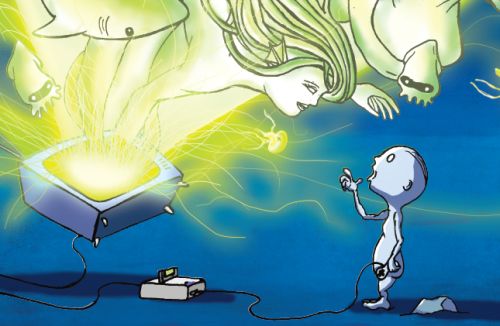
Yet, anthropomorphism is a double-edged sword. Push it too far, and the illusion shatters. The “uncanny valley” looms large, where characters that are almost—but not quite—human evoke discomfort rather than empathy. Games like *Detroit: Become Human* walk this tightrope, crafting characters so lifelike that their emotions feel real, yet their imperfections remind us that they are, in fact, digital constructs. The key to avoiding the uncanny valley is subtlety. A character does not need to be photorealistic to be believable; they need to be *consistent*. Their emotions must feel genuine, their reactions must align with their established personalities, and their world must respond to them in kind.
This is where the art of game design truly shines. The best anthropomorphic characters are not those that mimic humanity perfectly, but those that capture its essence. A raised eyebrow, a sigh, a hesitant step—these are the details that make a character feel alive. In *The Last of Us Part II*, the facial animations of the characters are so nuanced that their grief feels like a physical weight. This is not just animation; it is storytelling without words, immersion without exposition.
The challenge of anthropomorphism is to make the player forget that they are playing a game. It is to create a world where every object, every character, every sound feels intentional, where the player’s actions have consequences, and where the line between player and protagonist dissolves. This is the holy grail of immersion, and anthropomorphism is the key that unlocks it.
The Future: Where Games Become Mirrors
As technology advances, the possibilities of anthropomorphism in games grow ever more expansive. With the rise of AI-driven narratives and procedural generation, games may soon be able to adapt to the player’s emotions in real-time, crafting experiences that feel uniquely personal. Imagine a game where the environment shifts based on the player’s mood, where characters evolve based on their interactions with the player, where every playthrough feels like a new story.
This is not science fiction; it is the future of game design. Anthropomorphism is not just a tool—it is a philosophy, a way of thinking about games as living, breathing entities that respond to the player’s presence. It is the reason why games like *The Witcher 3* and *Red Dead Redemption 2* feel like worlds we can step into, rather than stories we can only watch. It is the reason why, even decades after their release, classics like *Super Mario Bros.* and *The Legend of Zelda* continue to captivate us—they made us believe in their worlds, if only for a little while.
The most immersive games are those that make us forget we are playing. They make us feel, not as players, but as participants. They make us care. And at the heart of this magic is anthropomorphism—a quiet revolution that turns pixels into people, mechanics into emotions, and games into experiences that linger long after the screen fades to black.