What if the wind could whisper secrets through the rustling leaves, or if a teapot could brew not just tea but also contemplation? This whimsical notion isn’t just the stuff of children’s fables—it’s the essence of anthropomorphism, a cognitive bridge that endows the inanimate with life, the abstract with agency, and the non-human with human-like qualities. But here’s the playful challenge: while the West often drapes its gods, animals, and even machines in human garb, the East seems to converse with nature in a more subtle dialect of resonance rather than mimicry. How, then, do these two philosophical landscapes diverge and converge in their dance with anthropomorphism?
The Dual Faces of Anthropomorphism: A Philosophical Preamble
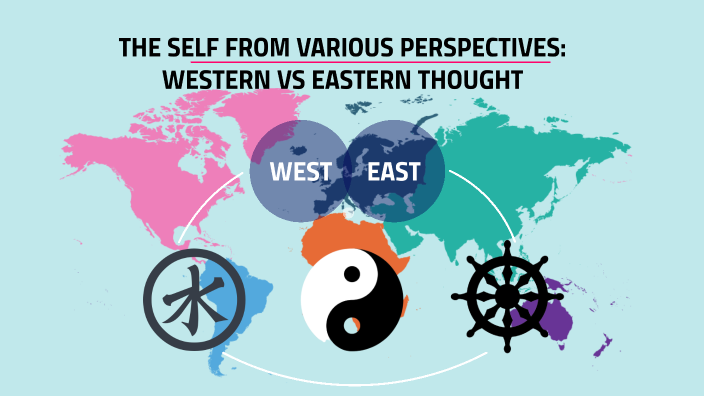
Anthropomorphism, derived from the Greek *anthrōpos* (human) and *morphē* (form), is the act of attributing human traits to non-human entities. It’s a cognitive shortcut, a way for the mind to navigate complexity by framing the unfamiliar in familiar terms. Yet, its application splits along cultural seams. In the West, anthropomorphism often serves as a theological and artistic tool—think of Zeus’s thunderbolts or the Renaissance’s personified virtues. The East, however, tends to employ it as a philosophical lens, where rivers sigh, mountains stand sentinel, and seasons perform a choreographed ballet with humanity.
This divergence isn’t merely stylistic; it reflects deeper ontological commitments. The West’s anthropomorphic deities are often interventionist, shaping human fate with capricious whims. In contrast, Eastern traditions frequently depict nature as a self-regulating organism, where anthropomorphic elements serve as metaphors for cosmic harmony rather than divine puppeteering. The challenge? Reconciling these approaches without reducing one to the other’s shadow.
Divine Personae: Gods with Human Faces vs. Nature’s Silent Echoes
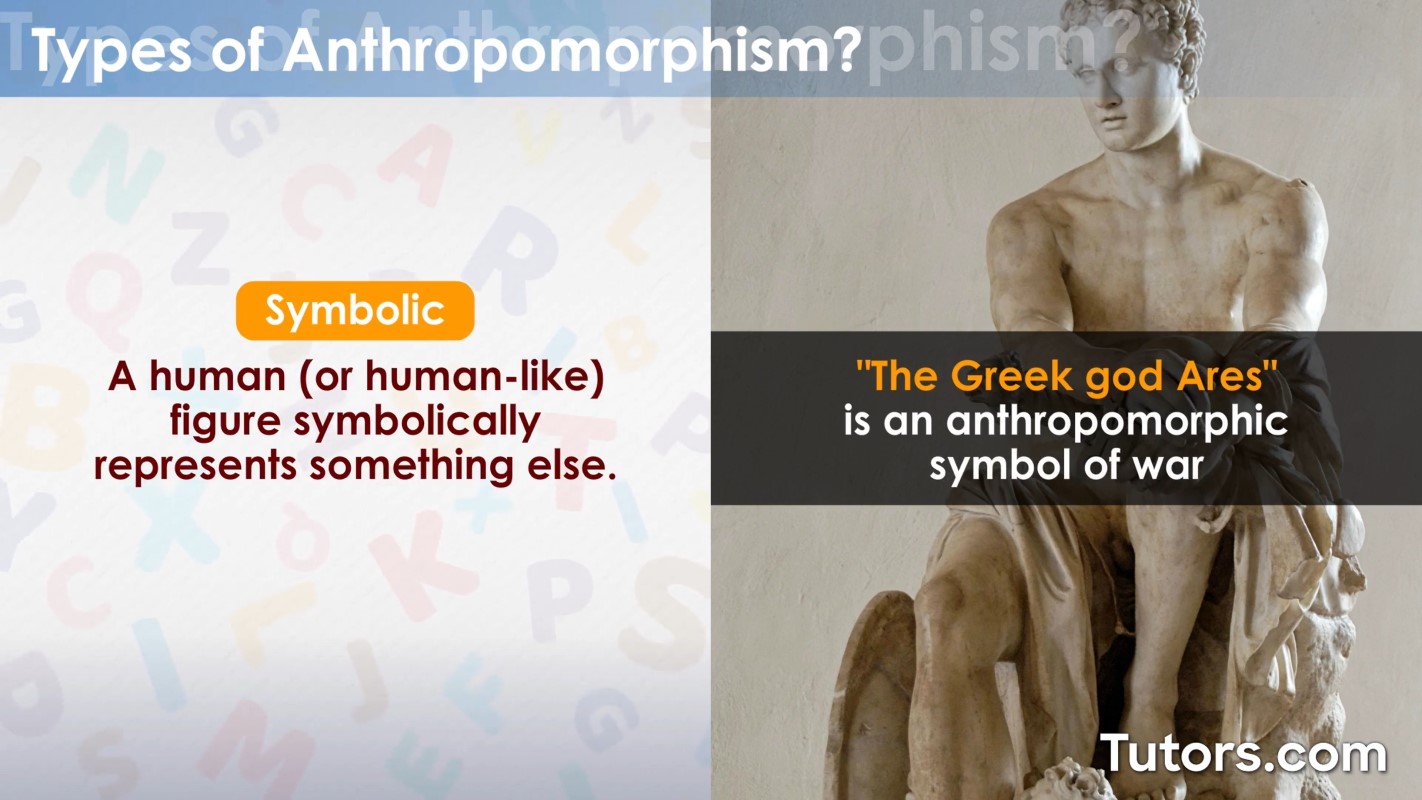
Western theologies have long anthropomorphized the divine. The Old Testament’s Yahweh, with his wrath and compassion, is a human writ large. Greek gods, with their petty jealousies and lusts, are humanity’s mirror held up to the heavens. Even in modernity, cartoons like *The Simpsons*’ God resemble a celestial Homer Simpson, blurring the line between creator and created. This tradition stems from a Platonic legacy: the idea that the divine is best understood through human analogy, a ladder of comprehension where the familiar ascends to the sacred.
The East, by contrast, often avoids such literal anthropomorphism. In Hinduism, deities like Vishnu or Shiva are rarely depicted as human in essence, though their avatars (like Rama or the Nataraja) adopt human forms temporarily. Buddhism’s early texts eschew the notion of a personal god entirely, instead personifying abstractions—Dharma as a cosmic law, Nirvana as a state of liberation. Here, anthropomorphism is a pedagogical device, a way to make the ineffable palpable. The challenge lies in whether this subtlety dilutes the emotional potency of the divine or elevates it to a more universal plane.

Animals as Mirrors: Fables vs. Ecological Kinship
Western fables, from Aesop’s tortoise and hare to Disney’s talking animals, reduce creatures to moral caricatures—brilliant, but often simplistic. These anthropomorphized beasts serve as allegories for human virtues and vices, their roles predetermined by narrative convenience. The East, however, approaches animal symbolism with a different rigor. In Chinese philosophy, the tiger embodies *wei* (power) and the crane *longevity*, but these are not one-dimensional traits. They are part of a dynamic ecosystem where each creature’s essence is both distinct and interwoven with the whole.
Consider the Japanese *kitsune* (fox), a shape-shifting trickster in folklore. Unlike Western foxes, which are often cunning villains, the *kitsune* embodies duality—both benevolent and malevolent, a reflection of nature’s ambivalence. This nuance challenges the Western tendency to flatten animal archetypes into didactic tools. The question arises: does the West’s anthropomorphic storytelling risk reducing nature to a mirror for human morality, while the East’s approach risks losing the immediacy of moral lessons in favor of ecological abstraction?
Art and Aesthetics: The Grotesque vs. The Sublime
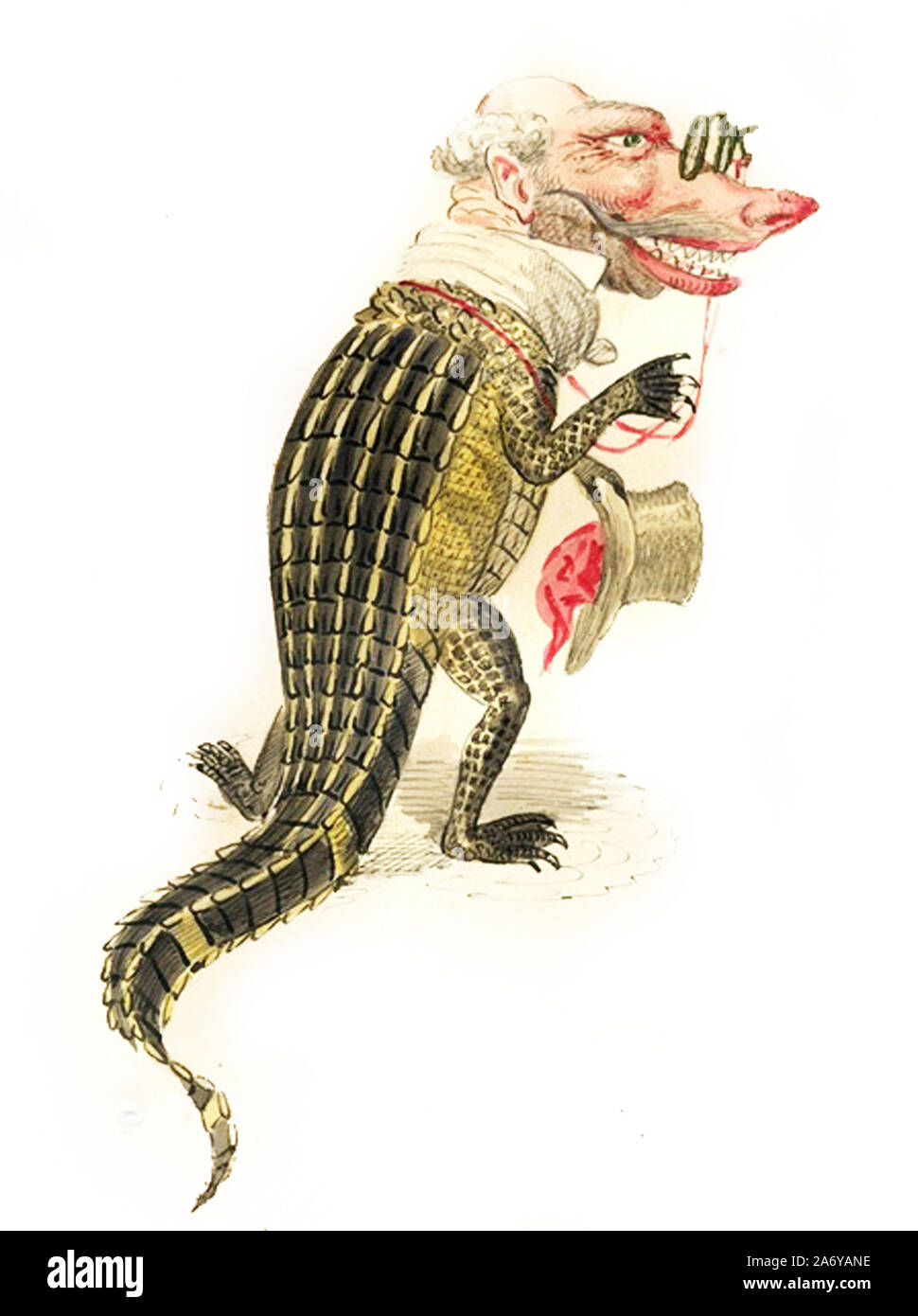
Western art has long reveled in the grotesque—Gothic gargoyles, Bosch’s hybrid monsters, or Grandville’s personified flowers, which grin with human malice. This tradition embraces anthropomorphism as a vehicle for the uncanny, where the familiar is twisted into the unsettling. The East, meanwhile, often channels anthropomorphism into the sublime. Japanese *ukiyo-e* prints depict waves with human eyes, not to evoke fear, but to convey the ocean’s sentience and the artist’s reverence for nature’s power.
The divergence here is one of intent. The West’s grotesque anthropomorphism seeks to provoke, to jolt the viewer from complacency. The East’s sublime version aims to harmonize, to dissolve the boundary between observer and observed. The challenge? Can the grotesque ever transcend shock value to achieve the depth of the sublime, or does it remain forever tethered to the human need to dominate through caricature?
Philosophical Frameworks: Agency and Responsibility
Anthropomorphism isn’t just an artistic or theological choice—it shapes ethical frameworks. In the West, the Judeo-Christian tradition’s anthropomorphic God implies a personal relationship with humanity, one that carries moral responsibility. Sin, redemption, and divine justice are all framed in human terms. Eastern philosophies, particularly Taoism and Zen, often avoid such personalization. The Tao that can be named is not the eternal Tao, and enlightenment is not a dialogue with a cosmic parent but a dissolution of the self into the flow of *wu wei* (effortless action).
This raises a provocative question: does anthropomorphism, by humanizing the non-human, foster a sense of stewardship, or does it risk anthropocentrism—the belief that humans are the measure of all things? The East’s more abstract personifications of nature (e.g., the Hindu *Purusha* as the cosmic being whose body forms the universe) suggest a humbler stance, where humanity is but a part of a vaster, sentient whole. The West’s personal gods, meanwhile, demand accountability but may also encourage exploitation if the divine is seen as a resource rather than a co-creator.
Modernity’s Paradox: AI and the Reanimation of the Inanimate
In an age of artificial intelligence and robotics, anthropomorphism has taken on new life. Silicon Valley’s obsession with “friendly” AI interfaces—robots with faces, chatbots with personalities—echoes the West’s ancient habit of endowing the inanimate with humanity. Yet, Eastern thought offers a cautionary counterpoint. The Japanese concept of *mono no aware* (the pathos of things) suggests that even objects possess a quiet, transient beauty without needing to mimic human emotion. Can we reconcile this with our desire to make machines “relatable”? Or are we doomed to project our loneliness onto our creations, repeating the same anthropomorphic loop across millennia?
The challenge here is existential. As we blur the line between human and machine, between creator and creation, we must ask: does anthropomorphism deepen our connection to the world, or does it merely anesthetize us to the strangeness of existence? The East’s subtler approach—seeing the machine as a tool with its own *qi* (vital energy)—might offer a path forward, one where technology is revered rather than merely anthropomorphized.
Conclusion: A Dialogue Across Divides
Anthropomorphism is neither a Western indulgence nor an Eastern quirk—it is a universal human impulse, a way to navigate the unknown by cloaking it in the familiar. Yet, the manner in which this impulse is expressed reveals profound cultural differences. The West’s love of the dramatic, the personal, and the grotesque contrasts with the East’s preference for the subtle, the cyclical, and the sublime. The challenge, then, is not to choose one over the other but to recognize that both are valid languages of meaning, each offering a different key to unlock the mysteries of existence.
Perhaps the ultimate anthropomorphic act is to recognize that we are not the sole authors of meaning. The wind whispers, the river sighs, and the mountains stand—whether they do so in human form or not, they are speaking. The question is whether we are listening.


![Case Study: How [Author] Used Anthropomorphism to Teach Life Lessons](https://anthropomorphism.org/wp-content/uploads/2026/05/10-Life-Lessons-Sports-Can-Teach-Us-All.jpg)