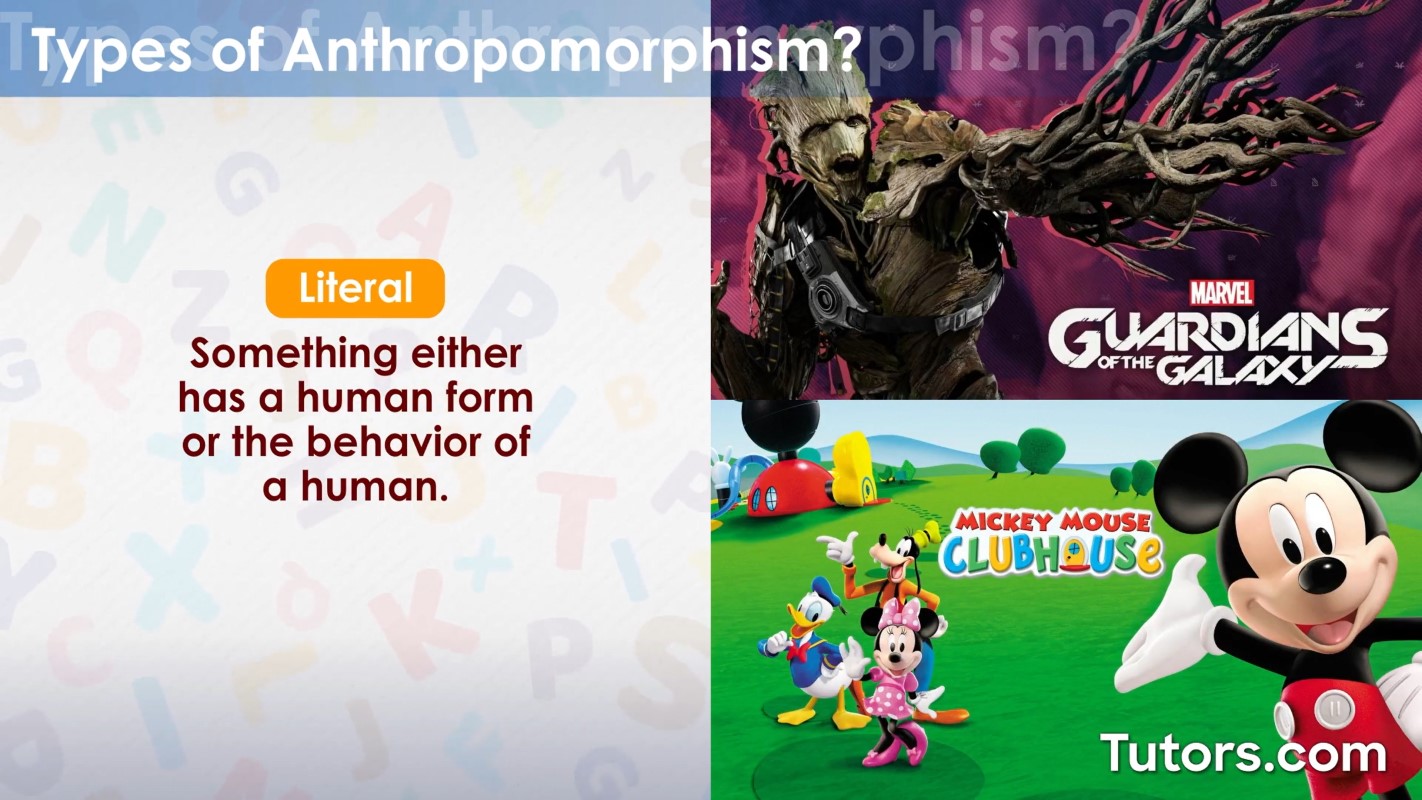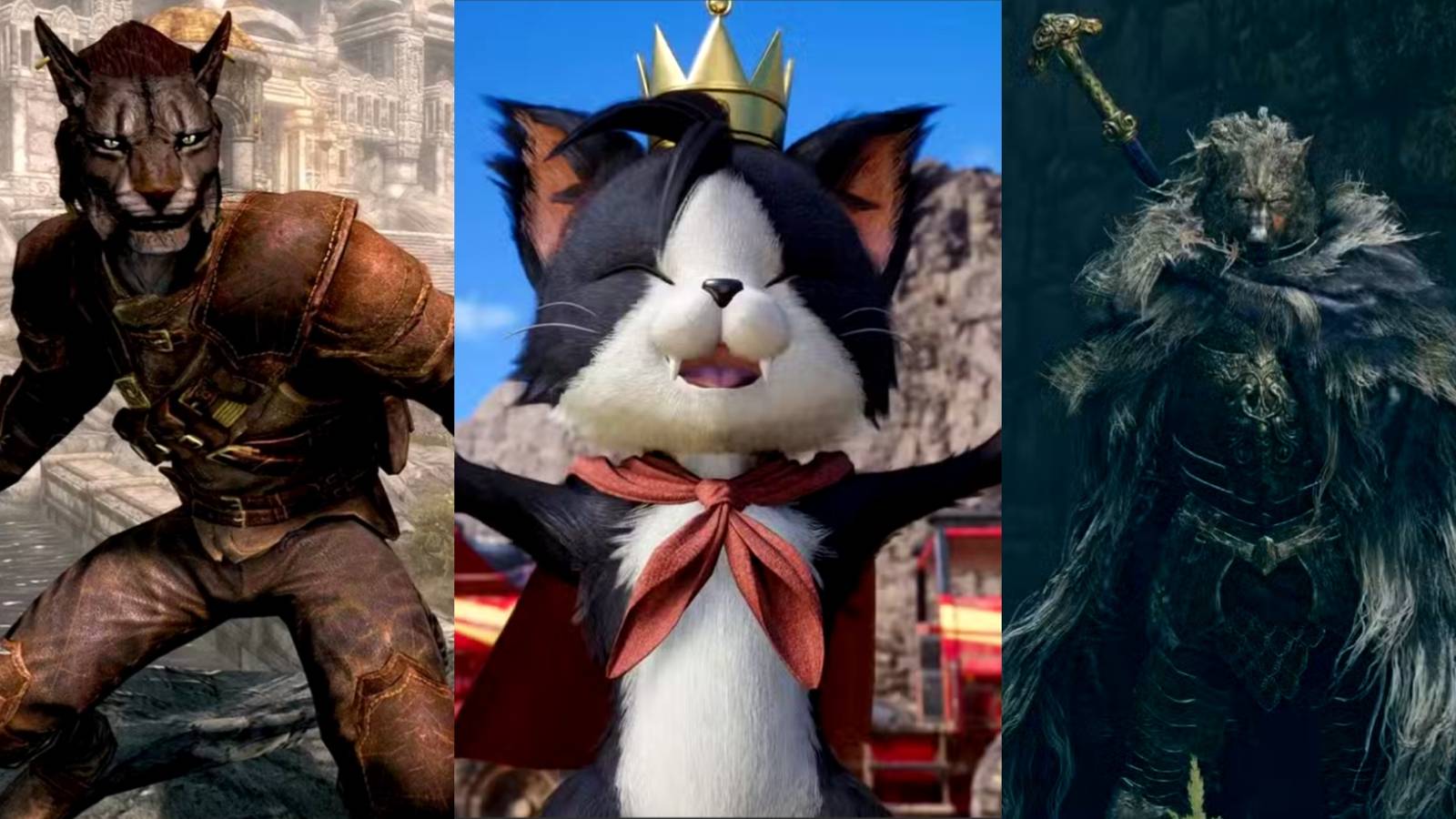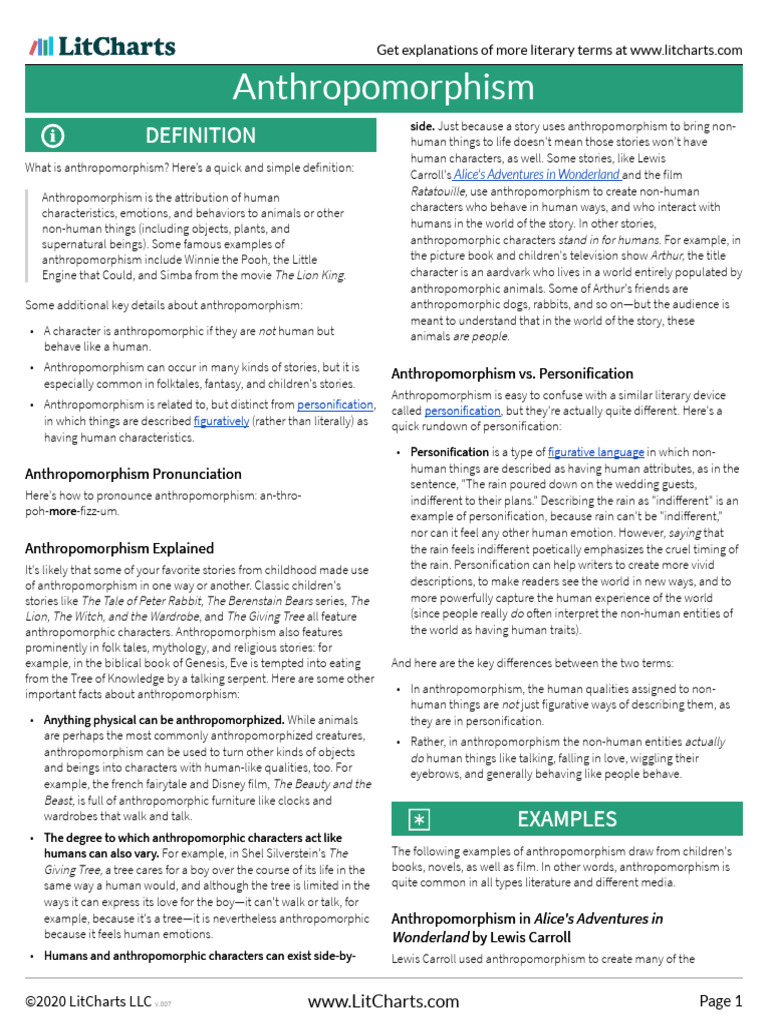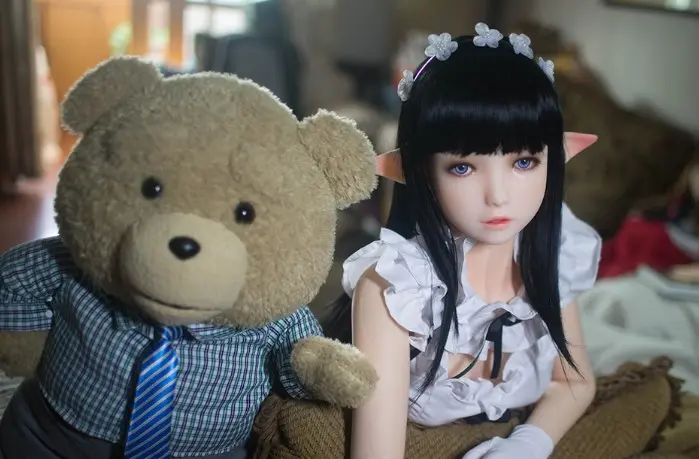
From the moment we wake to the time we surrender to sleep, our minds are awash with a curious habit: the tendency to see ourselves in everything around us. A teddy bear slumped in the corner of a child’s room seems to slump with exhaustion. A car’s headlights gleam like watchful eyes. A storm cloud broods like a disgruntled elder. This silent, almost reflexive act of imbuing non-human entities with human traits—emotions, intentions, personalities—is known as anthropomorphism. It is not merely a quirk of language or a playful literary device; it is a fundamental feature of human cognition, one that shapes how we perceive, interact with, and even survive in the world.
The Ubiquity of Human Faces in the Non-Human World
Anthropomorphism begins in the cradle. Infants, long before they can articulate the concept of self, instinctively attribute human-like qualities to objects. A rattle shakes as if it’s laughing. A mobile spins as if dancing. This early tendency is not random; it reflects a deeper cognitive strategy. Our brains are pattern-recognition machines, wired to detect faces and emotions because, for millennia, identifying human expressions meant the difference between safety and danger. Even when the patterns are illusory—like the “man in the moon”—our minds leap to fill the gaps with human form. This phenomenon, known as pareidolia, is the visual cousin of anthropomorphism, turning ambiguous shapes into familiar faces. It is a testament to our brain’s relentless search for meaning, even where none exists.
As we grow, this habit extends beyond faces. We name our cars, scold our computers for “misbehaving,” and swear at printers that jam at the worst possible moment. These acts are not mere metaphors; they are evidence of a mental shortcut our brains use to navigate complexity. By humanizing the inanimate, we reduce the cognitive load of interacting with an unpredictable world. A grumpy toaster is easier to tolerate than a malfunctioning appliance. A loyal dog is easier to love than a collection of cells and instincts. Anthropomorphism, in this light, is a coping mechanism—a way to impose order on chaos.
The Evolutionary Advantage of Seeing Ourselves Everywhere
Why would evolution favor such a seemingly irrational tendency? The answer lies in survival. Early humans who could quickly assess the intentions of others—whether friend or foe—had a distinct advantage. Those who mistook a rock for a lurking predator might have wasted energy, but those who saw a predator in a rustling bush survived to pass on their genes. Anthropomorphism, then, is an offshoot of this hyper-vigilance. It is the cognitive equivalent of seeing a face in the dark: better to assume a threat than to ignore one.
This bias extends to our interactions with animals and even natural phenomena. Farmers have long spoken to their crops, believing that kind words might coax a better harvest. Sailors once blamed storms on angry sea gods. These beliefs persist not because they are logically sound, but because they provide a sense of control. If a drought can be appeased with a ritual, then the world feels less random. Anthropomorphism, in this sense, is a psychological tool for managing uncertainty. It allows us to negotiate with the unknown, turning capricious forces into entities with motives we can understand.
Moreover, this tendency fosters social bonds. When we humanize pets, we treat them as family members. When we imbue robots with personalities, we make them relatable. This not only enhances our emotional connections but also strengthens our ability to cooperate and communicate. In a world where technology increasingly mediates our interactions, anthropomorphism bridges the gap between the mechanical and the human.
The Psychological Layers Beneath the Surface
Anthropomorphism is not a monolithic phenomenon; it operates on multiple psychological levels. At its most superficial, it is a linguistic flourish—a way to make language vivid and engaging. Advertisers exploit this when they give cars “personalities” or when breakfast cereals are marketed as “fun-loving.” But beneath this surface lies a deeper layer: the projection of our own emotions onto the world. When we say the sun is “smiling,” we are not just using a metaphor; we are expressing our own joy. This emotional projection is a form of empathy, a way to connect with the world on a feeling level.
There is also a cognitive layer to consider. Anthropomorphism reflects our brain’s reliance on analogy. We understand new concepts by comparing them to what we already know. A child learns about thunder by imagining it as the voice of an angry giant. An adult might describe a complex algorithm as “thinking” like a human. This analogical reasoning is a cornerstone of creativity and innovation, allowing us to transfer knowledge across domains. Without it, abstract ideas would remain inaccessible.
Yet, anthropomorphism is not without its pitfalls. It can lead to misjudgments, as when we assume a wild animal is “friendly” because it behaves in a way we recognize. It can also foster superstition, as when we blame inanimate objects for our frustrations. Recognizing these biases is the first step toward harnessing anthropomorphism’s power while mitigating its risks.
Cultural Echoes: Anthropomorphism Across Time and Tradition
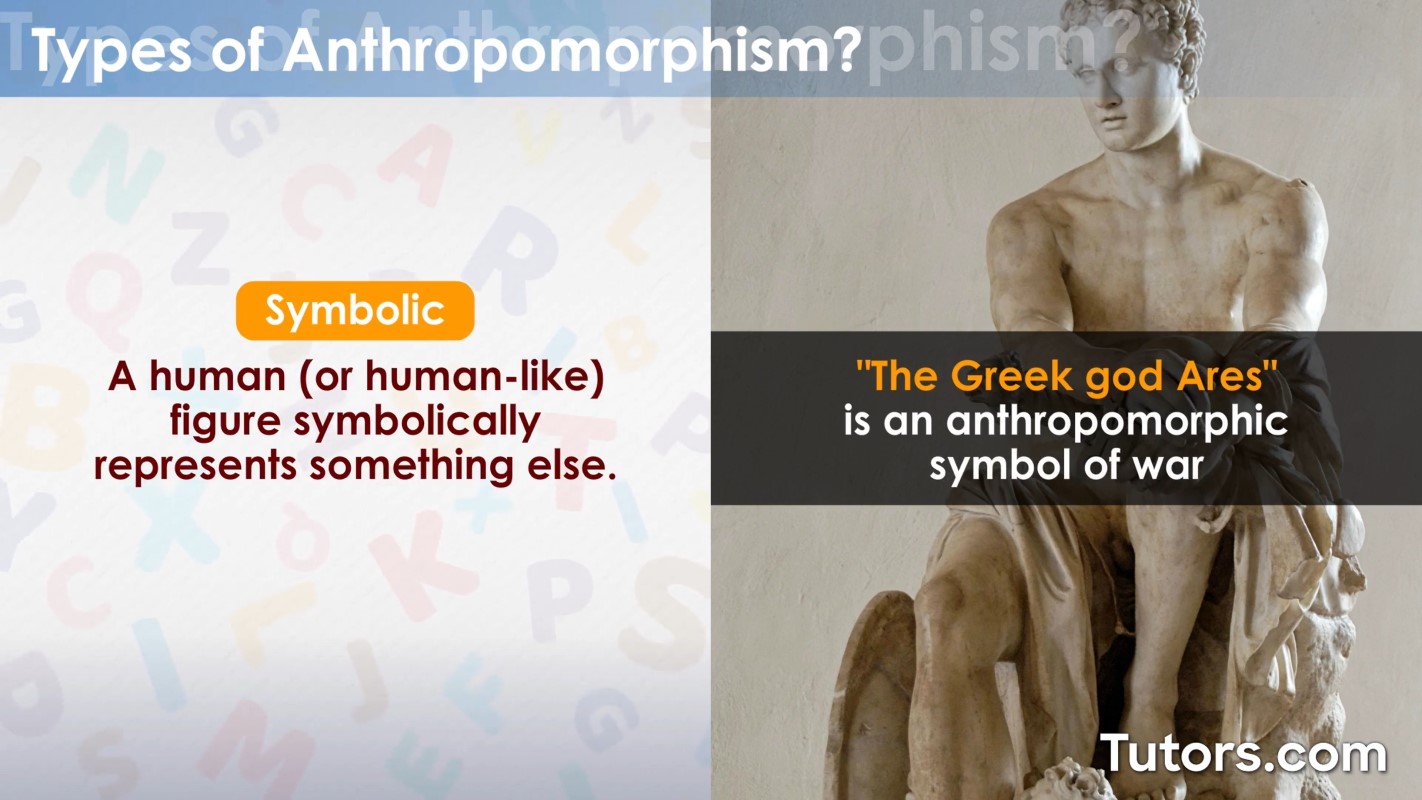
The impulse to humanize the non-human is woven into the fabric of human culture. Ancient civilizations populated their world with gods and spirits inhabiting rivers, mountains, and celestial bodies. The Greeks saw Zeus in the thunder, the Norse saw Thor in the storm, and the Japanese saw kami in the wind. These myths were not mere stories; they were attempts to explain the unexplainable, to find order in the chaos of nature. Anthropomorphism, in this context, was a form of early science—a way to make sense of the world before the advent of empirical inquiry.
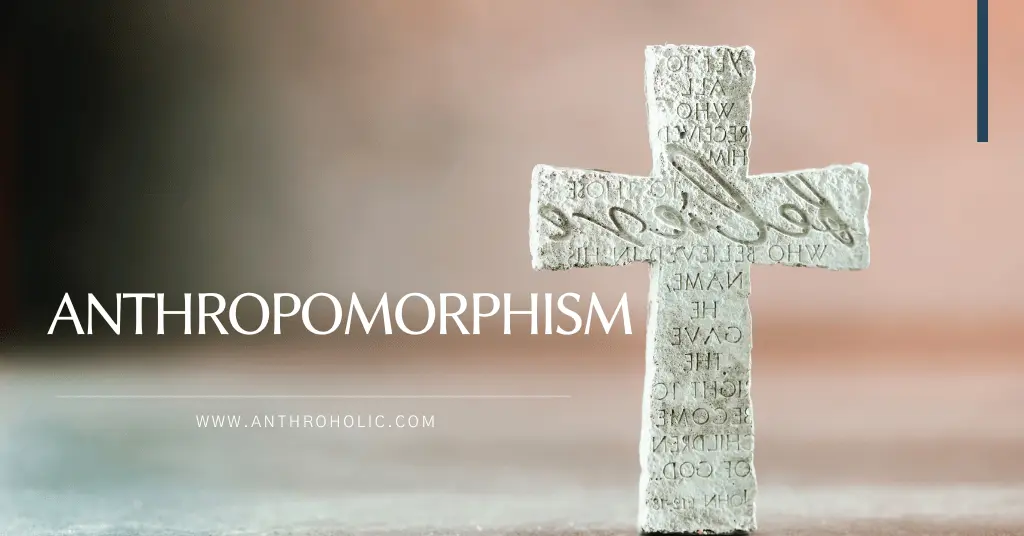
Religions, too, have long relied on anthropomorphic imagery. The Abrahamic traditions depict God with human form, arms outstretched in compassion. Hindu deities take on animal heads or multiple limbs, blending the human and the divine. Even in secular contexts, anthropomorphism persists. Modern holidays like Christmas imbue reindeer with the ability to fly, and Santa Claus with the capacity to deliver gifts worldwide in a single night. These stories endure because they resonate with our innate tendency to see ourselves in the world around us.
Art and literature are perhaps the most explicit manifestations of this tendency. From Aesop’s fables to Disney’s animated classics, stories of talking animals and enchanted objects captivate us because they reflect our own experiences. They allow us to explore complex emotions—jealousy, love, betrayal—through characters that are simultaneously familiar and fantastical. This duality is the magic of anthropomorphism: it makes the abstract tangible, the distant near.
The Future: Anthropomorphism in a Digital Age
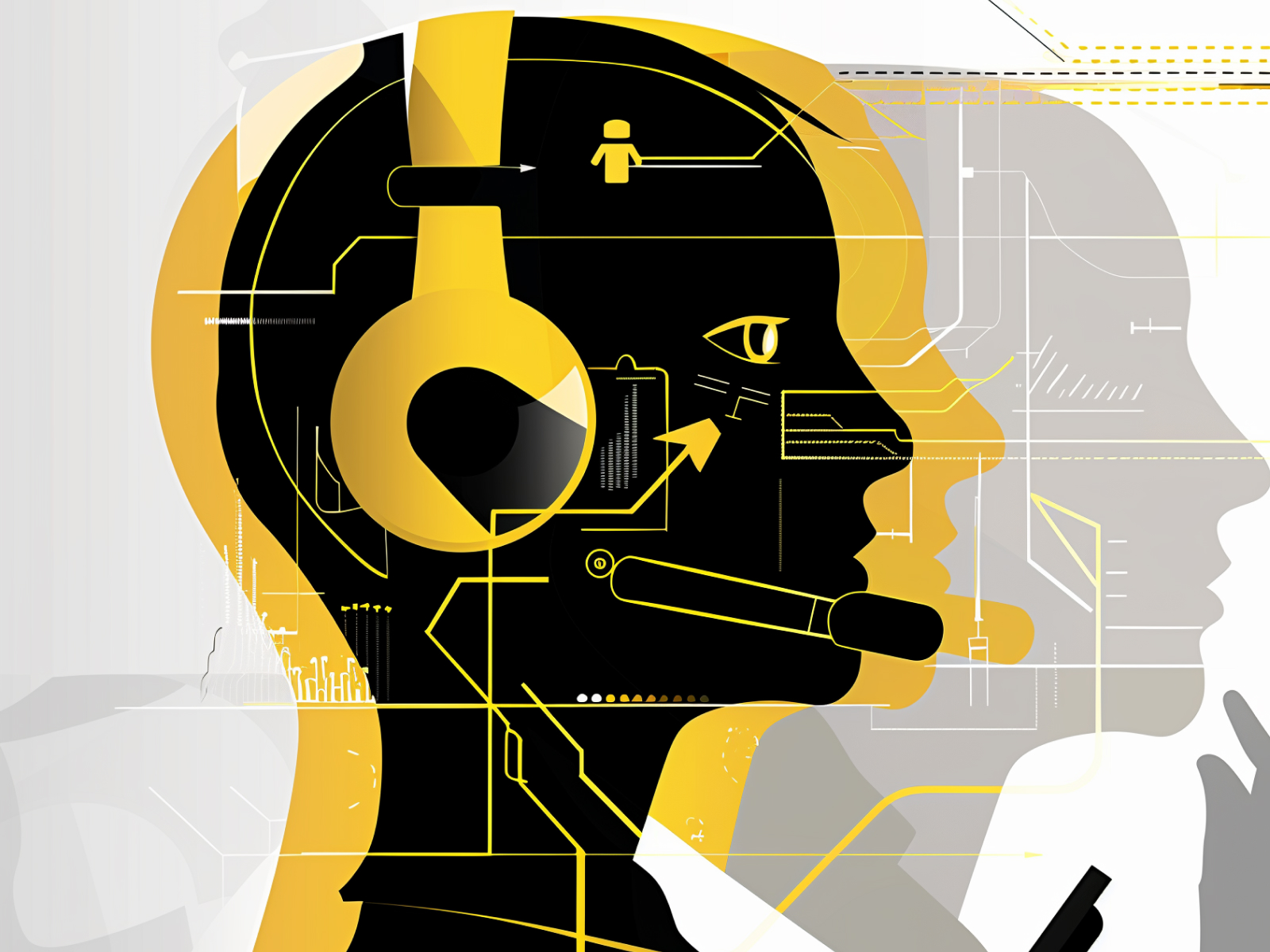
As technology advances, so too does our relationship with anthropomorphism. Artificial intelligence, with its chatbots and virtual assistants, is increasingly designed to mimic human behavior. We greet Siri with “please” and “thank you,” as if she were a person. Robots are given faces and voices to make them more approachable. This trend reflects our deep-seated need for connection, even with entities that are, by definition, non-human.
Yet, this digital anthropomorphism raises ethical questions. If we treat AI with kindness, does it matter that it lacks consciousness? If we imbue algorithms with “personalities,” are we blurring the line between tool and companion? These questions challenge us to consider the boundaries of our empathy. As we continue to project humanity onto machines, we must ask ourselves: what does it mean to be human in an age where the inanimate can seem almost alive?
The answer may lie in recognizing anthropomorphism for what it is: a testament to our imagination, our empathy, and our unyielding desire to find meaning in a world that often feels indifferent. Whether we are staring at the clouds and seeing dragons, or talking to our cars as if they could listen, we are engaging in an ancient dance of connection. It is a dance that reminds us that, for all our rationality, we are still creatures of wonder—capable of seeing the human in the humblest of things.