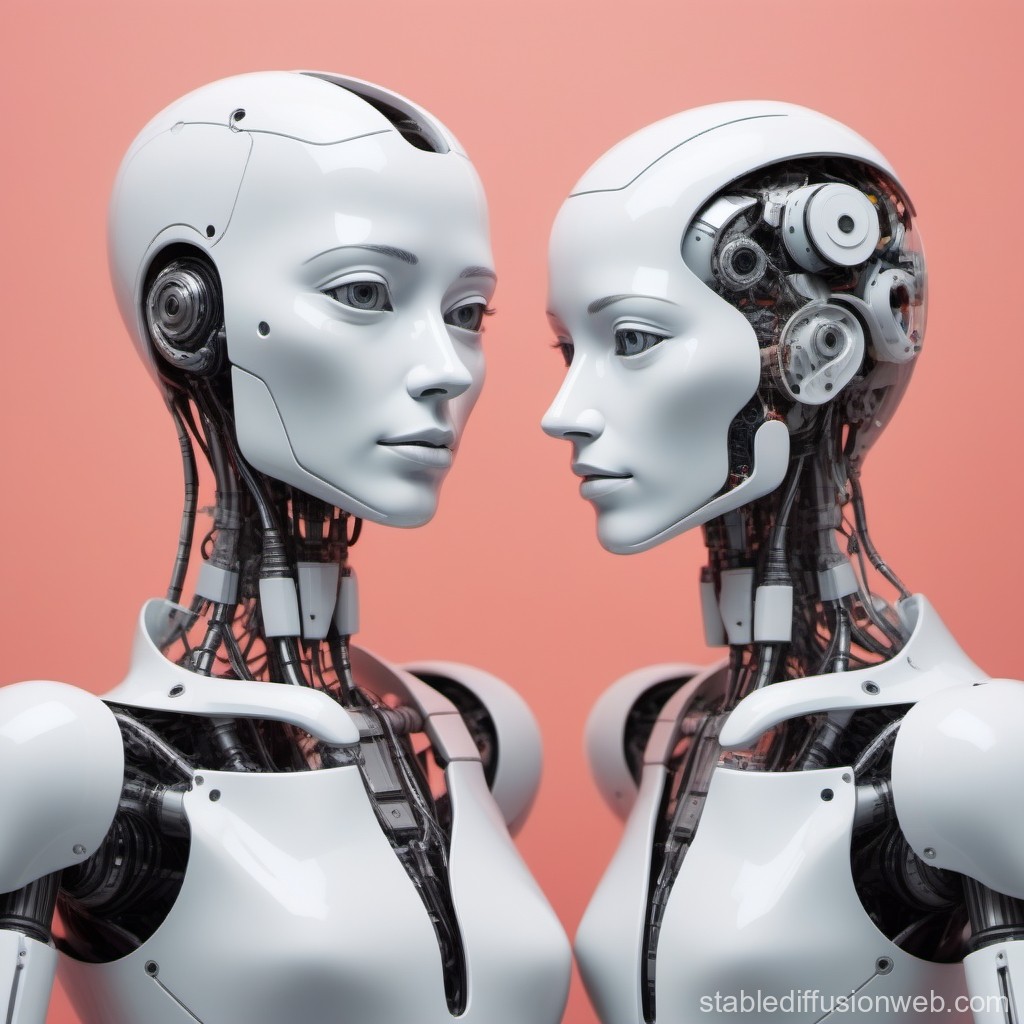
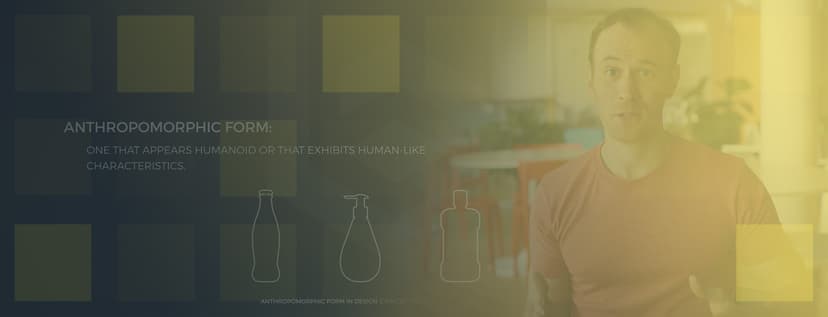
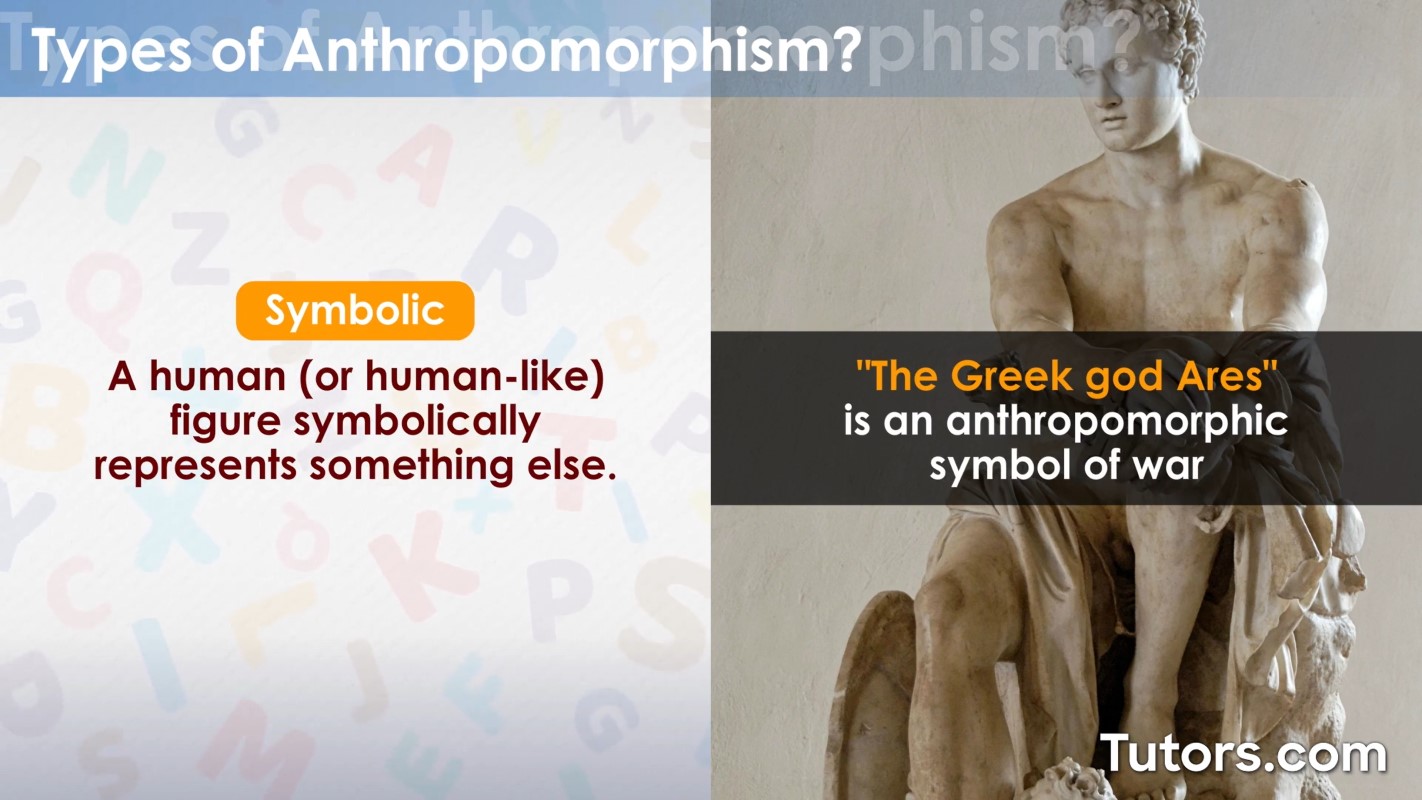
In an era where digital interfaces whisper reassurances and corporate logos smile back at us from screens, anthropomorphism—the attribution of human traits to non-human entities—has quietly infiltrated the fabric of business practices. This phenomenon, once confined to the whimsical realms of children’s stories and animated mascots, now shapes consumer trust, brand loyalty, and even organizational culture. But as companies increasingly endow algorithms, chatbots, and corporate identities with human-like qualities, a critical question emerges: where should the line be drawn between strategic engagement and ethical overreach?
The Allure of the Human Touch in a Digital World
Modern consumers crave connection, even in transactions stripped of physical presence. A 2023 study found that 68% of online shoppers reported higher satisfaction when interacting with customer service bots that employed empathetic language or displayed “personality.” This isn’t mere novelty; it’s a response to the alienating effects of automation. When a chatbot apologizes for a delayed shipment or a virtual assistant jokes about the weather, it doesn’t just resolve an issue—it mimics the social rituals that define human interaction. Yet beneath this veneer of warmth lies a paradox: the more we anthropomorphize machines, the more we risk blurring the boundaries between authenticity and manipulation.
Consider the rise of “brand personas”—fictional characters that embody a company’s values, from the sardonic wit of Old Spice’s “The Man Your Man Could Smell Like” to the earnest optimism of Mailchimp’s Freddie. These personas thrive on relatability, but their success hinges on a delicate balance. Too much humanity, and the illusion shatters; too little, and the brand risks feeling sterile. The ethical tightrope here is the risk of exploiting the human need for connection to drive sales, turning empathy into a commodity.

When Empathy Becomes Exploitation: The Dark Side of Corporate Anthropomorphism
Not all anthropomorphism is benign. The ethical stakes rise when companies leverage human-like traits to obscure their own motives. Take the case of social media algorithms that curate content with the precision of a therapist, offering “supportive” notifications after a user’s post garners few likes. While this may feel like care, it’s often a calculated move to prolong engagement—and thus, ad revenue. The line between genuine support and predatory design blurs when the entity “caring” is a profit-driven machine.
Another troubling trend is the anthropomorphism of corporate entities themselves. When a company is described as “caring,” “visionary,” or even “courageous,” these terms are often euphemisms for actions taken by individuals within the organization. This linguistic sleight of hand can absolve decision-makers of accountability, allowing a faceless corporation to wear the mask of a moral agent while evading scrutiny. The 2008 financial crisis, for instance, saw banks branded as “too big to fail”—a phrase that anthropomorphized the institutions themselves, deflecting blame from the human actors who drove them to the brink.
The danger isn’t just philosophical; it’s practical. Studies show that when people anthropomorphize corporations, they’re more likely to trust them—even when those corporations engage in unethical behavior. This cognitive bias, known as the “anthropomorphism effect,” can lead consumers to overlook red flags, from data privacy violations to labor abuses, simply because the brand “feels” trustworthy.
The Psychology Behind Our Fascination with Humanized Brands
Why are we so drawn to anthropomorphism in the first place? Evolutionary psychologists suggest that our brains are wired to detect agency and intention, even where none exists. This “hyperactive agency detection device” served our ancestors well—better to assume a rustling bush hides a predator than to dismiss it as the wind. In the modern marketplace, this instinct translates into a preference for brands that “speak” to us, that seem to understand our needs.
Yet there’s a deeper layer to this fascination. Anthropomorphism allows us to project our desires, fears, and values onto entities that can’t reciprocate. A fitness app that “cheers” us on feels like a partner in our health journey; a smart speaker that “remembers” our preferences feels like a confidant. This projection isn’t just about convenience—it’s about the human need to feel seen and understood, even by inanimate objects.
This psychological phenomenon also explains why companies invest heavily in “brand personalities.” When a brand adopts human traits—whether it’s the rebelliousness of Nike or the nurturing tone of Johnson & Johnson—it taps into our innate desire for social connection. The more a brand can mimic humanity, the more it becomes a surrogate for the relationships we lack in an increasingly digital world.

Navigating the Ethical Minefield: Best Practices for Businesses
So how can companies harness the power of anthropomorphism without crossing into ethical gray areas? The key lies in transparency and intentionality. Brands that succeed in this space do so by acknowledging the artificiality of their human-like traits while still delivering genuine value. Patagonia, for example, doesn’t pretend its jackets are alive—but its marketing emphasizes a shared commitment to environmental stewardship, a value that resonates with its audience. The anthropomorphism here is subtle: the brand itself becomes a “character” in the story of sustainability, not a personified entity.
Another approach is to use anthropomorphism as a tool for education rather than persuasion. Duolingo’s owl mascot, Duo, is undeniably human-like in its expressions and antics, but its primary role is to make language learning engaging—not to manipulate users into spending more. By keeping the focus on the user’s goals rather than the brand’s personality, Duolingo avoids the pitfalls of exploitative design.
For organizations, the ethical use of anthropomorphism extends to internal culture as well. When employees are encouraged to see their company as a “family” or a “community,” it can foster loyalty—but it can also normalize overwork and suppress dissent. The solution? Frame the company’s values in terms of shared purpose rather than familial bonds. Instead of saying, “We’re all in this together,” a more ethical approach might be, “We share a commitment to these principles.”
The Future: Will Anthropomorphism Save or Sabotage Business Ethics?
As artificial intelligence advances, the line between human and machine will continue to blur. Already, we’re seeing the emergence of “digital humans”—AI avatars that can hold conversations, express emotions, and even build relationships with users. Companies like Replika and Soul Machines are pioneering this space, creating virtual entities that feel eerily lifelike. The ethical implications are vast: Could these digital beings become the new frontline of customer service, replacing human workers? Could they be programmed to manipulate users in ways we haven’t yet imagined?
Yet there’s also potential for good. Imagine a healthcare chatbot that doesn’t just dispense medical advice but also provides emotional support to patients navigating a diagnosis. Or a financial planning app that “coaches” users through budgeting with empathy and humor. The key will be designing these systems with ethical guardrails from the outset—ensuring that anthropomorphism enhances human well-being rather than exploiting it.
The future of anthropomorphism in business isn’t about whether we should humanize our brands, algorithms, and organizations. It’s about how we do it—and to what end. The most successful companies will be those that use this tool not to obscure their motives but to clarify them, not to manipulate but to connect. In a world where technology often feels cold and impersonal, the human touch—when wielded ethically—can be a force for good.