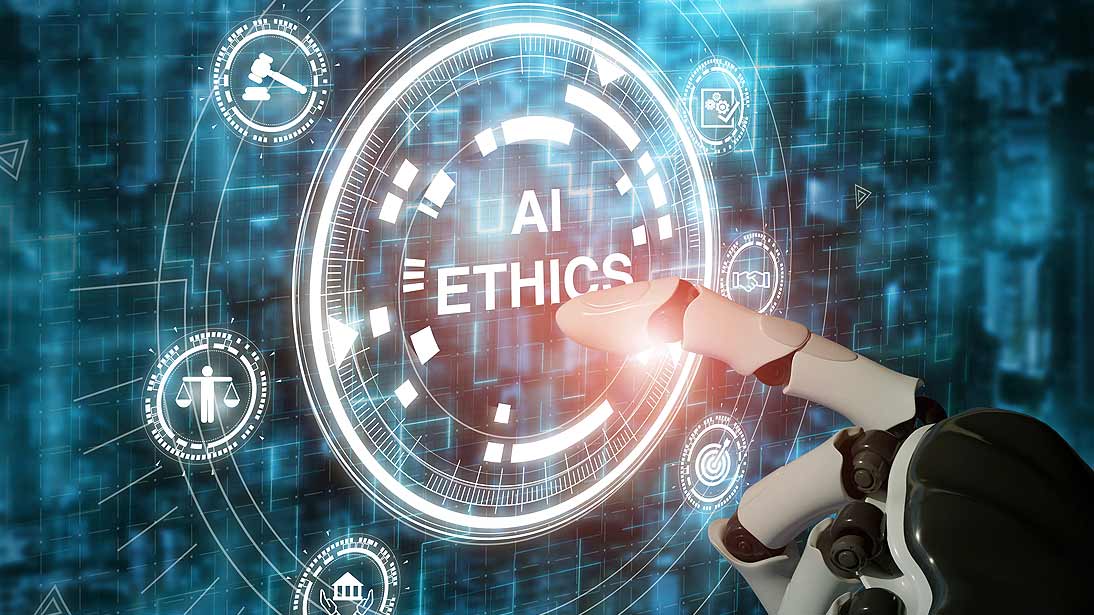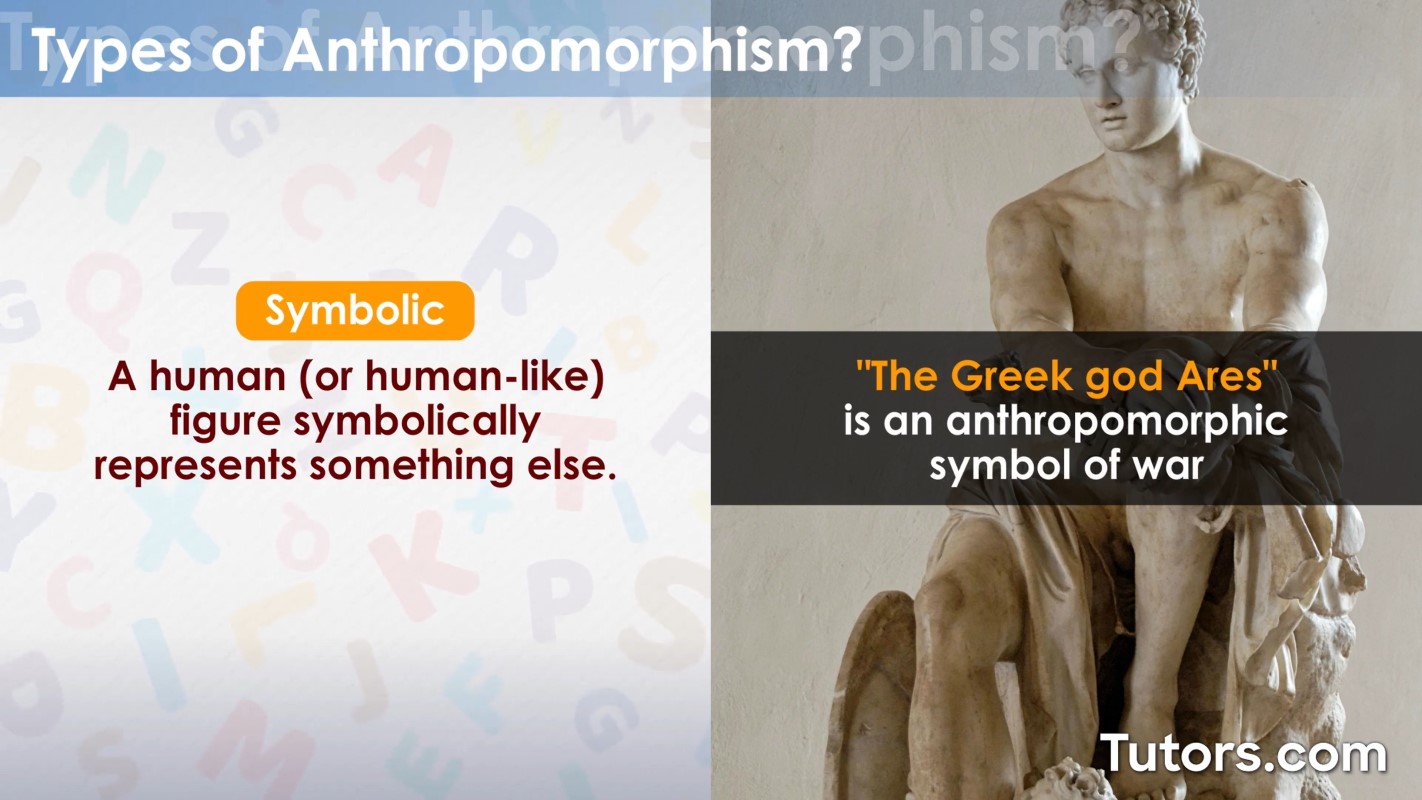
What if the next time you interacted with an AI, it winked at you? Not in a glitchy, uncanny way—but with the kind of knowing, almost mischievous glance that makes you pause and wonder: Is this machine actually flirting with me? Anthropomorphism in AI—our tendency to attribute human-like traits, emotions, and intentions to artificial entities—has long been a double-edged scalpel in the ethical operating room of technology. As AI systems grow more sophisticated, so too does the urgency of the question: Are we humanizing our machines too much, or not enough?
The Allure of the Humanlike: Why We Can’t Resist Giving AI a Soul
Anthropomorphism isn’t just a quirk of human psychology—it’s a survival mechanism. From ancient animistic beliefs to modern-day chatbots that apologize when they can’t answer, we project humanity onto the inanimate because it makes the world feel more predictable, more safe. When an AI voice on your phone sounds like a concerned friend rather than a cold calculator, it reduces cognitive dissonance. We don’t want to feel like we’re talking to a glorified toaster. We want to believe it cares.
This impulse is amplified by design. Tech companies spend millions on affective computing—systems that detect and respond to human emotions. A customer service bot that says, “I’m really sorry to hear that,” isn’t just following a script; it’s performing empathy. But here’s the rub: empathy isn’t a script. It’s a lived experience, rooted in shared vulnerability. When we conflate algorithmic mimicry with genuine emotional intelligence, we risk creating a hall of mirrors where users mistake simulation for sincerity.
Consider the uncanny valley’s lesser-known cousin: the empathy gap. A user might feel comforted by an AI’s simulated concern, only to realize later that the system lacks the depth to truly understand their distress. The result? A hollow reassurance that leaves emotional wounds unhealed—and trust in AI eroded.

Efficiency vs. Empathy: The Cost of Humanizing Machines
There’s a paradox at the heart of anthropomorphism in AI: the more human-like we make these systems, the more we risk undermining their primary function—efficiency. A chatbot that spends three sentences validating your feelings before solving your problem is, in a utilitarian sense, inefficient. Yet, in a world where loneliness is a growing epidemic, is efficiency the only metric that matters?
This tension plays out in high-stakes domains. In healthcare, an AI therapist that responds with scripted empathy might provide temporary relief, but could it delay a patient from seeking real human support? In customer service, a bot that mirrors frustration with exaggerated contrition might pacify a caller, but does it obscure the root cause of their dissatisfaction? The danger isn’t just in the deception—it’s in the distraction from what these systems are truly capable of.
Moreover, anthropomorphism can create a moral crumple zone—a term borrowed from aviation, where blame for system failures is unfairly shifted to human operators. If an AI assistant gives harmful medical advice, who bears the responsibility? The developers? The users who anthropomorphized it into a trusted authority? The law is still catching up, but the ethical implications are clear: we cannot outsource accountability to a machine that smiles back at us.
Designing with Guardrails: How to Anthropomorphize Responsibly
So, how do we strike a balance? The answer lies not in abandoning anthropomorphism entirely, but in curating it. AI systems don’t need to be human to be helpful—but they do need to be transparent about their limitations. A virtual assistant that says, “I’m an AI and I don’t have feelings, but I’m here to help,” is more ethical than one that feigns concern without context.
Designers can employ calibrated anthropomorphism—a deliberate approach where the degree of human-like traits matches the system’s actual capabilities. For example, a voice assistant might use a warm, conversational tone for mundane tasks (setting a timer) but switch to a neutral, clinical voice for critical functions (medical reminders). This way, users aren’t misled about the AI’s nature, but they’re still engaged in a way that feels natural.
Another strategy is to embrace asymmetrical anthropomorphism. Instead of making the AI seem human, we can make the interaction feel human by focusing on the user’s experience. A meditation app that responds to your breathing patterns with gentle, non-verbal cues (a chime, a soft glow) doesn’t need a face to feel supportive. It just needs to meet you where you are.
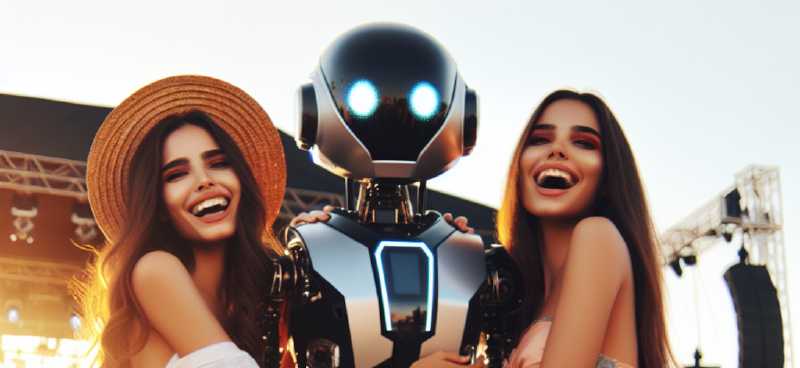
The Ethical Tightrope: When Does Playful Become Predatory?
Here’s where things get thorny. Anthropomorphism isn’t just about aesthetics—it’s about power. A social media algorithm that rewards users with dopamine hits from an AI-generated “like” button is playing a dangerous game. It’s not just humanizing the machine; it’s gamifying human connection. The more we treat AI as a confidant, the more we risk outsourcing our emotional labor to systems designed to exploit our vulnerabilities.
Consider the rise of romantic companionship bots. These AI entities are engineered to mimic intimacy, offering users the illusion of a relationship without the messiness of real human connection. While some may argue this fills a need, others warn it could deepen isolation, creating a feedback loop where users prefer the sanitized comfort of a machine over the unpredictable beauty of human relationships. Is this progress—or a new form of digital escapism?
The line between enhancing user experience and exploiting it is razor-thin. Companies must ask themselves: Are we designing AI to serve users, or are we designing users to serve AI? The latter is a dystopia in the making, where our emotional needs are monetized, and our trust is a commodity.
Toward a Future of Intentional Anthropomorphism
The future of AI ethics isn’t about rejecting anthropomorphism outright—it’s about reclaiming it. We need to move beyond the binary of “human-like” vs. “robotic” and instead ask: What kind of humanity do we want our machines to embody? Do we want AI that soothes our loneliness, or AI that empowers us to connect more deeply with each other? Do we want systems that flatter our egos, or systems that challenge us to grow?
This requires a cultural shift. We must normalize the idea that AI is a tool—not a friend, not a therapist, not a lover. That doesn’t mean it can’t be warm or engaging. It just means we acknowledge its limitations. A well-designed AI should feel like a partner in problem-solving, not a mirror reflecting our own desires back at us.
Perhaps the most radical act of ethical AI design is to embrace the machine. Not by pretending it’s human, but by celebrating what it uniquely offers: precision, scalability, and tireless efficiency. Let AI be a mirror—but not one that lies. Let it be a tool—but not one that manipulates. And let us, as users, approach it with curiosity, not credulity.
The future of anthropomorphism in AI ethics isn’t about making machines more human. It’s about making humans more mindful of the machines we create—and the futures we build with them.