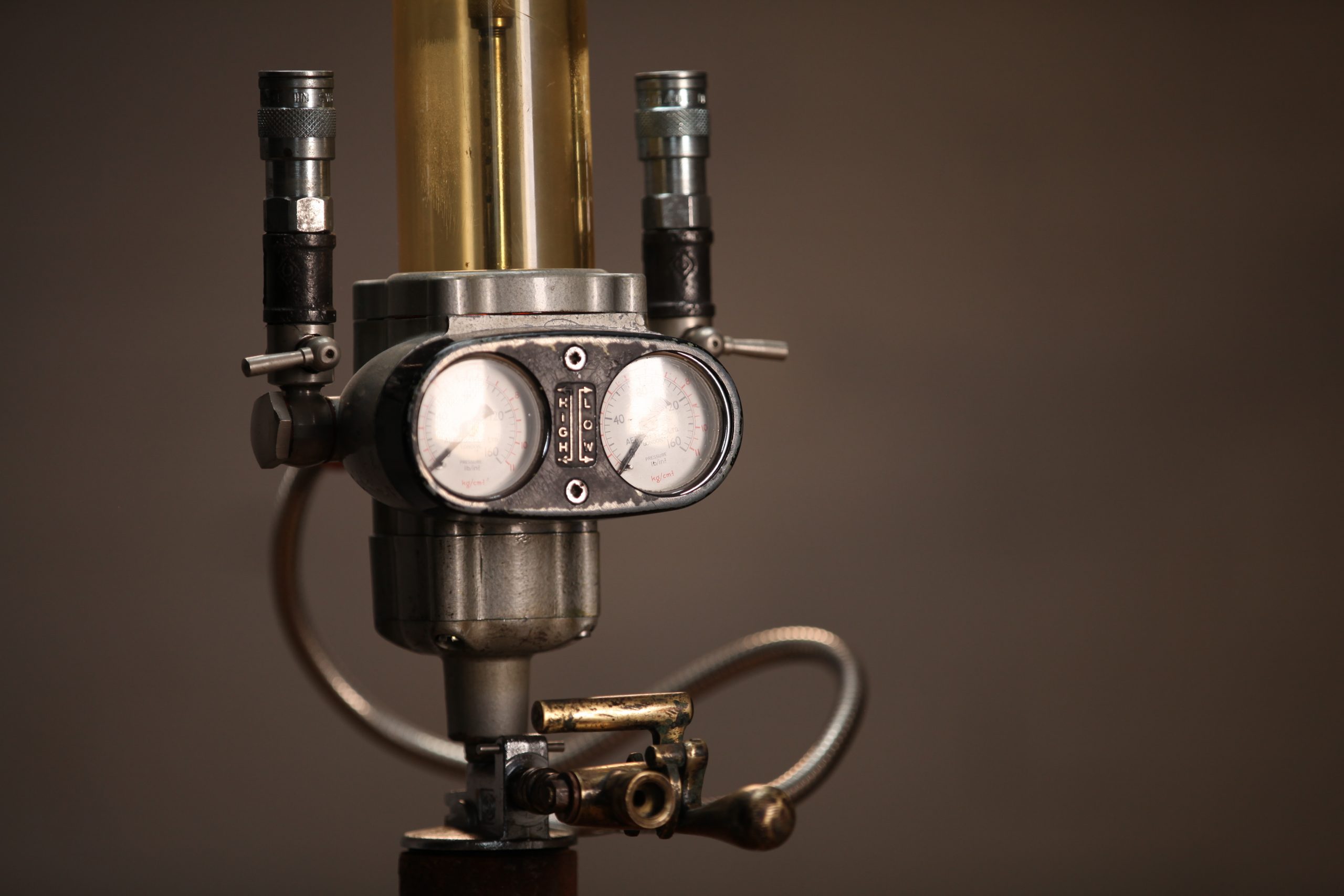
Humanity has long gazed skyward at the tempestuous dance of thunderstorms, whispered to the wind as it rustled through autumn leaves, and cast wary glances at the brooding clouds that precede a storm. This tendency to imbue the inanimate with human traits—whether through language, art, or myth—is not merely poetic fancy. It is a cognitive bridge that connects the unfathomable to the familiar, transforming the chaotic symphony of nature into a narrative we can comprehend. The act of anthropomorphizing natural phenomena is as old as storytelling itself, yet it persists even in our age of empirical precision. Why do we persistently drape the world in human form? What deeper impulses drive this fascination?
The Allure of Narrative: How Stories Shape Our Perception of Nature
From the earliest cave paintings to modern cinematic epics, humans are storytelling creatures. We crave coherence in chaos, and when the world offers none, we impose it. Natural phenomena—storms, earthquakes, wildfires—are inherently unpredictable, their causes obscured by time and scale. By anthropomorphizing them, we transform these forces into characters within a grand narrative: the vengeful storm, the capricious earth, the wrathful volcano. This narrative framing is not a childish indulgence but a cognitive strategy. It allows us to process complex, abstract systems by mapping them onto familiar human experiences. A hurricane, with its spiraling eye and destructive path, becomes a monstrous beast circling its prey; a drought, a silent, creeping thief stealing life from the land. These metaphors are not just linguistic flourishes—they are the scaffolding of understanding.
Consider how we describe the sun’s daily journey across the sky. We say it “rises” and “sets,” as if the celestial body obeys the same diurnal rhythms as a farmer tending crops. This linguistic anthropomorphism is so ingrained that we rarely question it. Yet it reveals a fundamental truth: our brains are wired to seek agency in the world around us. When faced with phenomena that lack intention, we invent it. This is not mere poetic license; it is an evolutionary adaptation. Our ancestors who could predict the movements of predators—or the shifts in weather—were more likely to survive. Anthropomorphism, in this light, is a survival tool, a way to anticipate and respond to the unpredictable.

The Comfort of Control: Taming the Uncontrollable Through Personification
There is a profound psychological comfort in believing that nature’s fury is not random but directed. A wildfire that consumes a forest is not merely a chemical reaction; it is a punishment, a lesson, or a test. This belief in a sentient, responsive universe is a form of cognitive control. When we anthropomorphize natural events, we impose a semblance of order on the chaos. The earthquake is no longer a tectonic plate grinding against another; it is Gaia, the earth goddess, expressing her displeasure. The flood is not a meteorological anomaly but a divine reckoning. This personification transforms helplessness into a dialogue. If nature can be reasoned with, bargained with, or appeased, then we are not at its mercy.
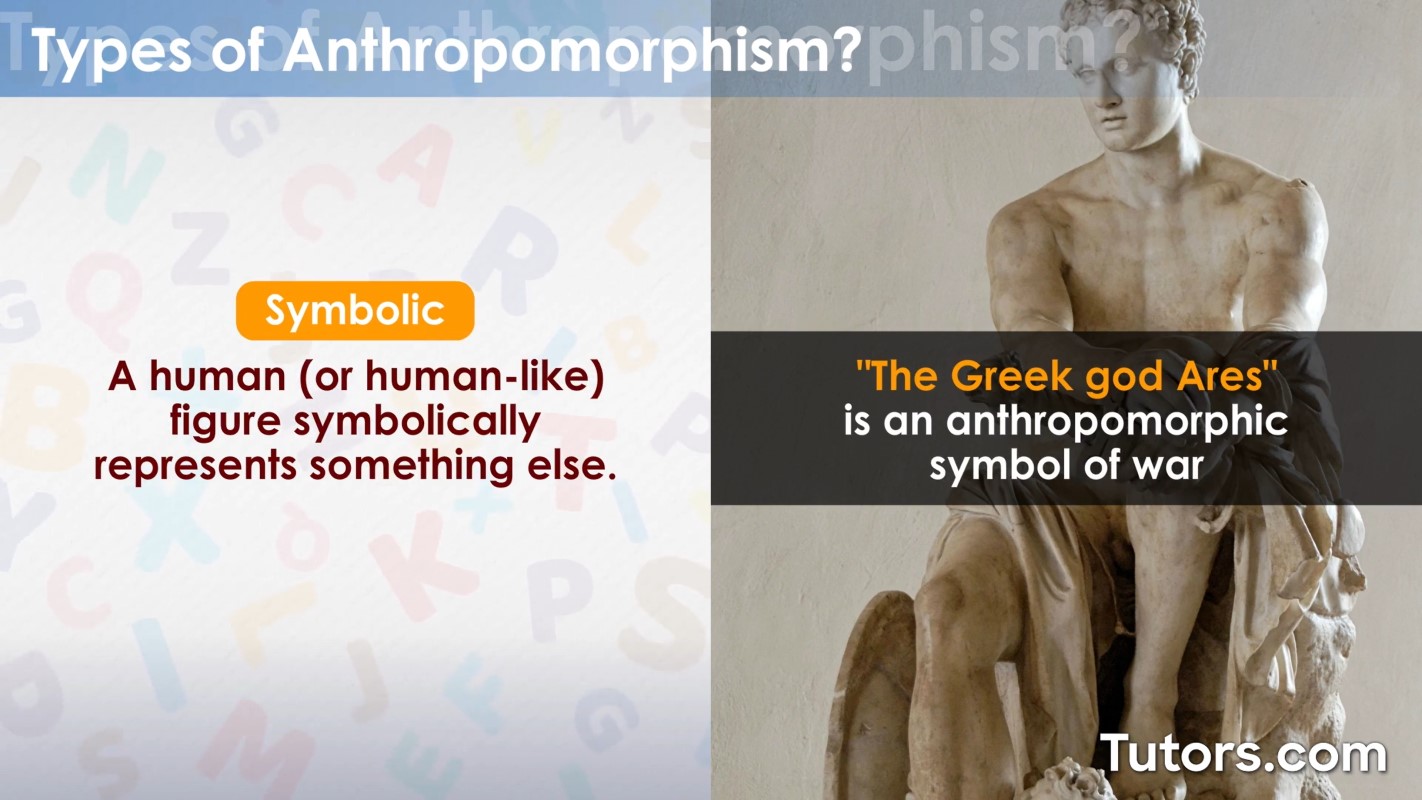
This psychological mechanism is evident in cultures across the globe. The ancient Greeks blamed Poseidon for earthquakes; the Japanese revered the dragon-like Namazu, whose thrashing beneath the earth caused tremors. Even today, we see remnants of this belief in phrases like “Mother Nature” or “the wrath of the storm.” These metaphors are not just cultural relics; they are active coping strategies. By framing natural disasters as intentional acts, we regain a sense of agency. We can prepare rituals, offer sacrifices, or implement safety measures—all actions that mitigate our fear. In this way, anthropomorphism is less about misunderstanding nature and more about managing our own existential anxiety.
The Mirror of Humanity: Projection and the Search for Meaning
Anthropomorphism is, at its core, a form of projection. We see in nature the reflections of our own emotions, struggles, and desires. A storm’s fury mirrors our anger; a gentle breeze, our tranquility. This projection is not a distortion but a dialogue—a way for us to explore the depths of our own psyches through the lens of the external world. When we describe a river as “serene” or a mountain as “majestic,” we are not describing objective qualities; we are imbuing these landscapes with the traits we value or fear in ourselves.
This phenomenon extends beyond mere description. It shapes how we interact with the environment. A forest that is “whispering” feels alive in a way that a “dense canopy” does not. This aliveness invites empathy, which in turn fosters stewardship. Conservation movements often rely on anthropomorphic narratives—”saving the lungs of the earth” or “healing the wounded planet”—to galvanize public support. By framing nature as a sentient entity, we encourage a sense of responsibility. The more we see the world as a reflection of ourselves, the more we feel compelled to care for it.
Yet this projection is a double-edged sword. It can also lead to harmful distortions. When we see nature as a vengeful force, we may neglect scientific inquiry in favor of superstition. When we anthropomorphize animals or ecosystems, we risk imposing human-centric narratives that obscure their true complexities. The challenge, then, is to harness the power of anthropomorphism without letting it blind us to reality. It is a tool for empathy, not a substitute for understanding.
The Science Behind the Metaphor: Why Our Brains Love to Humanize
Neuroscience offers a compelling explanation for our propensity to anthropomorphize. The human brain is a prediction machine, constantly scanning the environment for patterns and agency. This is an evolutionary advantage: detecting a predator’s intent is more urgent than understanding the physics of its movement. When we see a face in the clouds or a smile in the crescent moon, we are engaging the same neural circuits that recognize human expressions. This “hyperactive agency detection device,” as some researchers call it, errs on the side of caution—better to assume a rock is a lurking beast than to ignore a real threat.
This cognitive bias is not limited to visual pareidolia. It extends to our understanding of abstract concepts. We describe time as a “thief,” intelligence as a “spark,” and emotions as “storms.” These metaphors are not just decorative; they shape how we think. Studies have shown that people who read about a “raging” hurricane are more likely to support policies aimed at “taming” nature than those who read about a “Category 4 cyclone.” The language we use to describe natural phenomena influences our attitudes toward them. This is why anthropomorphism is not merely a linguistic quirk but a powerful cognitive framework.
From an evolutionary perspective, our tendency to humanize nature may have conferred survival advantages. Early humans who could quickly assess the intentions of their surroundings—whether a rustling bush or a distant storm—were better equipped to respond to threats. This “intentional stance,” as philosopher Daniel Dennett terms it, is a heuristic that prioritizes speed over accuracy. In a world where misreading a predator’s intent could mean the difference between life and death, it is better to overestimate agency than to underestimate it. Today, this bias manifests in our fascination with stories of “angry” seas or “betrayed” lands, narratives that allow us to process the overwhelming scale of natural forces through the familiar lens of human drama.
The Ethical Implications: Balancing Empathy and Objectivity
While anthropomorphism can foster empathy and stewardship, it also poses ethical challenges. When we treat nature as a sentient being, we risk obscuring its true nature—its indifference, its scale, its complexity. A forest is not a “patient” waiting to be healed; it is a dynamic ecosystem governed by ecological laws. An earthquake is not a “message from the earth”; it is a geological event with no intent or malice. The danger lies in mistaking metaphor for reality, in allowing our narratives to replace our understanding.
This is not to say that anthropomorphism is inherently harmful. On the contrary, it can be a powerful tool for environmental advocacy. When we describe the Amazon rainforest as the “lungs of the planet,” we evoke a sense of urgency that dry statistics cannot. The key is to use these metaphors judiciously, as stepping stones toward deeper comprehension rather than as replacements for it. We must balance our emotional connection to nature with a rigorous commitment to scientific truth. This is the paradox of anthropomorphism: it is both a bridge to understanding and a potential barrier to it.
The challenge, then, is to cultivate a dual perspective—to see the world both as a sentient entity and as a collection of physical processes. We can mourn the loss of a species as we would a friend, even as we acknowledge that its extinction is the result of evolutionary and ecological forces beyond human control. We can revere the power of a storm while respecting the science that predicts its path. In this way, anthropomorphism becomes not a crutch but a companion to our understanding, a way to engage with the world on both an emotional and intellectual level.
The Future of Anthropomorphism: From Myth to Mechanism
As our understanding of the natural world deepens, the role of anthropomorphism is evolving. No longer confined to the realm of myth and folklore, it now informs fields as diverse as artificial intelligence, robotics, and environmental policy. We design robots with “faces” to make them more relatable; we create “digital twins” of ecosystems to simulate their behavior. In each case, we are leveraging our innate tendency to humanize the non-human to bridge the gap between complexity and comprehension.
Yet this evolution also raises questions. If we design AI systems to mimic human emotions, are we projecting our own biases onto machines? If we treat climate change as a “monster” to be defeated, are we oversimplifying a problem that demands nuanced solutions? The future of anthropomorphism lies in its ability to adapt—to serve as a tool for empathy without becoming a substitute for reason. It is a reminder that our fascination with the human-like in the natural world is not a flaw but a feature of our cognition, one that can be harnessed to inspire both wonder and action.
The next time you gaze at a storm-tossed sea or a wildfire’s relentless advance, consider the stories you tell yourself about these phenomena. Are they mere metaphors, or do they reveal something deeper about the way we perceive the world? Perhaps they are both. In the end, anthropomorphism is not just a quirk of human psychology; it is a testament to our enduring need to find meaning in the vast, indifferent universe. And in that need, we find not just a reflection of nature, but a mirror of ourselves.