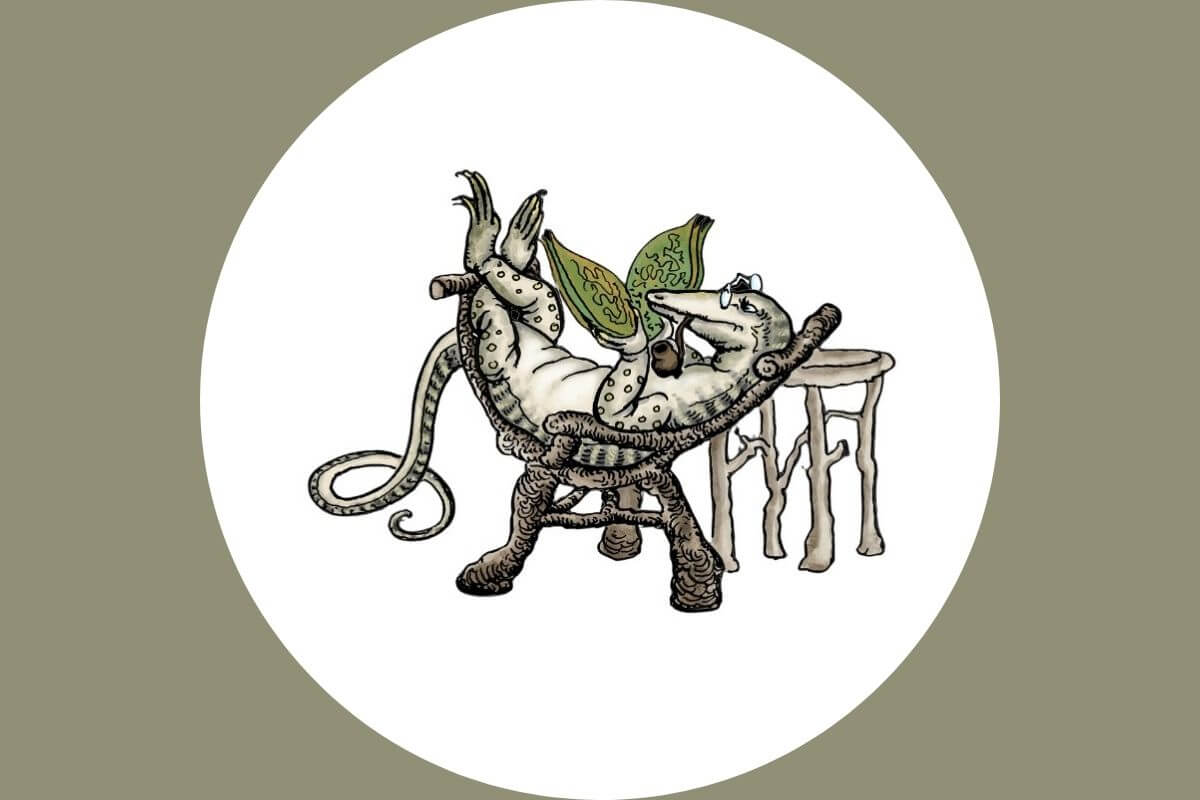
In the grand theater of human cognition, where the boundaries between self and other blur with almost theatrical flair, anthropomorphism emerges as a silent yet pervasive protagonist. It is the cognitive sleight of hand by which we drape the inanimate in the flesh of the familiar, the abstract in the guise of the animate. This inclination to ascribe human traits, emotions, and intentions to non-human entities—be they animals, objects, or even abstract concepts—is not merely a quirk of imagination but a cornerstone in the edifice of social development. From the earliest whispers of childhood wonder to the sophisticated narratives of adult empathy, anthropomorphism serves as a bridge, a mirror, and a mentor, shaping the way we navigate the labyrinth of social interaction.
The Genesis of Connection: How Anthropomorphism Nurtures Early Social Bonds
Long before the first words are spoken, infants are already engaged in a silent dialogue with the world around them. A rattle shakes, and the child’s eyes widen—not just at the sound, but at the perceived agency behind it. This nascent anthropomorphism is not a flaw in reasoning but a developmental asset. By projecting intent onto objects, children begin to decode the chaotic symphony of stimuli into a structured narrative where cause and effect are governed by will and desire. It is as if the universe, in its overwhelming complexity, is tamed by the child’s imaginative hand, rendered comprehensible through the lens of human-like interaction.
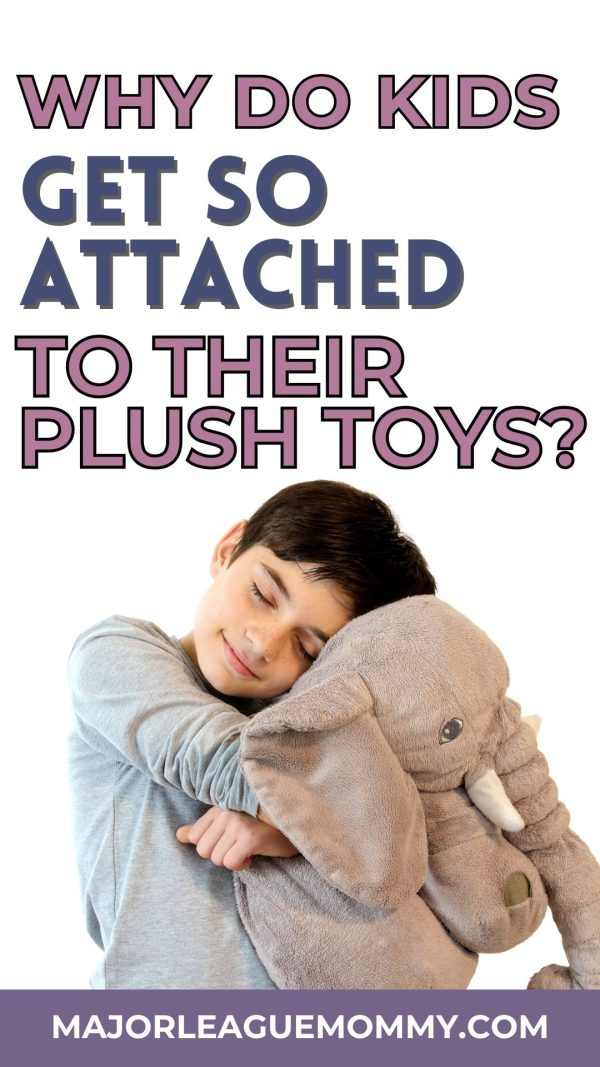
This early flirtation with anthropomorphism is not confined to toys or stuffed animals. Even the flickering shadows on a nursery wall become potential playmates, their movements interpreted as deliberate gestures. Such imaginative leaps are not mere flights of fancy; they are the scaffolding upon which social cognition is built. By endowing the inanimate with human qualities, children practice the art of reciprocity, learning that actions elicit reactions—a foundational principle of social exchange. In this way, anthropomorphism acts as a cognitive playground, where the rules of engagement are rehearsed long before they are applied to real-life interactions.
The Empathy Engine: Anthropomorphism as a Catalyst for Emotional Intelligence
Empathy, that elusive yet essential ingredient of social harmony, often finds its first spark in the act of anthropomorphism. Consider the child who scolds a toppled tower of blocks, as if the structure itself had maliciously defied gravity. Or the adult who apologizes to a stubborn car that refuses to start, as though the machine harbored a grudge. These moments are not trivial; they are exercises in emotional attunement. By attributing emotions to non-human entities, we cultivate the capacity to recognize and respond to emotional states in others—whether human or not.
This process is not limited to the young. Adults, too, rely on anthropomorphism to navigate complex social landscapes. A manager might describe a team’s dynamic as “the project is resisting us,” framing collective frustration in terms of agency and resistance. Such language is not mere metaphor; it is a cognitive shortcut that allows us to map our own emotional experiences onto the behaviors of others, fostering a deeper understanding of shared struggles. In this sense, anthropomorphism is less about deception and more about expansion—an enlargement of the emotional repertoire through which we interpret the world.
The Social Scaffold: How Anthropomorphism Structures Group Dynamics
Beyond the individual, anthropomorphism plays a pivotal role in the cohesion of groups. Tribes, corporations, and even nations often anthropomorphize their collective identities, personifying abstract entities like “the company” or “the state” as actors with intentions and desires. This is not mere rhetoric; it is a psychological mechanism that fosters unity and purpose. When a sports team is described as “hungry for victory,” the metaphor transcends the players themselves, binding fans and athletes in a shared narrative of aspiration and struggle.

Such personifications are not arbitrary. They serve a functional role in group psychology, providing a tangible focal point for collective identity. By attributing human-like qualities to a group or institution, members can more easily internalize its goals, grievances, and triumphs. This, in turn, strengthens social bonds and enhances cooperation. In essence, anthropomorphism becomes the glue that holds complex social structures together, transforming abstract ideals into relatable, actionable entities.
The Dark Mirror: When Anthropomorphism Distorts Social Perception
Yet, like all tools, anthropomorphism is a double-edged blade. Its power to humanize can also lead to misattribution, where non-human entities are erroneously credited with motives they do not possess. The gambler who blames a “cruel” deck of cards for a losing streak, or the driver who curses a “stubborn” traffic light, are examples of how anthropomorphism can distort reality. These misattributions, while often harmless, can sometimes escalate into more pernicious forms of magical thinking, where blame is shifted from systemic issues to imagined agents.
Moreover, the tendency to anthropomorphize can lead to a narrowing of perspective, where the unique qualities of non-human entities are overlooked in favor of human-centric interpretations. A forest reduced to a “patient” enduring human exploitation, for instance, may obscure the intricate, non-human ecologies at play. Such distortions highlight the need for balance—an awareness of when anthropomorphism illuminates and when it obscures.
The Evolutionary Advantage: Why Anthropomorphism Endures
Given its potential pitfalls, why does anthropomorphism persist across cultures and epochs? The answer lies in its evolutionary utility. Our ancestors who could quickly discern intent—whether in a rustling bush or a rival tribe—were more likely to survive and reproduce. Anthropomorphism, in this light, is a cognitive shortcut, a way to rapidly assess potential threats or allies by framing them in human-like terms. Even in the modern world, where threats are less likely to lurk in the undergrowth, this ancient wiring continues to shape our perceptions.
This evolutionary lens also explains why anthropomorphism is not confined to humans. Studies suggest that even non-human primates, such as chimpanzees, exhibit behaviors that resemble anthropomorphic reasoning when interpreting the actions of others. This cross-species consistency underscores the deep-rooted nature of the phenomenon, hinting at a shared cognitive heritage that transcends the boundaries of species.
The Art of Persuasion: Anthropomorphism in Communication and Marketing
In the realm of persuasion, anthropomorphism is a masterstroke. Advertisers have long known that imbuing products with human-like qualities—think of the Michelin Man or the Pillsbury Doughboy—makes them more relatable and desirable. By giving objects personalities, marketers tap into the same cognitive mechanisms that govern human relationships, fostering emotional connections that transcend mere utility.

This strategy is not limited to commercial enterprises. Political campaigns, too, often rely on anthropomorphism to humanize abstract ideals. A political party might be depicted as a “guardian of freedom,” while opposing factions are framed as “threats to democracy.” Such narratives simplify complex issues into a moral drama, making them more accessible and emotionally resonant to the public.
The Future of Connection: Anthropomorphism in the Age of AI
As artificial intelligence becomes increasingly integrated into daily life, anthropomorphism takes on new dimensions. Voice assistants like Siri or Alexa are designed to mimic human speech patterns and emotional responses, blurring the line between tool and companion. This deliberate anthropomorphism is not just about usability; it is about fostering a sense of trust and rapport. When users feel that an AI “understands” them, they are more likely to engage with it, creating a feedback loop that enhances the technology’s perceived efficacy.
Yet, this trend also raises ethical questions. As AI systems become more human-like, the risk of over-attachment grows. The person who confides in a chatbot as if it were a friend may find themselves isolated from real human connections. Here, the power of anthropomorphism becomes a double-edged sword, capable of both bridging gaps and deepening divides.
Conclusion: The Humanizing Force
Anthropomorphism is far more than a whimsical tendency; it is a fundamental aspect of how we make sense of the world and our place within it. From the cradle to the grave, it shapes our social skills, our empathy, and our capacity for connection. It is the lens through which we interpret the actions of others, the scaffold upon which we build our identities, and the bridge that spans the chasm between self and other. Yet, like all tools, it demands mindfulness—a recognition of its power to illuminate as well as obscure. In an era where technology and humanity increasingly intertwine, the art of anthropomorphism remains as vital as ever, a testament to our enduring need to see ourselves reflected in the world around us.