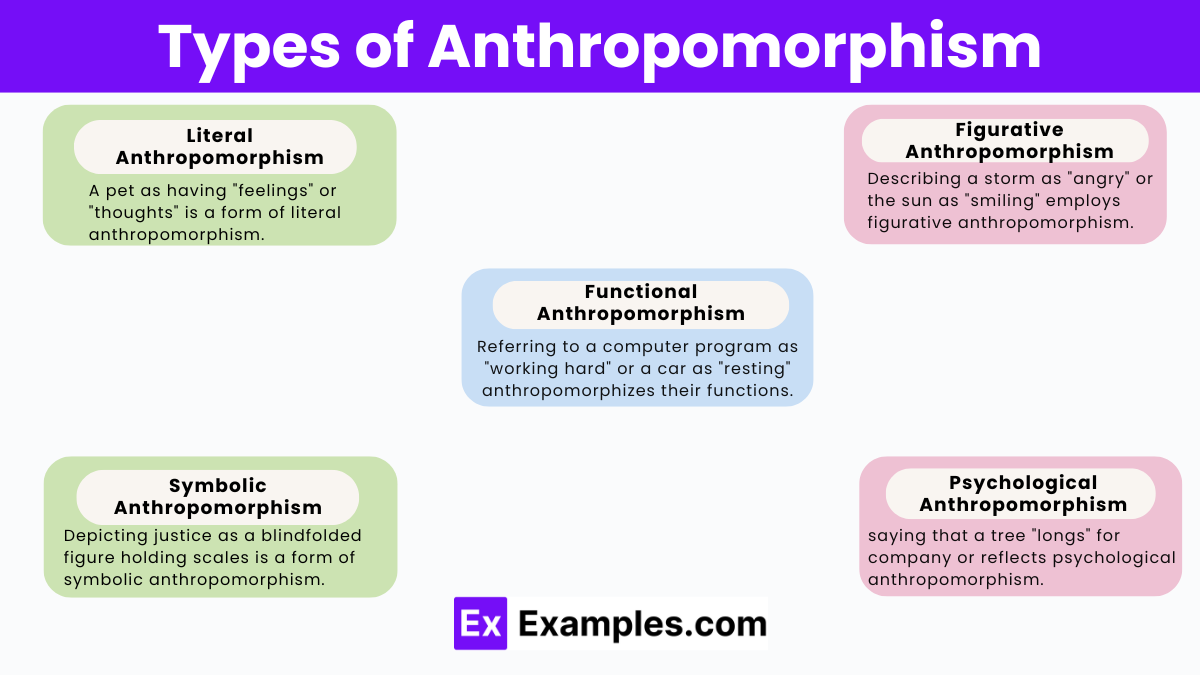
Anthropomorphism—the attribution of human traits, emotions, or intentions to non-human entities—has long fascinated scholars across disciplines, from anthropology to cognitive science. At its core, it reflects our innate tendency to interpret the world through the lens of human experience, a cognitive shortcut that bridges the familiar with the unfamiliar. Yet, when examined through the prism of the theory of mind, a cornerstone of developmental psychology, anthropomorphism reveals itself as more than mere metaphorical indulgence. It becomes a window into how we perceive agency, intentionality, and even consciousness in the world around us. This interplay between anthropomorphism and the theory of mind not only illuminates the mechanics of human cognition but also underscores the fluid boundaries between self and other, animate and inanimate. For readers seeking to unravel the complexities of this phenomenon, this article offers a multifaceted exploration, blending theoretical depth with practical insights.
The Cognitive Foundations of Anthropomorphism: How the Theory of Mind Shapes Perception
The theory of mind posits that humans possess an innate capacity to attribute mental states—beliefs, desires, intentions—to both themselves and others. This cognitive framework is not static; it evolves from infancy through adulthood, refining our ability to navigate social landscapes. Anthropomorphism, in turn, extends this capacity beyond the human realm, allowing us to infer agency in non-human entities. Consider the way a child might chastise a toy for “misbehaving” or how adults anthropomorphize digital assistants by assigning them personalities. These acts are not mere flights of fancy but reflections of a deeply ingrained cognitive process: the intentional stance, as philosopher Daniel Dennett termed it. By adopting this stance, we treat systems—whether they be animals, machines, or natural phenomena—as if they possess goals and motivations, a strategy that simplifies an otherwise chaotic world.
Yet, this cognitive shortcut is not without its pitfalls. The same mechanisms that enable us to empathize with a grieving pet or marvel at the “mood” of a storm can also lead to overattribution, where we misread cues or project human-like qualities onto entities that lack them entirely. The theory of mind, therefore, serves as both a tool and a trap, a duality that shapes how we interact with everything from AI to ecosystems. Understanding this interplay is crucial for fields as diverse as artificial intelligence, where anthropomorphic design can enhance user engagement, and environmental ethics, where it may distort our perception of non-human life.
Anthropomorphism in Artificial Intelligence: Designing Machines with a Human Face
The rise of artificial intelligence has thrust anthropomorphism into the spotlight, as developers increasingly imbue machines with human-like features to foster trust and relatability. Chatbots with conversational quirks, robots with expressive faces, and voice assistants with “personalities” all leverage our predisposition to anthropomorphize. This strategy is rooted in the uncanny valley hypothesis, which suggests that the more an AI resembles a human, the more we expect it to behave like one—until a point where the mismatch between appearance and function triggers discomfort. Yet, beyond mere aesthetics, anthropomorphism in AI serves a functional purpose: it lowers the cognitive load required to interact with technology. A user is more likely to confide in a chatbot framed as a “therapist” than one presented as a cold algorithm.
However, the ethical implications of this design choice are profound. When an AI is anthropomorphized, users may unconsciously assume it possesses true understanding or empathy, a misconception that can lead to overreliance or emotional dependency. Consider the case of elderly individuals forming bonds with companion robots, or children treating AI tutors as infallible authority figures. The theory of mind, in this context, becomes a double-edged sword—it facilitates interaction but also blurs the line between tool and companion. For developers and policymakers, the challenge lies in harnessing anthropomorphism without fostering delusions of agency in machines that lack true consciousness.
The Role of Anthropomorphism in Environmental Ethics and Ecological Awareness
Anthropomorphism is not confined to the digital or mechanical; it permeates our relationship with the natural world. From indigenous cosmologies that personify rivers and mountains to modern environmental campaigns that frame ecosystems as “suffering” or “healing,” the attribution of human traits to nature serves as a powerful rhetorical device. This practice can galvanize conservation efforts by fostering empathy—imagine a campaign that portrays a dying forest as a “wounded elder,” evoking moral outrage and urgency. Yet, it also risks anthropocentric distortion, where human values and narratives overshadow the intrinsic worth of non-human entities.
The theory of mind further complicates this dynamic. When we anthropomorphize a glacier retreating due to climate change, are we projecting our own fears onto an inanimate process, or are we acknowledging a form of agency in natural systems? Some philosophers argue that such anthropomorphism is a necessary step in expanding our moral circle to include non-human actors. Others caution that it may lead to a sentient fallacy, where we conflate ecological processes with human-like suffering. The key lies in balance: using anthropomorphism as a bridge to ecological awareness without erasing the autonomy of the natural world. This nuanced approach is evident in practices like rewilding, where landscapes are restored not as “victims” but as dynamic, self-regulating systems.
Anthropomorphism Across Cultures: A Tapestry of Meaning and Misinterpretation
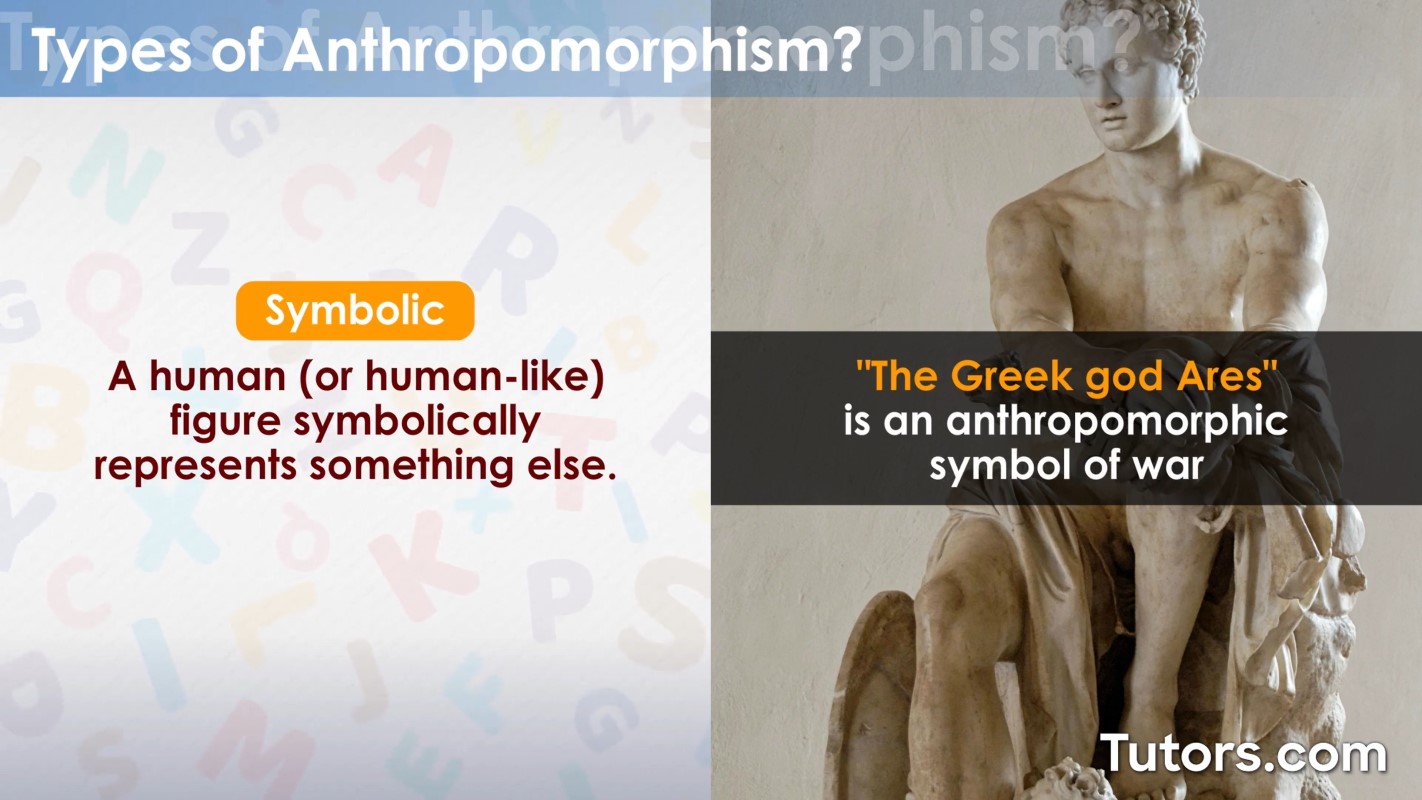
The ways in which different cultures anthropomorphize vary as widely as the cultures themselves. In Western traditions, anthropomorphism often takes the form of mythological deities or allegorical figures, such as the Greek gods who embody human virtues and vices. In contrast, many Indigenous cultures in the Americas and Australia personify natural elements as ancestral beings, imbuing rivers, storms, and animals with genealogical and spiritual significance. These cultural frameworks are not merely decorative; they shape how communities interact with their environments, from hunting practices to agricultural rituals. The theory of mind, when applied cross-culturally, reveals that anthropomorphism is not a universal cognitive quirk but a culturally mediated phenomenon, deeply intertwined with cosmology and social structure.
Yet, this cultural diversity also presents challenges in global discourse. When a Western scientist anthropomorphizes a primate by attributing human-like emotions to its behavior, the interpretation may clash with Indigenous perspectives that view the animal as a kin or a messenger. Similarly, the anthropomorphism of deities in religious texts can lead to misunderstandings when read through a secular lens. For instance, the Hindu concept of avataras, where deities incarnate in animal or human forms, is often misconstrued as literal anthropomorphism by outsiders, obscuring its philosophical depth. Recognizing these cultural nuances is essential for fostering dialogue across disciplines and avoiding the pitfalls of ethnocentrism in anthropomorphic discourse.
Anthropomorphism in Art and Literature: The Power of the Inanimate
Art and literature have long been fertile grounds for anthropomorphism, where inanimate objects, animals, and even abstract concepts are imbued with human-like qualities to evoke emotion and meaning. From Aesop’s fables to Disney’s animated films, anthropomorphism serves as a narrative device that simplifies complex ideas and makes them accessible. In literature, this technique can illuminate the human condition—think of Mary Shelley’s Frankenstein, where the monster’s longing for companionship forces readers to confront their own prejudices. In visual art, anthropomorphism can transform a still life into a tableau of human drama, as seen in the works of Giuseppe Arcimboldo, where fruits and vegetables assemble into human faces.
The theory of mind plays a subtle but critical role in this creative process. When an artist anthropomorphizes a teapot by giving it a face and limbs, the viewer’s brain instinctively fills in the gaps, attributing intention and emotion to the object. This projection is not passive; it is an active engagement with the artwork, a dialogue between creator and audience. For writers and artists, anthropomorphism is a tool to explore themes of identity, power, and empathy. For audiences, it is an invitation to see the world—and themselves—differently. The best anthropomorphic art does not merely entertain; it challenges us to question the boundaries between self and other, human and non-human.
The Future of Anthropomorphism: Ethical Considerations and Emerging Frontiers
As technology advances and our understanding of cognition deepens, the boundaries of anthropomorphism continue to expand. Emerging fields like social robotics and neuroaesthetics are exploring how we might design systems that not only mimic human behavior but also evoke genuine emotional responses. Meanwhile, the study of animal cognition is revealing that some species, such as corvids and cetaceans, may possess rudimentary forms of theory of mind, challenging the notion that anthropomorphism is purely a human construct. These developments raise pressing ethical questions: How should we treat entities that blur the line between tool and companion? Can we ethically anthropomorphize AI without deceiving users about its capabilities?
One promising frontier is the integration of anthropomorphism with embodied cognition, the idea that our bodies shape our thoughts and perceptions. By designing robots with human-like physicality or virtual avatars that respond to touch, developers can create more intuitive interactions. However, this approach must be tempered by transparency—users should be aware when they are interacting with an anthropomorphized system, lest they fall prey to automation bias, the tendency to trust machines implicitly. The future of anthropomorphism lies not in erasing the line between human and machine but in navigating it with clarity, empathy, and ethical rigor.