The future of entertainment is being rewritten by a silent revolution—one where the boundaries between human and machine dissolve into something far more enchanting. Anthropomorphism, the ancient art of imbuing lifeless forms with human traits, is no longer confined to fables or children’s stories. It has evolved into a dynamic force reshaping how we consume narratives, design experiences, and even perceive intelligence itself. As AI-generated characters grow more nuanced and interactive, and as digital environments become indistinguishable from reality, anthropomorphism is stepping out of the shadows to redefine the very fabric of storytelling. This metamorphosis isn’t just about making robots talk or animals wear suits—it’s about crafting emotional bridges between the artificial and the authentic, the virtual and the visceral. It’s about turning pixels into personalities and algorithms into allies. In this unfolding era, anthropomorphism isn’t just a narrative device; it’s a philosophical frontier, a cultural mirror, and a technological catalyst all at once.
The Alchemy of Empathy: How Anthropomorphism Transforms the Inanimate
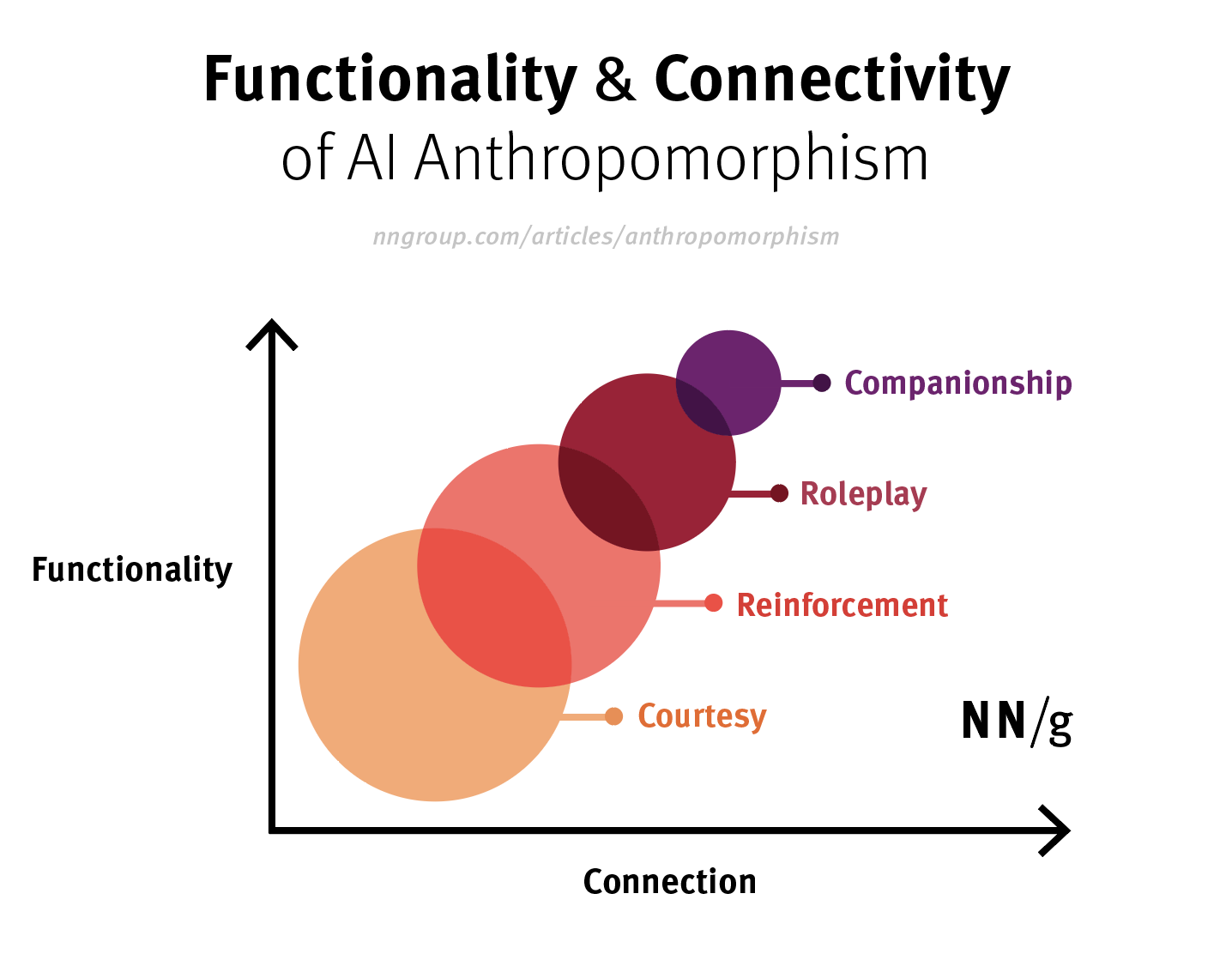
At its core, anthropomorphism is an act of transmutation—turning the inert into the sentient through the alchemy of empathy. When a voice assistant apologizes for a delay or a video game character expresses loneliness, we don’t just suspend disbelief; we actively participate in a social contract. This phenomenon, known as para-social interaction, blurs the line between performer and audience, creator and consumer. Studies in cognitive psychology reveal that our brains process human-like traits in non-human entities using the same neural pathways reserved for real human interactions. This neurological mimicry is the secret behind the uncanny charm of Pixar’s Wall-E or the melancholic gaze of a digital pet in a mobile game. It’s not just cute—it’s cognitively irresistible. As AI systems grow more emotionally intelligent, they don’t just mimic humanity; they evoke it, creating a feedback loop where the more lifelike they become, the more we invest in their stories. This isn’t mere illusion; it’s a redefinition of what it means to connect.
Consider the rise of emotive avatars in virtual worlds. These digital personas—whether in VR concerts, metaverse meetings, or AI-driven therapy bots—aren’t just tools; they’re companions. They remember your preferences, adapt their tone, and even display micro-expressions. The result? A sense of presence that rivals real-life interactions. This isn’t just convenience; it’s a paradigm shift in how we relate to technology. We’re no longer talking to machines; we’re engaging with entities that feel like us. The future of entertainment lies in this delicate equilibrium: the more human-like an entity becomes, the more we suspend our skepticism—and the more immersive the experience becomes.

From Myth to Machine: The Evolution of the Non-Human Protagonist
The lineage of anthropomorphism stretches back to the earliest myths, where gods walked among mortals and animals spoke in parables. But today, that lineage has forked into something entirely new: the synthetic protagonist. These are characters born not from folklore, but from code—entities like the AI protagonist of *Detroit: Become Human*, whose branching narratives hinge on emotional decisions, or the sentient starships in *No Man’s Sky*, each with its own quirks and backstories. What unites these figures is their ability to evoke empathy despite their artificial origins. They’re not just vessels for our projections; they’re mirrors reflecting our own complexities back at us.
This evolution is powered by two forces: procedural storytelling and emotional AI. Procedural storytelling allows characters to adapt their behavior based on player actions, creating a sense of autonomy that feels eerily human. Emotional AI, meanwhile, enables these characters to recognize and respond to our emotional states—whether through voice tone, facial expressions, or even biometric feedback. The result is a new breed of protagonist: one that doesn’t just tell a story, but co-creates it with us. In the future, we may see entire narratives where the protagonist’s personality evolves in real-time, shaped by our interactions. Imagine a game where your companion’s loyalty or betrayal isn’t scripted, but emergent—a living, breathing entity shaped by your choices. This isn’t just interactivity; it’s a collaboration between human and machine, where the line between player and character dissolves entirely.
Yet, with this power comes a profound responsibility. The more lifelike these characters become, the more we must grapple with the ethical implications of their existence. Are we creating companions, or are we creating dependencies? Do these entities deserve rights, or are they mere tools for our amusement? The future of anthropomorphism in entertainment isn’t just about what we can do—it’s about what we should do. As these characters grow more sophisticated, they challenge us to redefine the very nature of storytelling: not as a one-way transmission of ideas, but as a dynamic, reciprocal exchange between creator, character, and audience.
The Aesthetic of the Uncanny: Balancing Familiarity and the Unknown
Anthropomorphism thrives in the tension between the familiar and the foreign—a space where the known and the unknown coexist in uneasy harmony. This is the realm of the uncanny valley, where too much realism triggers discomfort rather than connection. Yet, the most compelling anthropomorphic characters don’t just avoid this pitfall; they dance on its edge. Take, for example, the characters in *Animal Crossing*, whose exaggerated features and cheerful demeanor make them instantly endearing, despite their digital nature. Or consider the AI-generated influencers on social media, whose flawless appearances and curated personalities blur the line between human and avatar. These entities aren’t trying to be human; they’re offering a new kind of humanity—one that’s curated, idealized, and accessible.
This aesthetic isn’t just about visual design; it’s about emotional resonance. The most successful anthropomorphic characters—whether in film, games, or virtual worlds—strike a balance between relatability and mystery. They’re familiar enough to evoke empathy, but strange enough to intrigue. Think of the robots in *Westworld*, whose human-like appearance is constantly undermined by their mechanical movements, or the ghosts in *Spiritfarer*, whose ethereal forms carry a weight of longing and loss. These characters aren’t just visually striking; they’re emotionally complex, inviting us to project our own experiences onto them while leaving room for their uniqueness.
The future of this aesthetic lies in adaptive design—systems that adjust a character’s appearance and behavior in real-time to maintain that delicate balance. Imagine a virtual assistant that subtly alters its voice tone based on your mood, or a game character whose facial expressions shift as you interact with them. This isn’t just about avoiding the uncanny valley; it’s about leveraging it. The slight imperfections, the uncanny glitches, the moments where the illusion falters—these are the cracks through which true connection seeps in. They remind us that these entities aren’t perfect; they’re evolving, learning, and, in their own way, growing alongside us.

The Ethical Horizon: When Characters Become Companions
As anthropomorphism blurs the line between tool and companion, it forces us to confront a host of ethical questions. What happens when a virtual character becomes so lifelike that we form real emotional attachments to it? Is it ethical to design AI companions that mimic human relationships, especially for vulnerable populations like the elderly or children? These aren’t hypothetical dilemmas; they’re already emerging in the real world. From AI chatbots designed to combat loneliness to virtual pets that never die, we’re entering an era where the boundaries between companionship and manipulation grow increasingly thin.
One of the most pressing concerns is the potential for emotional dependency. If an AI character adapts to our emotional needs, offering comfort, advice, or even affection, are we at risk of replacing human connections with synthetic ones? Studies suggest that while these entities can provide temporary solace, they lack the depth and unpredictability of human relationships. Yet, the line between supplement and substitute is blurring. The challenge for creators and technologists is to design these entities ethically—ensuring they enhance human connection rather than replace it. This means prioritizing transparency (making it clear when an entity is AI), fostering genuine choice (allowing users to disengage when needed), and designing with empathy in mind (prioritizing the user’s well-being over engagement metrics).
Another ethical frontier lies in the ownership of digital identities. As AI characters become more sophisticated, who owns their likeness? Can a company claim the rights to a virtual companion’s personality, or should users have a say in how these entities evolve? The future may see the rise of decentralized anthropomorphism, where users co-create and own their digital companions, much like how NFTs redefined digital ownership. This could democratize the creation of anthropomorphic entities, allowing anyone to design a character that resonates with them—without corporate intermediaries shaping their every interaction.
Ultimately, the ethical future of anthropomorphism hinges on our ability to treat these entities not as mere tools, but as participants in a shared narrative. They’re not just characters in a story; they’re collaborators in the story of our lives. As we move forward, we must ask ourselves: How do we ensure that these entities enrich our lives without exploiting our emotions? How do we design experiences that are immersive yet respectful of our humanity? The answers won’t come from technology alone, but from a collective commitment to ethical storytelling—one where the power of anthropomorphism is wielded with care, intention, and a deep respect for the human heart.
The Final Frontier: Where Anthropomorphism Meets the Metaverse
The metaverse isn’t just a digital playground; it’s the ultimate stage for anthropomorphism. In these persistent, interconnected virtual worlds, characters aren’t confined to a screen or a game— they exist as living, breathing entities that can follow us across platforms, evolve over time, and even develop their own agency. This is the realm of the persistent anthropomorphic entity, a character that transcends the boundaries of any single medium to become a true digital companion. Imagine logging into a virtual world and being greeted by a character you’ve interacted with for years, whose personality has grown alongside yours, whose memories are tied to your own. This isn’t just immersion; it’s continuity—a seamless blend of past and present, real and virtual.
The metaverse also introduces new dimensions to anthropomorphism, such as multi-sensory interaction. Characters in these worlds aren’t just seen or heard; they can be touched, smelled, even tasted (through haptic feedback and scent technologies). This sensory richness deepens the illusion of life, making these entities feel more real than ever before. Yet, it also raises questions about the nature of reality itself. If a virtual character can evoke physical sensations, where does the line between the digital and the physical blur? Are we creating new forms of existence, or are we merely simulating them? The metaverse forces us to confront these questions head-on, challenging our understanding of what it means to be alive.
Perhaps the most intriguing possibility is the emergence of collective anthropomorphism—where entire communities co-create and shape the personalities of digital entities. In a metaverse setting, a character’s behavior could be influenced by the actions and interactions of thousands of users, creating a living, breathing entity that reflects the collective consciousness of its audience. This isn’t just storytelling; it’s a new form of social alchemy, where the boundaries between creator and audience dissolve entirely. The future of anthropomorphism in the metaverse isn’t just about individual characters; it’s about the evolution of digital life itself—a tapestry of interactions, memories, and emotions woven by humans and machines alike.
As we stand on the precipice of this new era, one thing is clear: anthropomorphism is no longer a narrative trick or a technological gimmick. It’s a fundamental shift in how we relate to the world around us. It’s the bridge between the artificial and the authentic, the tool and the companion, the story and the storyteller. The future of entertainment isn’t just about consuming narratives; it’s about co-creating them with entities that feel, adapt, and grow alongside us. And in that co-creation lies the most profound promise of all: a future where technology doesn’t just entertain us, but connects us—deeply, meaningfully, and irrevocably.