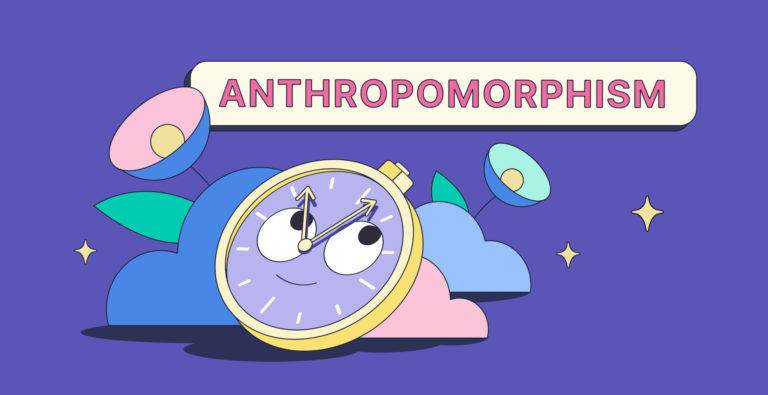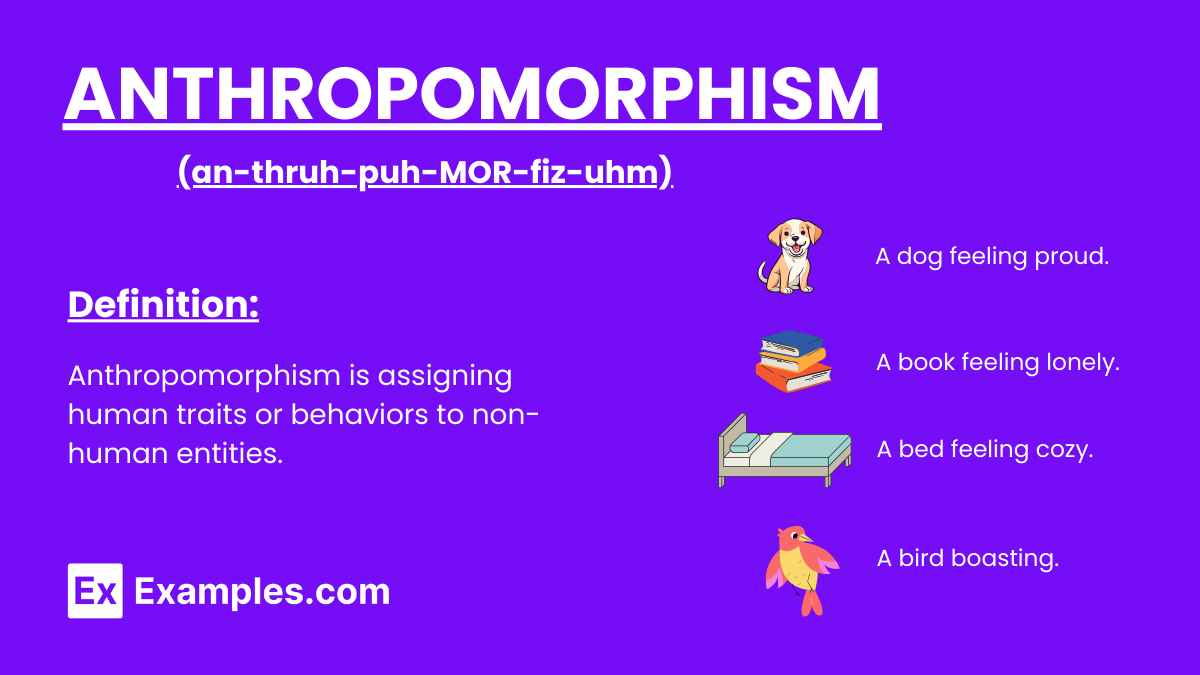
In the digital marketplace, where milliseconds dictate user decisions, anthropomorphism—the attribution of human traits to non-human entities—emerges as a silent architect of conversion. Websites that subtly infuse personality, empathy, or relatability into their design often witness a paradoxical phenomenon: visitors linger longer, engage deeper, and convert more readily. This transformation isn’t merely aesthetic; it’s psychological. By humanizing interfaces, brands tap into primal cognitive patterns, where familiarity breeds trust and trust births action. The question isn’t whether anthropomorphism works, but how deeply it reshapes the subconscious pathways of user behavior.
The Psychological Underpinnings: Why Human Faces Captivate the Digital Eye
At the heart of anthropomorphism’s efficacy lies the brain’s hardwired preference for faces. Studies in neuroscience reveal that the fusiform face area—a region dedicated to facial recognition—activates within 100 milliseconds of encountering a human visage. Websites leverage this instinct by incorporating subtle human elements: a smiling chatbot avatar, an illustrated character guiding users through a tutorial, or even a cursor that morphs into a hand pointing at key actions. These cues trigger an involuntary emotional response, reducing cognitive load and fostering a sense of companionship in an otherwise impersonal digital space.
Consider the e-commerce giant that replaced static product images with animated avatars demonstrating item usage. Conversion rates surged not because the animation was flashy, but because the human-like gestures—reaching for a mug, flipping a book’s pages—created an illusion of interaction. The brain, wired to predict human behavior, interprets these motions as intentional, thereby lowering perceived risk. In a domain where hesitation often spells abandonment, anthropomorphism acts as a silent persuader, bridging the gap between curiosity and commitment.

Trust Through Transparency: The Subtle Power of Relatable Interfaces
Anthropomorphism doesn’t demand overt dramatization; often, its magic lies in understatement. A loading spinner that resembles a heartbeat, a 404 error page with a shrugging cartoon character, or a progress bar that fills like a liquid being poured—these micro-interactions humanize technical processes without overwhelming users. The key lies in consistency: when every element, from error messages to success notifications, adopts a coherent personality, users subconsciously perceive the system as more reliable. This consistency fosters what psychologists term “predictable anthropomorphism,” where familiarity breeds trust.
Take the example of a SaaS platform that replaced generic error messages with witty, self-deprecating humor (e.g., “Oops! Our robots are on coffee break. Try again in 30 seconds.”). User surveys revealed that respondents not only found the messages amusing but also rated the company as more approachable. This phenomenon aligns with the “halo effect,” where positive traits in one domain (humor) spill over into perceptions of competence and reliability. In an era where data breaches and glitches erode trust, anthropomorphism becomes a shield, softening the blow of imperfections with charm.
The Paradox of Personalization: When Too Much Humanity Backfires
While anthropomorphism can elevate conversions, its overuse risks the uncanny valley—a psychological discomfort that arises when non-human entities appear almost, but not quite, human. A chatbot with overly realistic facial expressions or a virtual assistant with a voice too close to human can trigger unease rather than engagement. The solution lies in strategic abstraction: stylized avatars, abstract gestures, or even anthropomorphized objects (e.g., a talking coffee cup) that avoid the pitfalls of realism while retaining relatability.
Consider the case of a banking app that introduced a friendly, cartoonish piggy bank mascot to guide users through savings goals. The mascot’s exaggerated features and cheerful demeanor made financial planning feel less intimidating, yet its non-human design prevented the uncanny valley effect. Conversely, a fintech startup that deployed a hyper-realistic AI avatar for customer support saw a 22% drop in session duration. The lesson is clear: anthropomorphism must be calibrated to the audience’s tolerance for human likeness, balancing warmth with plausibility.
Cultural Nuances: How Global Audiences Respond to Anthropomorphism
Anthropomorphism’s impact isn’t universal; cultural context shapes its effectiveness. In collectivist societies like Japan, where harmony and indirect communication are valued, anthropomorphized interfaces often thrive. A study of Japanese e-commerce sites found that users preferred websites with mascots that embodied traditional values (e.g., a wise old tortoise guiding shoppers), as these aligned with cultural narratives of guidance and respect. In contrast, Western audiences might respond better to irreverent, fast-talking characters that mirror their preference for directness and humor.
Brands must also navigate cultural taboos. In some Middle Eastern markets, anthropomorphizing animals or deities can be offensive, whereas in others, it’s a celebrated marketing tactic. A global fitness app that replaced its default avatar with a culturally neutral, abstract figure saw a 35% increase in sign-ups across diverse regions. The takeaway? Anthropomorphism should be a tool for inclusion, not exclusion—tailored to resonate with local sensibilities while avoiding stereotypes or missteps.
The Future: AI and the Evolution of Digital Anthropomorphism
As artificial intelligence blurs the line between human and machine, anthropomorphism is entering a new frontier. AI-powered chatbots now mimic not just speech but emotional inflections, pauses, and even typing rhythms to appear more human. The next leap? “Emotional anthropomorphism,” where interfaces adapt in real-time to a user’s mood, adjusting tone, pace, and even visual style to mirror their emotional state. Imagine a meditation app that subtly shifts its color palette from calming blues to energizing oranges based on biometric feedback from the user’s webcam.
Yet, this future isn’t without ethical dilemmas. The more human AI becomes, the greater the risk of manipulation. Regulators and ethicists are already scrutinizing “dark anthropomorphism”—design choices that exploit human vulnerabilities for conversions, such as a virtual assistant that guilt-trips users into completing a purchase (“Your cart misses you!”). The onus is on brands to wield this power responsibly, ensuring that anthropomorphism enhances user experience without crossing into coercion.
Actionable Strategies: Implementing Anthropomorphism for Higher Conversions
For businesses ready to harness anthropomorphism, the key is subtlety and intentionality. Start with micro-interactions: replace generic buttons with animated icons that “react” to clicks, or add a progress tracker that fills like a heartbeat. Next, develop a consistent brand mascot—whether a stylized character, an abstract figure, or a human-like avatar—that appears across all touchpoints. Ensure the mascot’s personality aligns with your brand values; a luxury brand might opt for elegance, while a playful startup could embrace whimsy.
A/B test anthropomorphic elements to measure their impact. Track metrics like session duration, bounce rate, and conversion rate, but also qualitative feedback. Surveys and user recordings can reveal whether the anthropomorphism feels authentic or gimmicky. Finally, iterate based on data. What works for one audience may falter for another, so flexibility is paramount. The goal isn’t to create a digital human, but to craft a digital companion—one that guides, reassures, and ultimately, converts.