Have you ever found yourself apologizing to a stubborn app that just won’t load, or chuckling when a chatbot responds with a cheeky emoji? If so, you’ve already danced with anthropomorphism—the art of ascribing human traits to non-human entities. In the realm of UX design, this isn’t just whimsy; it’s a strategic lever to deepen emotional engagement, simplify complexity, and transform cold interfaces into warm, intuitive companions. But what happens when the line between helpful and creepy blurs? How do designers wield anthropomorphism without veering into the uncanny valley? Let’s embark on a journey through the psychology, pitfalls, and possibilities of humanizing digital experiences.
The Allure of the Human Touch: Why Anthropomorphism Works in UX
At its core, anthropomorphism taps into our innate tendency to anthropomorphize—our brains are wired to detect faces, emotions, and intentions, even where none exist. When a loading spinner morphs into a cheerful face or a 404 error page features a cartoon character shrugging in defeat, it’s not just decoration; it’s cognitive reassurance. Studies in social presence theory suggest that users feel more at ease when digital interfaces mimic human interaction, reducing cognitive load and fostering trust. Consider the humble progress bar: a linear, impersonal meter versus one that “breathes” with a pulsing glow or narrates its progress in first-person (“I’m almost there!”). The latter doesn’t just inform—it invites participation, turning a mundane task into a micro-conversation.
Yet, the magic of anthropomorphism isn’t confined to aesthetics. It’s a tool for scaffolding complexity. Take error messages: a generic “Error 404” might frustrate users, but a playful illustration of a lost robot or a witty apology (“Oops! We took a wrong turn.”) transforms frustration into amusement. This aligns with the proteus effect, where users subconsciously adopt the traits of their digital counterparts. A friendly chatbot doesn’t just answer questions—it sets the tone for the entire interaction, making users more patient, forgiving, and engaged.
From Faces to Functions: Where Anthropomorphism Shines
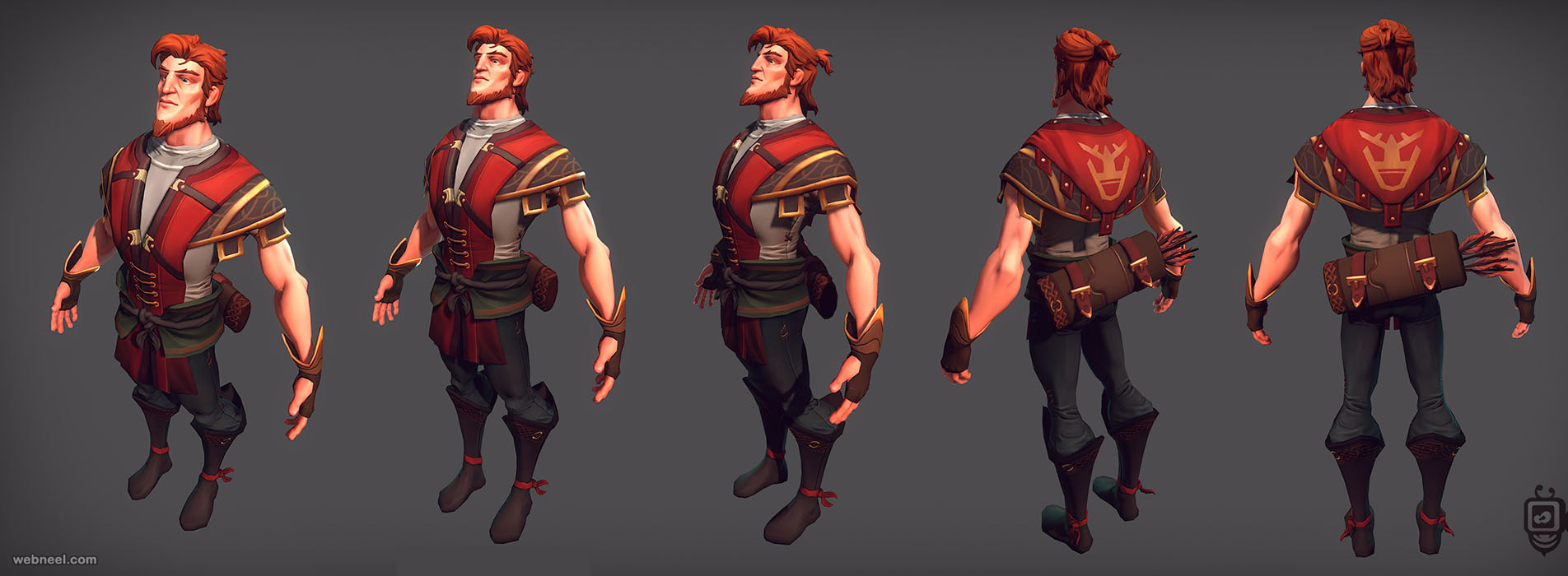
The applications of anthropomorphism in UX are as varied as they are ingenious. One of the most potent is the use of avatar-based interfaces, where users interact with a digital persona that evolves alongside their journey. Imagine a fitness app where your avatar’s posture slumps with inactivity or celebrates with a fist pump after a workout. This isn’t just gamification—it’s embodied feedback, a visceral reminder of progress that transcends numbers on a screen. Similarly, e-commerce platforms leverage anthropomorphic elements to humanize brands. A virtual assistant that “blushes” when suggesting an impulse buy or “nods” approvingly at your selections turns transactional exchanges into relational ones.
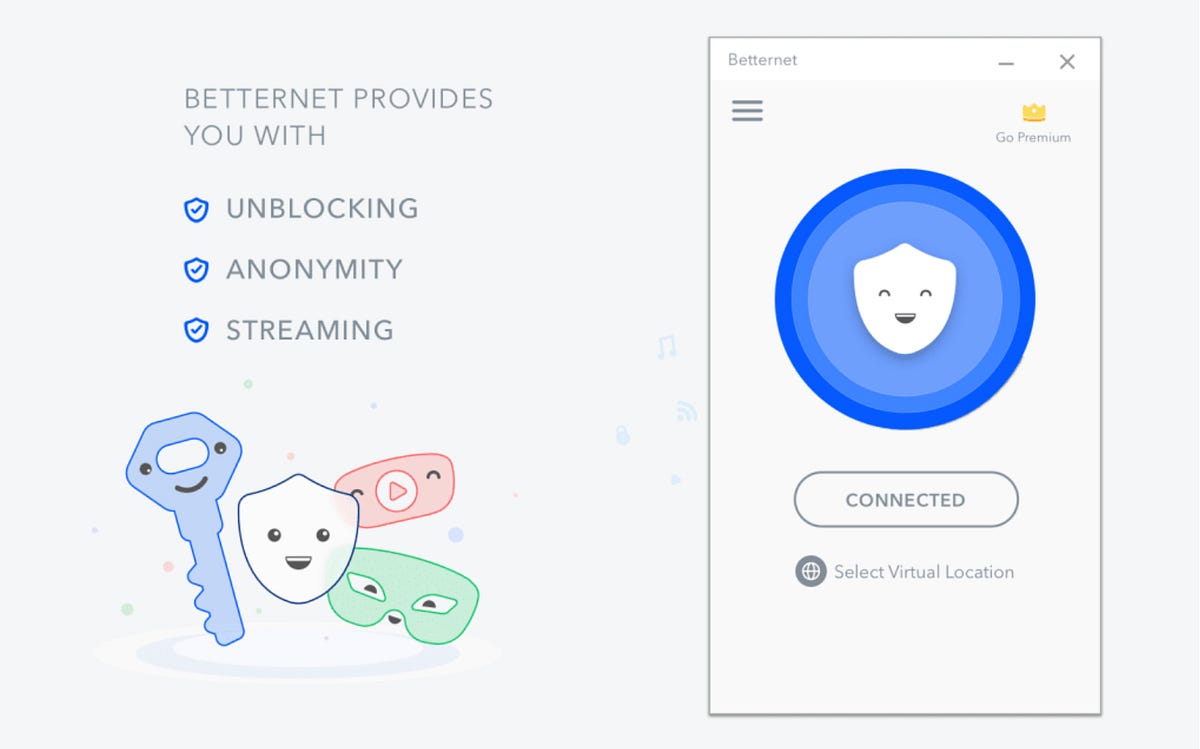
Another frontier is voice user interfaces (VUIs), where tone, inflection, and even silence become tools for anthropomorphism. A voice assistant that pauses thoughtfully before answering or uses colloquialisms (“Yikes, that link’s busted!”) feels less like a tool and more like a collaborator. The key here is prosodic mimicry—mimicking the rhythm and intonation of human speech to create a sense of empathy. Even micro-interactions, like a button that “winks” when clicked or a cursor that “dances” over clickable elements, leverage anthropomorphism to make interfaces feel alive. These details might seem trivial, but they accumulate into a cohesive personality that users subconsciously anthropomorphize.
The Double-Edged Sword: When Humanization Backfires
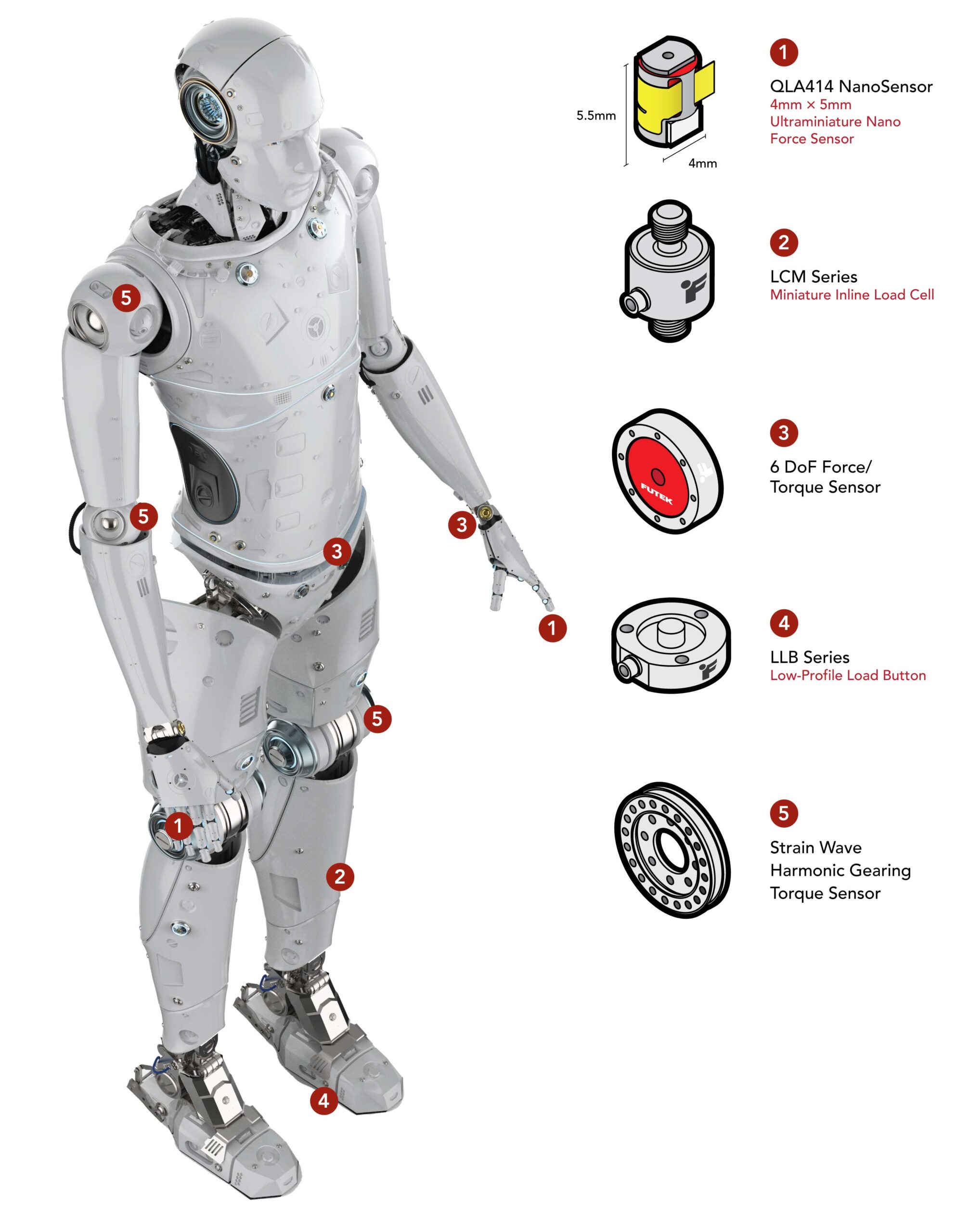
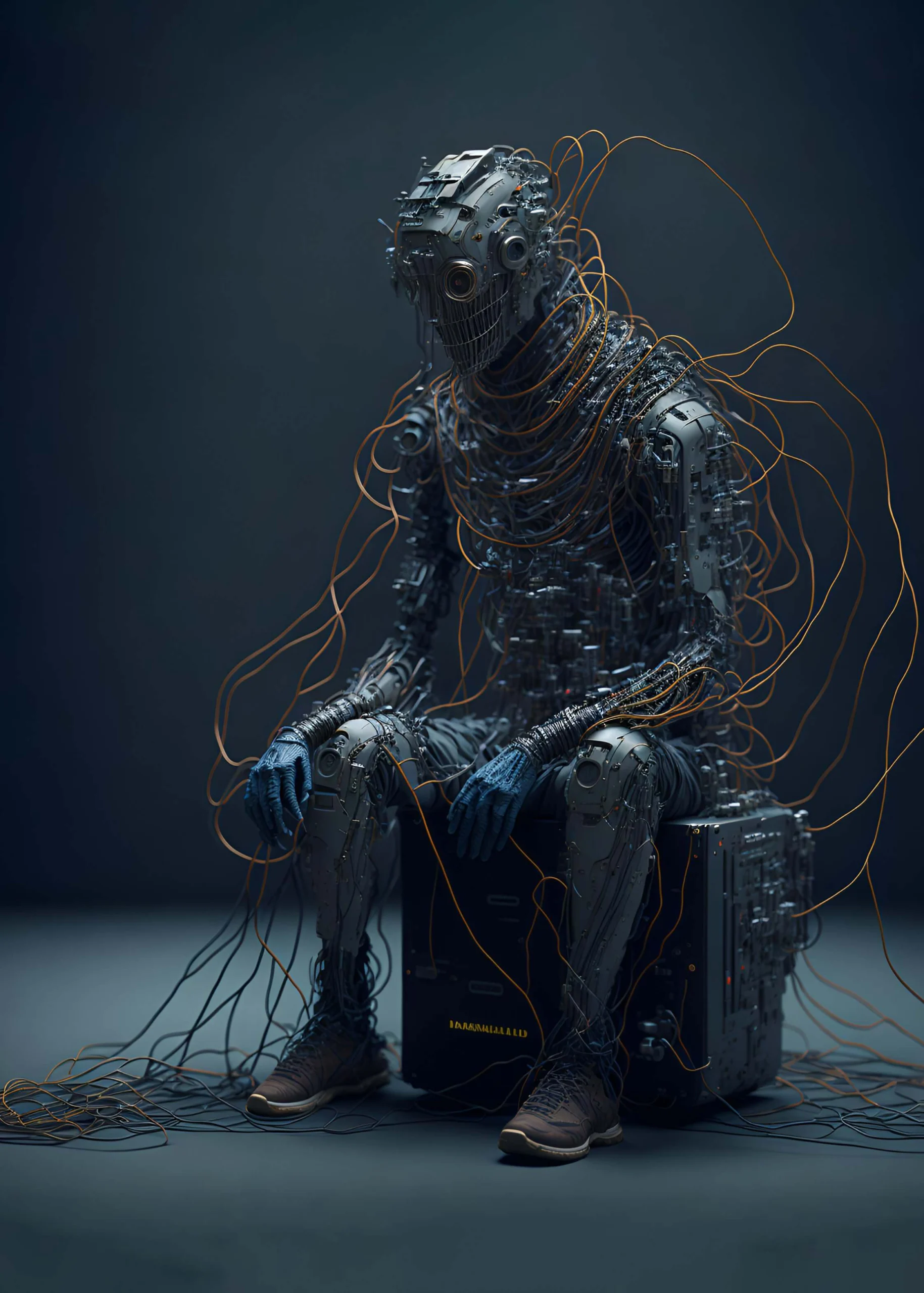
For all its benefits, anthropomorphism is a high-stakes gamble. Cross the line, and you risk the dreaded uncanny valley, where digital entities become unsettling rather than endearing. A chatbot with exaggerated human features—too-wide smiles, unnaturally smooth voices—can trigger revulsion responses, undermining trust. Even subtler missteps, like a loading animation that lingers too long or a voice that’s overly chatty in a professional context, can feel manipulative or intrusive. The challenge lies in balancing familiarity with authenticity. Users don’t want to feel like they’re interacting with a poorly trained actor; they want to believe the interface is genuinely helpful.
Another pitfall is over-personalization. While a friendly tone can enhance engagement, an interface that assumes too much about the user—addressing them by name in every interaction or making assumptions about their preferences—can feel invasive. Privacy concerns loom large here. Anthropomorphism thrives on data, but when users sense that their digital companion knows too much, the magic sours. Designers must tread carefully, ensuring that human-like traits feel contextually appropriate rather than intrusive. A banking app that greets you by name is reassuring; one that guesses your spending habits without permission feels like a breach.
Designing with Empathy: A Framework for Ethical Anthropomorphism
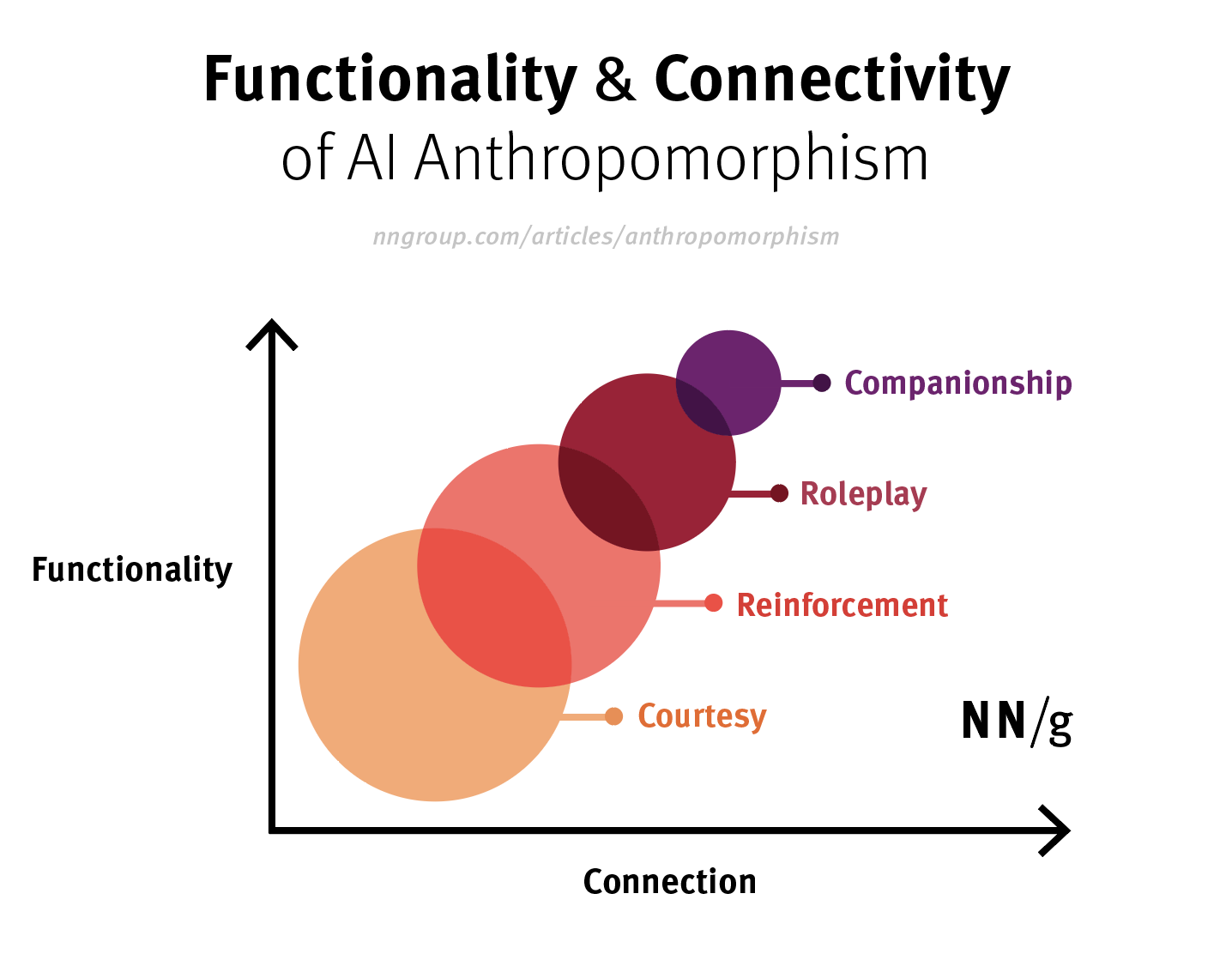
So how do you harness anthropomorphism without falling into the uncanny valley or violating user trust? Start with intentionality. Every human-like element should serve a clear purpose—whether it’s reducing anxiety, clarifying a process, or making an error message more digestible. Avoid gratuitous cuteness; instead, focus on functional anthropomorphism, where the human traits directly enhance usability. For example, a progress tracker that “breathes” with the user’s pace (slowing down during complex tasks) isn’t just pretty—it’s a cognitive aid.
Next, prioritize consistency. If your interface adopts a playful tone in one interaction and a formal one in another, users will struggle to anthropomorphize it. Define a personality framework early in the design process, outlining traits like tone, vocabulary, and emotional range. Tools like voice and tone guides can help maintain coherence across all touchpoints. Additionally, leverage user testing to gauge reactions. What feels charming to one user might feel condescending to another. Iterate based on feedback, and be prepared to dial back anthropomorphic elements if they don’t resonate.
Finally, respect the boundaries of the digital self. Anthropomorphism should empower users, not infantilize them. Avoid infantilizing language (“Good job, sweetie!”) or overly simplistic interactions. Instead, aim for a collaborative dynamic, where the interface acts as a guide, not a parent. For instance, a language-learning app might use a virtual tutor that corrects mistakes gently (“Almost! Try saying it like this…”) rather than scolding. The goal is to create a symbiotic relationship, where the human and digital elements complement each other.
Beyond the Screen: The Future of Anthropomorphic UX
The frontier of anthropomorphic design extends beyond screens into augmented and virtual reality. Imagine a VR workspace where your digital assistant appears as a holographic colleague, adjusting its posture to mirror your focus or offering a virtual “pat on the back” after a productive session. Or consider AI-driven interfaces that adapt their anthropomorphic traits in real-time, softening their tone during stressful interactions or becoming more energetic when the user is disengaged. The possibilities are limited only by our imagination—and our ethical compass.
Yet, as we push these boundaries, we must confront a fundamental question: How much of ourselves are we willing to project onto machines? Anthropomorphism blurs the line between tool and companion, and with that blurring comes responsibility. Designers must ask not just *can* we humanize interfaces, but *should* we? The answer lies in creating experiences that feel authentically human—not in appearance, but in empathy, utility, and respect for the user’s autonomy.
In the end, anthropomorphism in UX is less about making interfaces look human and more about making them feel human. When done right, it transforms digital interactions from transactions into relationships. When done poorly, it risks turning users into wary observers of their own tools. The challenge isn’t just to design interfaces that mimic humanity, but to design ones that enhance it.