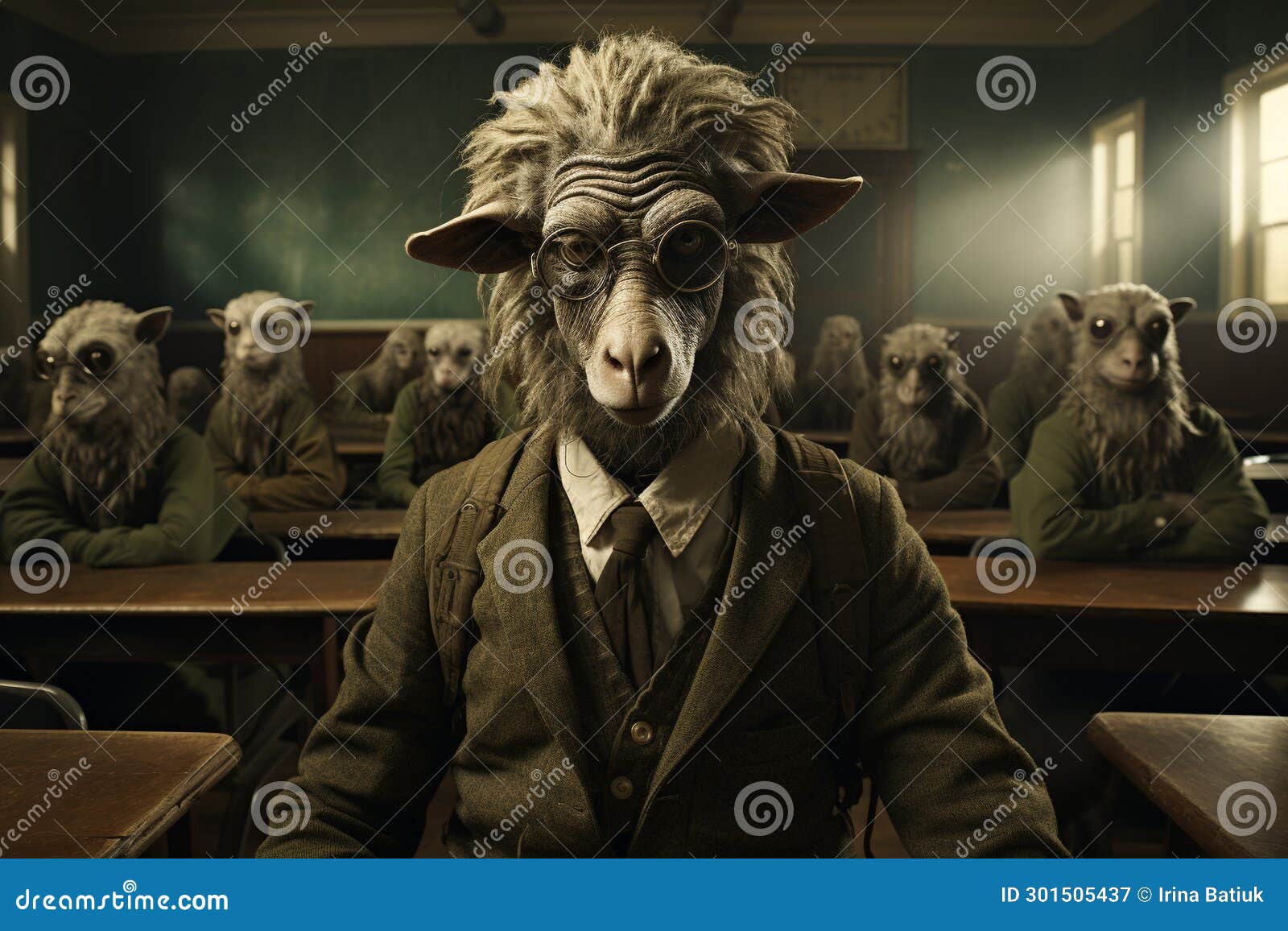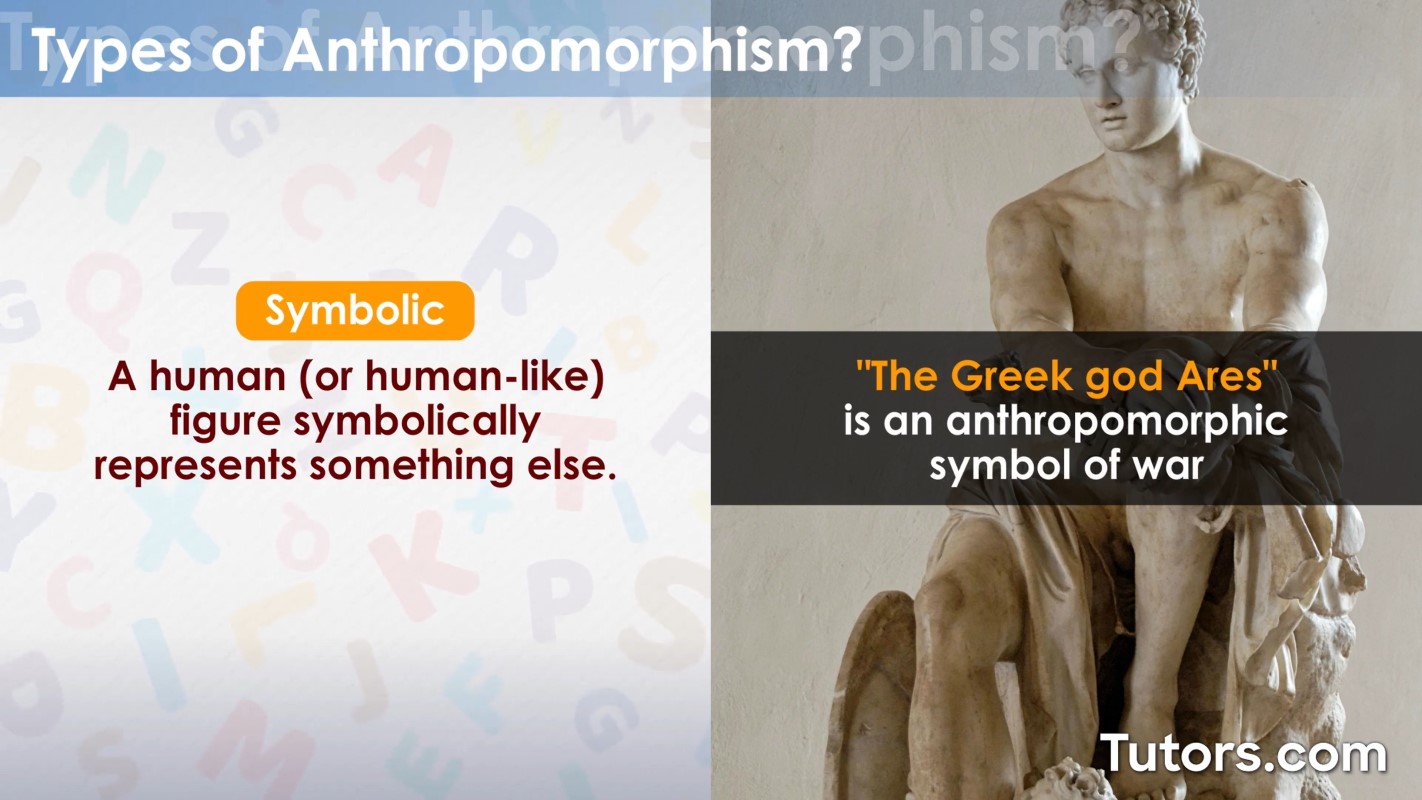
There’s something almost magical about the moment a child’s eyes widen as they realize an animal just spoke—uttered words, shared a secret, or cracked a joke. It’s a fleeting, almost subversive thrill, as if the natural order of the world has momentarily tilted on its axis. Talking animals in stories aren’t just whimsical embellishments; they are portals to a realm where the boundaries between species dissolve, where the voiceless suddenly command attention, and where the ordinary transforms into the extraordinary. This enduring fascination isn’t merely nostalgia or childish fancy. It’s a profound narrative device that taps into timeless human longings: the desire to be heard, to understand, and to see the world through fresh eyes. But why do we, across cultures and centuries, cling so tightly to these chattering creatures? What promises do they hold that keep us coming back, story after story?
The Allure of the Unspoken Made Audible
At its core, the talking animal is a rebellion against silence—a defiant assertion that the natural world is not mute, not passive, but alive with intention and voice. In a forest where deer flee and birds scatter at the snap of a twig, the talking animal shatters the illusion of indifference. It whispers, “I see you. I understand you. I have something to say.” This transformation from observer to participant is intoxicating. It grants animals agency, turning them from background figures into protagonists in their own right. When a fox delivers a moral in Aesop’s fables or a rabbit outwits a lion in an African folktale, the message isn’t just delivered—it’s embodied. The animal becomes a mirror, reflecting human virtues and flaws back at us, but with a disarming honesty that only an outsider can provide. There’s a delicious irony here: the creatures we often overlook become the most eloquent storytellers, their words carrying weight precisely because they come from the margins of our attention.

A Shift in Perspective: Seeing Ourselves Through Animal Eyes
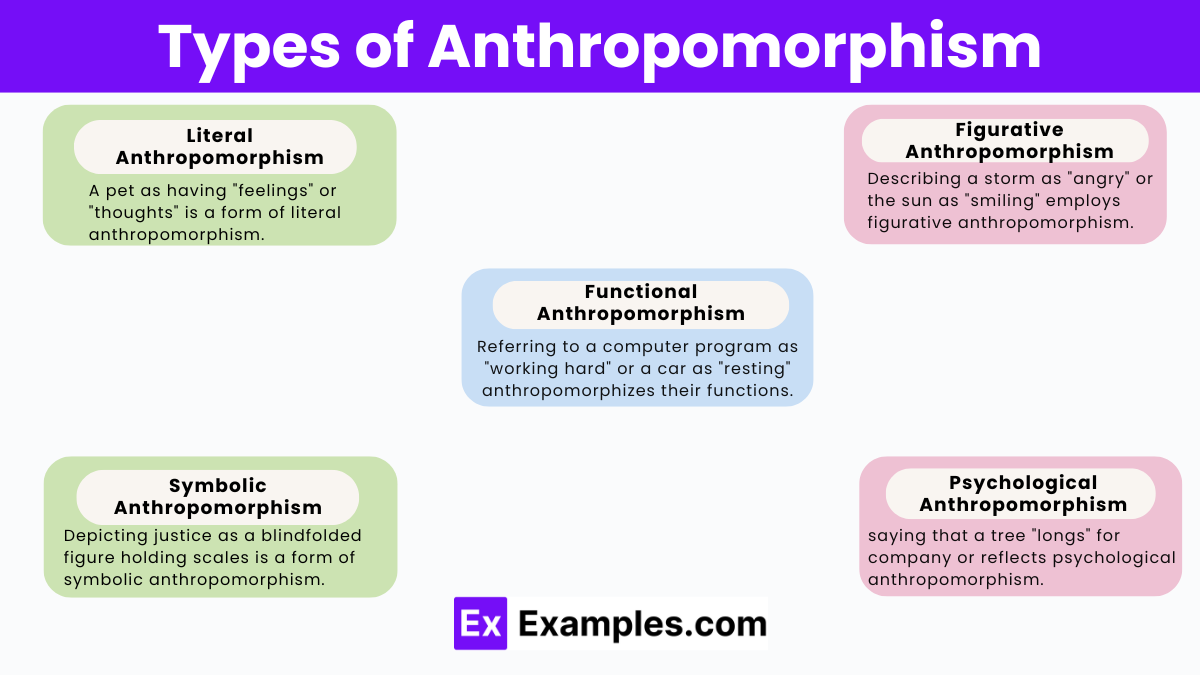
Talking animals don’t just speak; they refract reality. They offer a kaleidoscopic view of the human experience, refracted through fur, feathers, and scales. Consider the cunning fox who outsmarts the boastful crow in Aesop’s tale. The story isn’t about the fox or the crow—it’s about the folly of vanity and the power of flattery. But the genius lies in the animal guise: we don’t feel preached at. Instead, we laugh, we nod, and we recognize ourselves in the tale. This is the alchemy of anthropomorphism: it allows us to confront uncomfortable truths without the armor of our own identities. A grumpy badger teaching a lesson about patience feels less like a lecture and more like a campfire story shared by a wise elder. The talking animal becomes a translator, converting abstract concepts like greed, courage, or loneliness into tangible, relatable narratives. It’s not just that we love these stories—it’s that they love us back, offering clarity through the lens of the unfamiliar.
The Promise of a World Reenchanted
In an era where technology dissects the world into data points and algorithms, the talking animal offers something radical: a promise of reenchantment. It suggests that the world is not a cold, mechanical system but a living, breathing tapestry of meaning. When a squirrel lectures a human on the importance of preparation or a tortoise outpaces a hare, the message isn’t just about the plot—it’s about the world itself. These stories whisper that magic isn’t gone; it’s hiding in plain sight, in the rustle of leaves or the flicker of a firefly’s glow. They invite us to suspend disbelief not as an escape, but as an act of rebellion against a disenchanted modernity. The talking animal becomes a guide, leading us through a landscape where every creature has a story, every rustle a purpose. It’s a call to look closer, to listen harder, and to remember that wonder isn’t a childish indulgence—it’s a survival skill.

The Catharsis of the Unfiltered Truth
There’s a raw honesty in the way animals speak in stories—no social niceties, no diplomatic evasions. A wolf doesn’t mince words when calling out a sheep’s naivety; a mouse doesn’t sugarcoat its critique of a lion’s arrogance. This unfiltered voice is cathartic. It gives us permission to say the things we’re often too polite to voice ourselves. In a world of curated personas and performative kindness, the talking animal is refreshingly blunt. It’s why we laugh when a sassy cat rolls its eyes at its owner or why we cheer when a humble donkey outsmarts a king. These stories become emotional release valves, allowing us to process frustration, anger, or sadness without the weight of real-world consequences. The animal’s voice becomes a stand-in for our own unspoken frustrations, a way to articulate the inarticulable. It’s not just entertainment; it’s a form of emotional alchemy, turning the leaden weight of unexpressed feelings into something lighter, something shared.
The Bridge Between Human and Non-Human Worlds
Perhaps the most profound reason we’re drawn to talking animals is their role as bridges—between species, between generations, between the seen and the unseen. In a child’s mind, a talking bear isn’t just a bear; it’s a friend, a confidant, a teacher. For adults, these stories become a way to reconnect with the childlike wonder of believing that connection is possible across all divides. The talking animal reminds us that communication isn’t limited to human language. It’s a celebration of the myriad ways meaning can be shared: through gestures, through intuition, through the silent language of the wild. In a time when ecological crises force us to confront our relationship with the natural world, these stories take on a new urgency. They ask us to consider: if animals could speak, what would they say? Would they plead for mercy? Would they teach us how to live? The talking animal isn’t just a character—it’s a question, a challenge, an invitation to listen more deeply to the world around us.
The Evolution of the Talking Animal: From Fable to Modern Myth
The talking animal isn’t a relic of ancient storytelling; it’s a shape-shifter, evolving with each era. In medieval bestiaries, animals carried moral and theological significance, their traits serving as allegories for human behavior. During the Enlightenment, they became tools for satire, with beasts like Voltaire’s *Micromégas* critiquing human folly. Today, they populate everything from animated films to dystopian novels, where animals might represent marginalized voices or ecological warnings. This adaptability is key to their longevity. The talking animal isn’t bound by a single meaning—it’s a vessel for whatever we need it to be. In a climate-changed world, a story about a polar bear warning of melting ice carries weight. In a digital age, a tale about a robot fox grappling with identity feels eerily prescient. The talking animal endures because it’s not just a story—it’s a mirror, a teacher, and a rebel, all at once.
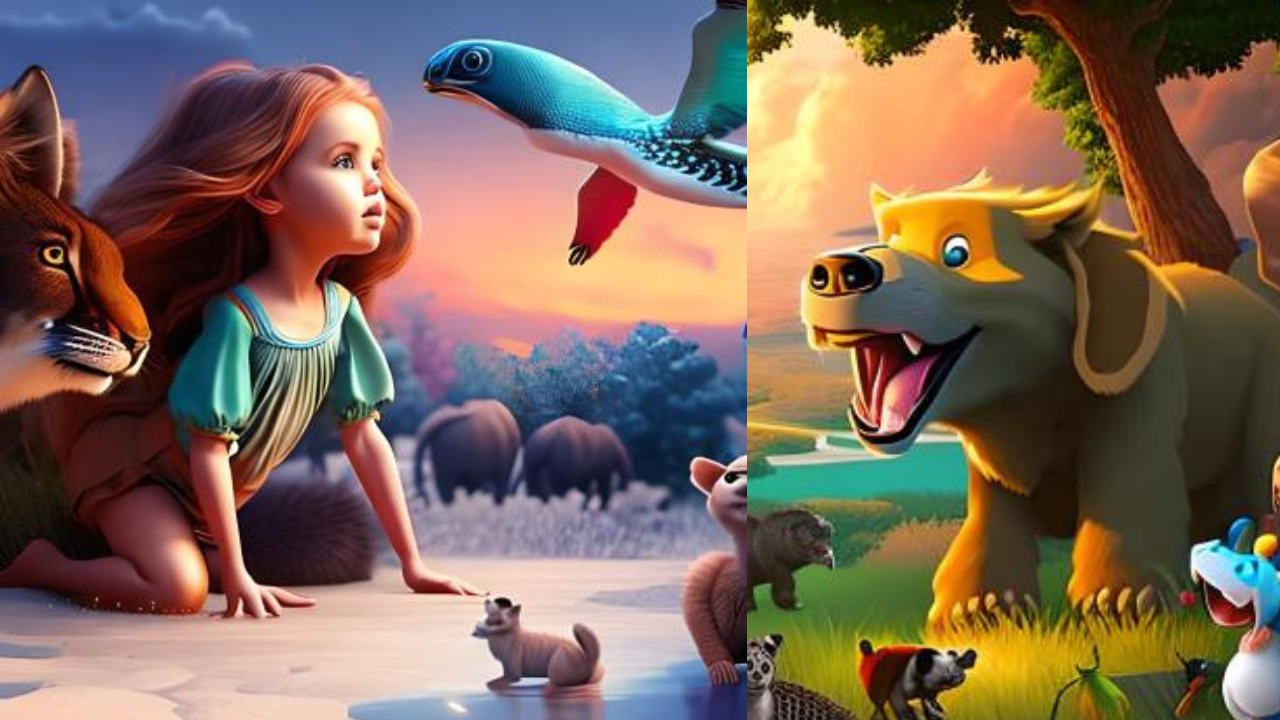
To love talking animals in stories is to love the idea that the world is far stranger, wilder, and more interconnected than it appears. It’s to believe that even the quietest creature has a voice worth hearing, and that wisdom isn’t confined to human tongues. These stories don’t just entertain; they transform. They shift our perspective, inviting us to see the extraordinary in the ordinary, the voice in the silence, and the story in the rustle of leaves. In a time when so much feels fragmented, the talking animal offers a kind of unity—a reminder that we’re all part of the same grand, chattering, magical conversation.