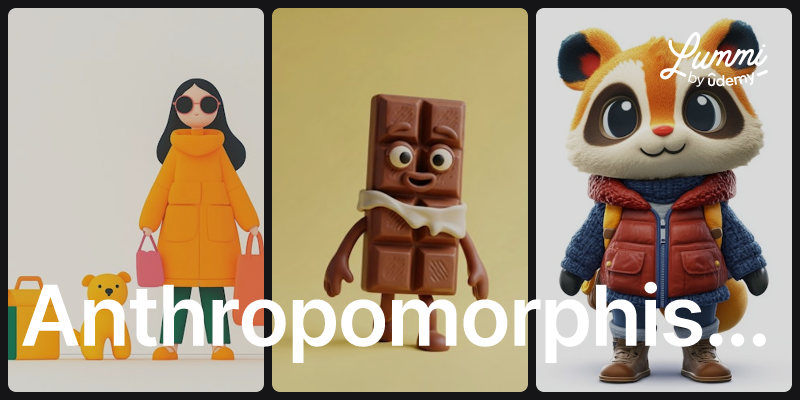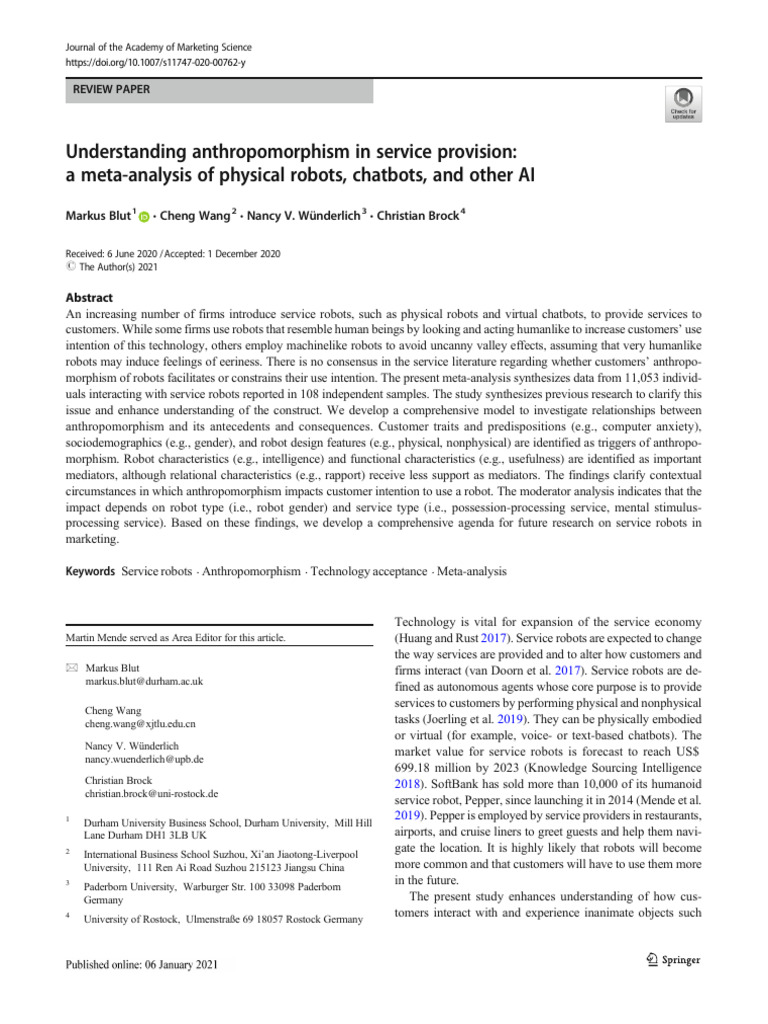
The concept of the “uncanny valley” is a fascinating paradox in human psychology and robotics, where a near-perfect imitation of humanity triggers discomfort rather than delight. It’s a phenomenon that bridges the gap between fascination and revulsion, revealing the intricate layers of our cognitive and emotional responses to artificial beings. As robots and digital avatars grow more lifelike, the uncanny valley becomes a critical threshold—one that designers, engineers, and artists must navigate with precision. This exploration delves into the origins of the uncanny valley, its psychological underpinnings, and the broader implications for technology, art, and human-machine interaction.
The Genesis of the Uncanny Valley: Where Science Meets Aesthetics
The term “uncanny valley” was coined by roboticist Masahiro Mori in 1970, who observed that as robots become more human-like, people’s emotional responses shift from empathy to unease. Mori’s hypothesis suggested that when a synthetic entity approaches—but does not fully achieve—human likeness, it evokes a primal sense of wrongness. This dip in affinity, visualized as a valley on a graph, is where the familiar and the foreign collide. The phenomenon isn’t confined to robotics; it extends to animation, prosthetics, and even virtual reality, where the slightest imperfection in human replication can feel jarring. The uncanny valley is not merely a design flaw but a mirror reflecting our subconscious fears of the inauthentic.
The Psychology Behind the Discomfort: Why Do We Feel It?
At its core, the uncanny valley taps into deep-seated cognitive dissonance. Humans are wired to detect subtle cues of life and death, and when those cues are distorted—such as a face that is almost human but not quite—our brains sound alarms. Evolutionary psychology posits that this reaction may stem from ancestral survival mechanisms, where misidentifying a predator or a corpse could mean the difference between life and death. The uncanny valley also exploits the “violation of expectations,” a psychological principle where our minds reject stimuli that defy learned patterns. When a robot’s smile doesn’t quite align with its eyes, or its gait lacks the fluidity of human motion, our subconscious registers it as a threat to the natural order.

The Aesthetic Paradox: Beauty in Imperfection
Ironically, the most unsettling examples of the uncanny valley often occur in art forms that strive for realism. In animation, films like *The Polar Express* or *Beowulf* faced criticism for their almost-human characters, which some viewers found eerily lifeless. The issue lies in the “dead eyes” effect—a phenomenon where a synthetic face lacks the micro-expressions and emotional depth of a real human. This aesthetic paradox reveals a deeper truth: perfection in imitation can feel soulless. The uncanny valley forces us to confront the limitations of artificial replication, highlighting that true humanity is not just in form but in the intangible qualities of consciousness and emotion. Artists and designers must therefore balance realism with abstraction, ensuring that their creations evoke warmth rather than dread.
Cultural Variations: How Different Societies React to the Uncanny
The uncanny valley is not a universal experience; cultural context plays a significant role in shaping our responses. In Japan, for instance, robots like *Geminoid* are often embraced with curiosity rather than fear, reflecting a cultural acceptance of artificial beings. Conversely, Western audiences may react with more skepticism, influenced by a long history of horror tropes where the “almost human” is a harbinger of doom. These cultural nuances suggest that the uncanny valley is not just a biological reaction but a learned one, shaped by societal narratives and media portrayals. Understanding these variations is crucial for global applications of robotics and AI, where design choices must align with local sensibilities.
Beyond Robotics: The Uncanny Valley in Virtual Reality and AI
The uncanny valley extends far beyond physical robots, infiltrating the digital realm where avatars and AI-driven entities blur the line between human and machine. Virtual reality platforms like *VRChat* or *Meta’s Horizon Worlds* have grappled with user discomfort when interacting with hyper-realistic avatars. Similarly, AI chatbots and voice assistants that mimic human speech patterns too closely can evoke unease, a phenomenon known as the “uncanny valley of the voice.” These digital manifestations of the uncanny valley underscore the need for ethical guidelines in AI development, ensuring that synthetic interactions remain intuitive and non-threatening. As virtual and augmented realities become more immersive, designers must prioritize user comfort to avoid alienating their audiences.
The Ethical Dilemma: Should We Bridge the Uncanny Valley?
The pursuit of bridging the uncanny valley raises ethical questions about the role of artificial beings in society. If robots or AI are designed to be indistinguishable from humans, does that risk eroding the value of genuine human connection? Conversely, could these entities serve as companions for those who are isolated or in need of care? The debate extends to issues of consent and autonomy—should a synthetic entity designed to mimic human emotion be held to the same ethical standards as a living being? These questions force us to reconsider what it means to be human and whether our creations should be bound by the same moral frameworks. The uncanny valley, in this context, becomes a moral compass guiding the responsible development of technology.
Design Strategies: Navigating the Uncanny Valley
For engineers and artists, navigating the uncanny valley requires a blend of technical precision and creative intuition. One approach is to embrace “stylized realism,” where a design intentionally avoids hyper-realism to maintain a sense of artifice. Another strategy is to focus on expressive features—such as exaggerated facial movements or exaggerated emotional cues—that compensate for the lack of true realism. Advances in machine learning and motion capture are also helping to refine the subtleties of human-like behavior, reducing the jarring effects of the uncanny valley. However, the most effective solutions often come from interdisciplinary collaboration, where engineers, psychologists, and artists work together to create entities that resonate emotionally without triggering discomfort.
The Future of the Uncanny Valley: A Bridge or a Chasm?
As technology advances, the uncanny valley may evolve from a chasm into a bridge, allowing for seamless integration of artificial beings into human society. Innovations in neural interfaces and synthetic biology could one day produce entities that are indistinguishable from humans, challenging our perceptions of identity and reality. Yet, the uncanny valley will likely persist in new forms, manifesting in unexpected ways as our relationship with technology deepens. Whether it remains a cautionary tale or transforms into a tool for empathy and connection depends on our ability to understand and harness this psychological phenomenon. The uncanny valley is not just a hurdle to overcome but a phenomenon to explore—a testament to the complex interplay between human cognition, emotion, and the artificial world we create.