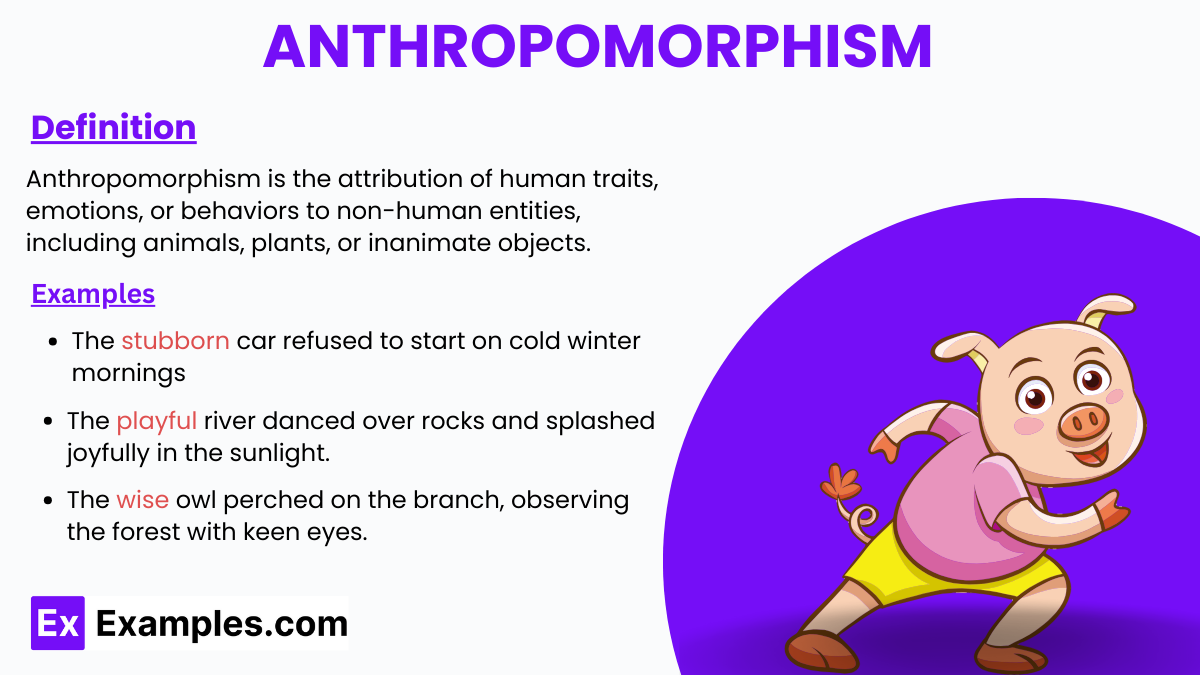
In the labyrinth of human cognition, where logic and emotion often engage in a delicate dance, anthropomorphism emerges as a silent puppeteer, subtly shaping our decisions. This phenomenon, the attribution of human traits to non-human entities, transcends mere literary devices or cultural tropes—it is a cognitive shortcut, a heuristic that colors our perceptions and guides our choices. From the way we interact with technology to the ethical dilemmas we grapple with, anthropomorphism weaves its influence through the fabric of decision-making, sometimes with clarity, other times with stealth. Understanding its mechanisms is not just an academic exercise; it is a lens through which we can dissect the irrational yet profoundly human aspects of our choices.
The Cognitive Alchemy of Anthropomorphism in Decision-Making
At its core, anthropomorphism is a cognitive alchemy, transforming the abstract into the familiar. When we imbue a chatbot with personality or trust a self-driving car’s “decisions,” we are not merely projecting human traits—we are recalibrating our risk assessments and trust thresholds. Neuroscientific studies reveal that this process activates the same neural pathways as human-to-human interactions, particularly the mirror neuron system, which simulates observed actions. This neural mimicry fosters empathy, making us more inclined to cooperate with or forgive non-human entities that exhibit human-like behaviors. For instance, a study on financial apps found that users were 30% more likely to engage with a savings tool when it was anthropomorphized with a “helpful assistant” persona, despite identical functionality.
The paradox lies in its dual nature: anthropomorphism can both simplify and distort decision-making. On one hand, it reduces cognitive load by framing complex systems in relatable terms. On the other, it introduces affective forecasting errors, where our emotional projections lead to overestimation or underestimation of outcomes. Consider the case of smart home devices—users often overestimate their security features because the devices “speak” to them in a reassuring tone, despite lacking true agency. This cognitive sleight of hand underscores how anthropomorphism can lull us into complacency or, conversely, heighten our vigilance when applied judiciously.
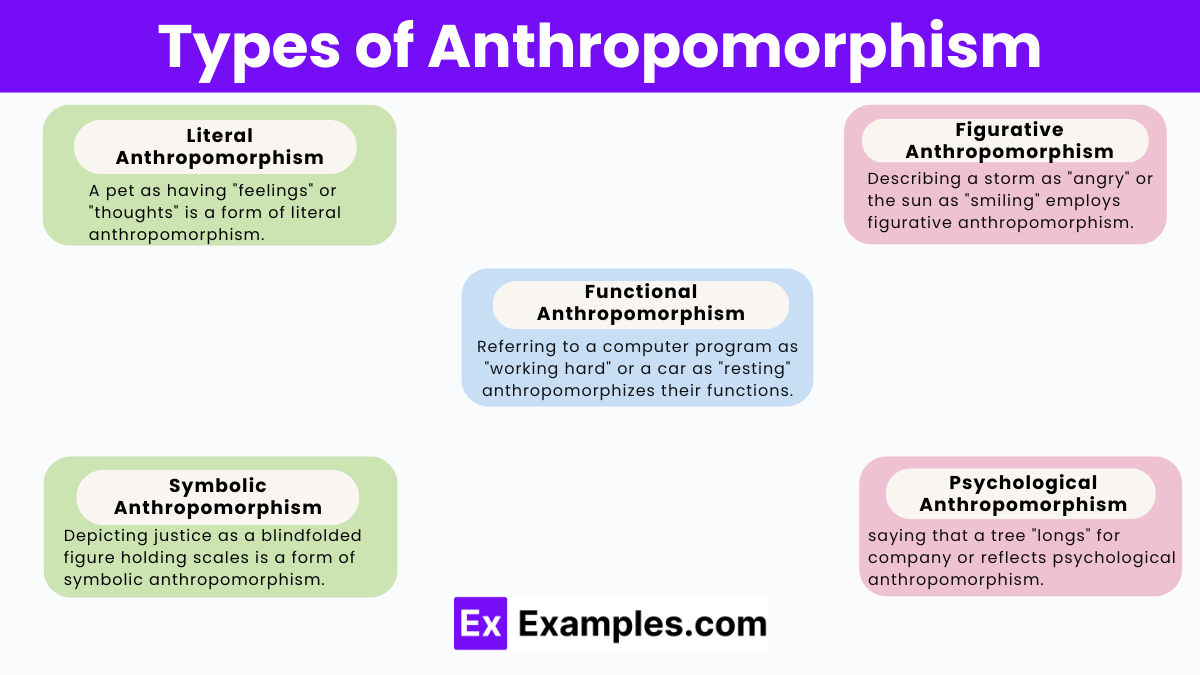
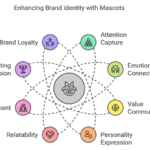
The key to harnessing this phenomenon lies in recognizing its spectral influence—its ability to shift between subtle nudges and overt manipulations. In marketing, for example, anthropomorphism is wielded to create brand personas that consumers treat as confidants. A cereal mascot isn’t just a cartoon; it’s a silent salesperson, leveraging our innate desire for reciprocity. Yet, when overused, this tactic risks eroding trust, as audiences grow weary of inauthentic charm. The challenge, then, is to strike a balance between leveraging anthropomorphism’s persuasive power and preserving the integrity of the decision-making process.
Anthropomorphism in Technology: The Double-Edged Sword of Human-Like Interfaces
The digital age has elevated anthropomorphism from a quaint literary device to a cornerstone of user experience design. Voice assistants like Siri or Alexa don’t just respond to commands—they simulate conversation, complete with tonal inflections and contextual follow-ups. This design choice taps into our social brain, a network of neural circuits evolved to navigate human interactions. Research from Stanford’s Virtual Human Interaction Lab demonstrates that users anthropomorphize voice assistants to the point of attributing them with moral agency, blaming them for errors or even apologizing when they “disobey” a request.
Yet, this humanization of machines is a double-edged sword. On one side, it enhances usability. A study by MIT found that users were 40% faster at completing tasks when interacting with an anthropomorphized robot compared to a purely functional one. The robot’s “hesitation” before answering, mimicking human thought processes, made the interaction feel more natural. On the flip side, over-anthropomorphism can lead to automation bias, where users blindly trust a system’s outputs simply because it “seems” intelligent. This was starkly evident in the Boeing 737 MAX crisis, where pilots’ trust in the aircraft’s automated systems—designed with anthropomorphic cues—contributed to fatal misjudgments.
The ethical implications are equally fraught. When a self-driving car “decides” to brake suddenly, is it making a moral choice, or are we projecting our own ethical frameworks onto a machine? Companies like Waymo and Tesla navigate this terrain by designing interfaces that hint at human-like decision-making without fully committing to it. The result is a liminal anthropomorphism, where the technology exists in a gray zone between tool and agent, leaving users to grapple with the cognitive dissonance of their own projections.

For designers and engineers, the lesson is clear: anthropomorphism in technology must be wielded with precision. It should serve as a bridge to usability, not a crutch for poor design. The most effective interfaces acknowledge the human tendency to anthropomorphize while setting boundaries to prevent misuse. This might involve limiting the system’s “personality” to avoid over-reliance or incorporating transparency mechanisms that remind users of the technology’s limitations. The goal is not to eliminate anthropomorphism but to channel it toward outcomes that align with user well-being and ethical standards.
Anthropomorphism and Ethical Dilemmas: When Empathy Clouds Judgment
Few domains reveal the ethical tightrope of anthropomorphism as starkly as artificial intelligence and robotics. When a robot is programmed to express “pain” or “fear,” does it compel us to treat it with greater care, or does it exploit our empathy for unethical ends? The debate reached a fever pitch with the introduction of emotional AI in caregiving robots, such as those designed for elderly care. These machines are engineered to mimic concern, using phrases like “I’m worried about your health” to encourage medication adherence. While the intent is benevolent, the risk is that users may develop emotional dependency, prioritizing the robot’s “wishes” over their own autonomy.
This phenomenon extends to broader societal decisions. Consider the use of anthropomorphic mascots in public health campaigns, such as the “Molly the Mosquito” campaign to combat malaria. While the tactic increased engagement, it also risked trivializing a deadly disease by reducing it to a cartoonish narrative. The tension here lies between accessibility and respect—how can we leverage anthropomorphism to communicate complex issues without diminishing their gravity? The answer often lies in strategic anthropomorphism, where the human-like traits are used to facilitate understanding without oversimplifying the stakes.
Another ethical minefield is the anthropomorphism of algorithms. When a hiring algorithm rejects a candidate, applicants often blame the system itself rather than the data it was trained on. This algorithmic anthropomorphism shields organizations from accountability, as the “neutral” facade of technology obscures the biases embedded in its design. To combat this, transparency initiatives like the EU’s General Data Protection Regulation (GDPR) mandate explanations for automated decisions. Yet, even these measures struggle to dismantle the cognitive bias that leads us to trust a “machine’s judgment” over our own.
Cultural and Psychological Variability: Why Anthropomorphism Isn’t Universal
Anthropomorphism is not a monolithic phenomenon; its effects vary wildly across cultures and individual psychologies. In Western societies, where individualism is prized, anthropomorphism often manifests as a tool for personalization—think of a GPS system that “apologizes” for rerouting. In contrast, collectivist cultures may view such overt humanization as manipulative or even sacrilegious, preferring interfaces that prioritize efficiency over emotional cues. A study comparing American and Japanese users’ interactions with smart speakers found that the latter group responded more positively to systems with minimal anthropomorphic features, associating them with professionalism rather than companionship.
Psychological factors also play a pivotal role. Individuals with high locus of control—those who believe they control their own fate—are less susceptible to anthropomorphic persuasion, as they rely on logic over emotional cues. Conversely, people with an external locus of control, who attribute outcomes to external forces, may cling to anthropomorphized entities as a coping mechanism. This variability underscores the importance of audience segmentation in designing anthropomorphic systems. A one-size-fits-all approach is doomed to fail; instead, creators must tailor the degree of humanization to the cultural and psychological profiles of their users.
The role of religiosity further complicates this landscape. In cultures where non-human entities are imbued with spiritual significance, anthropomorphism can take on a sacred dimension. For example, in Japan, robots like Pepper are often treated with reverence, as they are seen as extensions of human ingenuity rather than mere tools. This cultural lens transforms anthropomorphism from a cognitive shortcut into a spiritual or philosophical framework, influencing decisions from consumer behavior to ethical stances on AI rights.
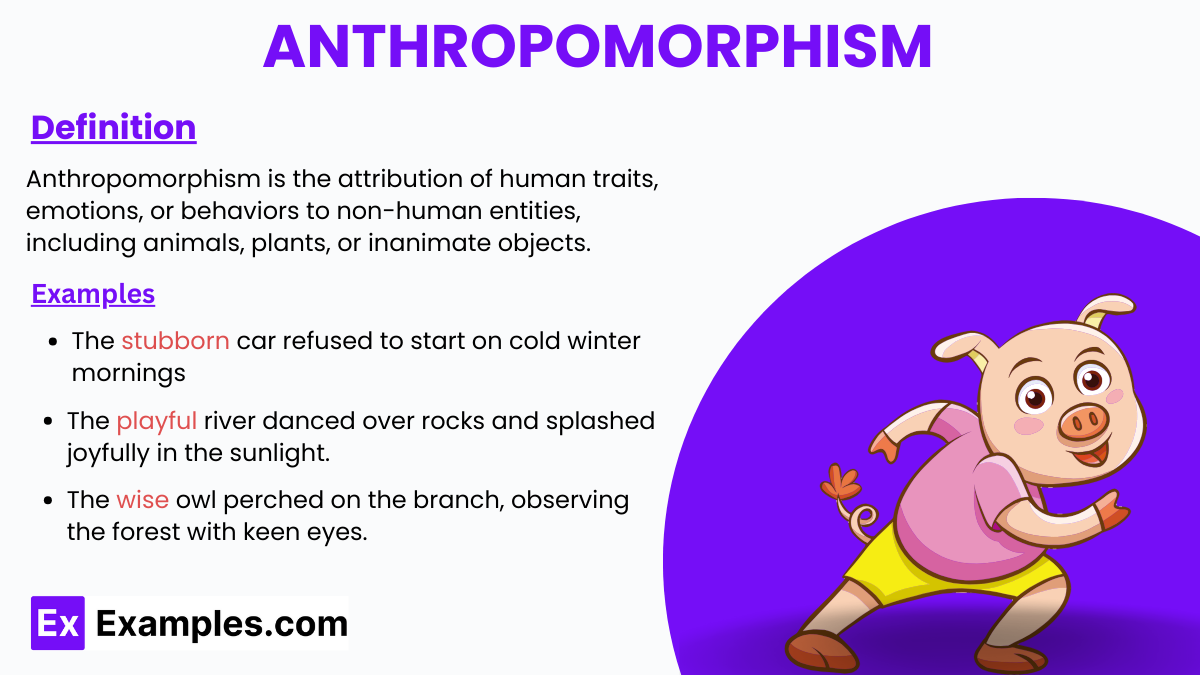
For marketers, designers, and policymakers, the takeaway is clear: anthropomorphism is not a universal solvent for engagement or usability. Its effectiveness hinges on a nuanced understanding of the target audience’s cultural narratives, psychological predispositions, and ethical boundaries. Ignoring these variables risks not only inefficacy but also backlash, as seen in failed attempts to localize AI assistants for global markets without accounting for regional taboos or values.
Practical Applications: How to Leverage Anthropomorphism Ethically and Effectively
So, how can individuals and organizations harness anthropomorphism without falling prey to its pitfalls? The answer lies in a framework that prioritizes intentional anthropomorphism—a deliberate, context-aware approach to humanizing non-human entities. The first step is to define the purpose of anthropomorphism. Is it to enhance usability, foster trust, or drive emotional engagement? Each goal demands a different strategy. For usability, subtle cues like a loading spinner with a “thinking” animation may suffice. For trust-building, a consistent “persona” with a backstory (e.g., a banking app’s “financial guardian”) can create a sense of reliability.
The second step is to establish boundaries. Anthropomorphism should never mislead users into believing a non-human entity possesses human-like autonomy or emotions. Transparency is key. For example, a virtual assistant might say, “I’m designed to mimic conversation, but my responses are based on algorithms,” to preemptively manage expectations. This honesty not only builds trust but also mitigates the risk of uncanny valley effects, where over-anthropomorphism triggers discomfort or revulsion.
Finally, anthropomorphism should be iterative. User feedback and A/B testing can reveal when the humanization is effective or when it crosses into manipulation. For instance, a study on fitness trackers found that users preferred anthropomorphic features during onboarding but grew frustrated when the “motivational coach” persona persisted beyond the initial learning phase. The solution? A dynamic system that scales back anthropomorphism as users become more proficient.
The future of anthropomorphism lies in its adaptive potential. As AI systems grow more sophisticated, they may develop the ability to adjust their anthropomorphic cues in real-time, tailoring interactions to individual users’ cognitive and emotional states. Imagine a therapy chatbot that modulates its “empathy” based on the user’s stress levels, detected via voice analysis. Such advancements could revolutionize mental health care, but they also demand rigorous ethical oversight to prevent exploitation.
In the meantime, the most powerful applications of anthropomorphism will be those that respect its dual nature—as a tool for connection and a potential vector for bias. By approaching it with curiosity, humility, and a commitment to ethical design, we can turn this ancient cognitive quirk into a force for good, guiding decisions that are both rational and deeply human.