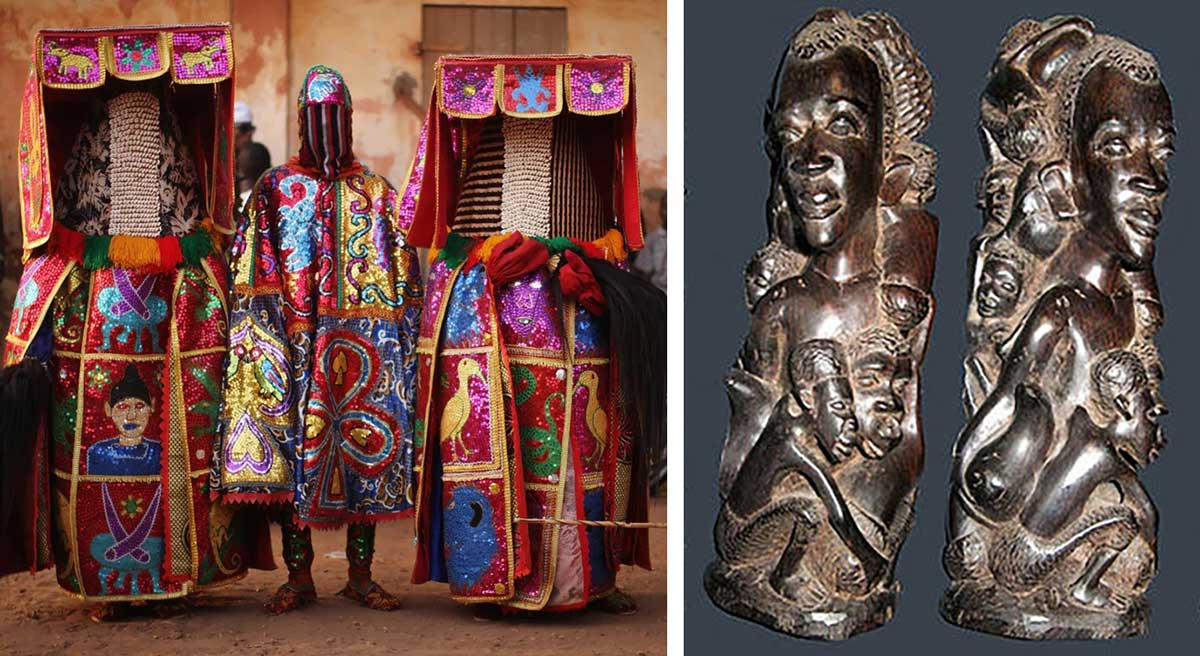
What if the divine didn’t just watch from above, but *played* among us—shapeshifting into beasts, whispering through storms, or lounging in golden idols with a knowing smirk? Anthropomorphism in religion isn’t just about giving gods human faces; it’s a cosmic game of make-believe where the sacred and the silly collide. From the thunderous Zeus hurling lightning bolts to the mischievous trickster gods of West Africa, humanity has long dressed the ineffable in familiar flesh. But why? And what happens when the line between metaphor and reality blurs?
The Allure of the Familiar: Why Gods Wear Faces
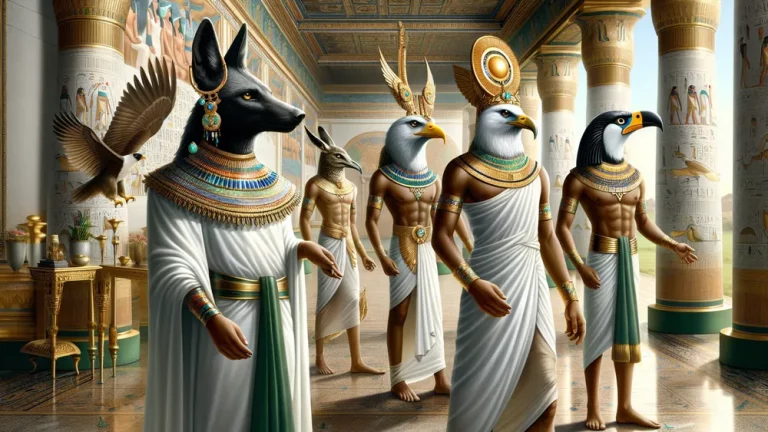
Anthropomorphism is humanity’s oldest trick—a cognitive shortcut to make the incomprehensible feel approachable. When ancient Mesopotamians carved Enki with a fish tail or Egyptians sculpted Anubis with a jackal’s head, they weren’t just decorating temples; they were translating the sublime into the tangible. Gods became characters in a divine sitcom, complete with personalities, flaws, and—dare we say—*personal dramas*.
Consider the Hindu pantheon, where Shiva’s wild dance of destruction is as much a cosmic ballet as it is a temper tantrum. Or the Norse gods, who bicker like drunken Vikings at a feast, only to rise the next morning to face Ragnarök. This isn’t laziness; it’s a survival mechanism. By humanizing the divine, we domesticate the chaos of existence. A storm isn’t just a storm—it’s Indra’s wrath. A drought isn’t random; it’s Demeter’s mourning. Suddenly, the universe has rules, and those rules have *attitude*.
Idols: When Stone Starts to Talk Back
Enter the idol—a silent witness to humanity’s desperate need to *see* the sacred. These aren’t mere decorations; they’re portals. In Hinduism, the murti (sacred image) isn’t just a representation of a god; it’s the god itself, temporarily inhabiting the stone. Touch a lingam, and you’re not just touching a phallic symbol—you’re engaging with Shiva’s creative power. But here’s the rub: what happens when the idol’s gaze feels too real?
History is rife with tales of statues weeping, bleeding, or even walking. In 16th-century Europe, the *Volto Santo* of Lucca was said to sweat blood, drawing pilgrims who believed the cloth could heal wounds. Meanwhile, in Japan, the *kami* of Shinto shrines are said to reside in objects as humble as a rock or a tree. The challenge? When the divine speaks through inanimate matter, who’s really in control—the worshiper or the worshiped?

This tension between symbol and substance raises a provocative question: If a god’s power is channeled through an idol, does the idol’s destruction mean the god is gone—or merely inconvenienced? The answer lies in the heart of faith itself, where belief and materiality perform a delicate dance.
The Trickster’s Gambit: Gods Who Defy Expectations
Not all anthropomorphic gods are benevolent patriarchs. Enter the tricksters—those delightfully chaotic figures who refuse to play by the rules. Loki’s shape-shifting antics in Norse myth aren’t just comic relief; they’re a reminder that the divine is as unpredictable as the human psyche. Anansi, the West African spider-god, outwits larger foes with cunning, proving that even the smallest trickster can rewrite fate.
But tricksters aren’t just comic relief; they’re philosophical disruptors. They force us to question: If a god can lie, cheat, and steal, does morality even apply? The Hindu god Krishna’s playful pranks—stealing butter, teasing milkmaids—aren’t just childish antics; they’re a lesson in divine whimsy. The challenge? How do we reconcile a trickster god’s chaos with the order we crave in our own lives?
This duality is why tricksters endure. They’re the gods who remind us that reverence and irreverence aren’t mutually exclusive. To worship a trickster is to embrace the absurdity of existence—to laugh at the divine’s pettiness even as we bow before its grandeur.
When Anthropomorphism Backfires: The Perils of Overfamiliarity
Yet for all its charms, anthropomorphism has a dark side. When gods become too human, they risk losing their mystique. The Greek gods, with their all-too-human squabbles and petty grudges, often feel less like omnipotent beings and more like dysfunctional celebrities. Zeus’s serial infidelities aren’t just scandalous—they undermine the very idea of divine perfection.
Worse still, anthropomorphism can lead to idolatry in the pejorative sense: the worship of the symbol over the sacred. When a statue becomes a fetish, the god it represents fades into the background. The medieval Christian debates over icons—were they vessels of the divine or dangerous distractions?—highlight this peril. The challenge? Striking a balance between making the divine relatable and reducing it to a cartoon.
Even today, we see this tension in how we depict gods in media. Marvel’s Thor is a buff, bearded superhero, not the stormy, capricious figure of Norse myth. While this makes the god accessible, it also flattens his complexity. The question lingers: Have we domesticated the divine into something palatable, or have we lost something essential in the process?
The Modern Mirage: Gods in the Age of Algorithms
Anthropomorphism isn’t confined to ancient temples. In the digital age, we’ve created new gods—ones that live in code and flicker across screens. Social media algorithms, with their eerie ability to predict our desires, feel almost *alive*. Are they divine? Not in the traditional sense, but they demand a similar devotion: constant engagement, offerings of data, and blind faith in their “wisdom.”
Even artificial intelligence is anthropomorphized. We name our chatbots, give them genders, and project personalities onto them. When an AI like Replika offers “friendship,” are we engaging with a tool—or a modern idol? The challenge here is subtler: Can we worship the tools of our own creation without losing sight of what makes us human?
This new era of anthropomorphism forces us to confront an uncomfortable truth: We may have stopped shaping gods in our image. Instead, we’re shaping *ourselves* in the image of our creations—whether that’s a stone statue, a mythic trickster, or a line of code.
Conclusion: The Divine Masquerade
Anthropomorphism in religion is a grand illusion—a necessary one, but an illusion nonetheless. It’s the reason we can pray to a god who looks like us, fear a demon that mimics our fears, or laugh at a trickster who mirrors our own cunning. Yet for all its power, it’s a double-edged sword. The more we humanize the divine, the more we risk losing it to the mundane.
The gods, after all, are not us. They are the storm that dwarfs us, the silence that humbles us, the chaos that defies us. And yet—how desperately we need them to be like us. To stumble, to rage, to love, to play. In that paradox lies the heart of anthropomorphism: a bridge between the infinite and the intimate, the sacred and the silly.
So the next time you see a god with a human face, ask yourself: Is this a reflection—or a distortion? And more importantly, who’s really doing the looking?