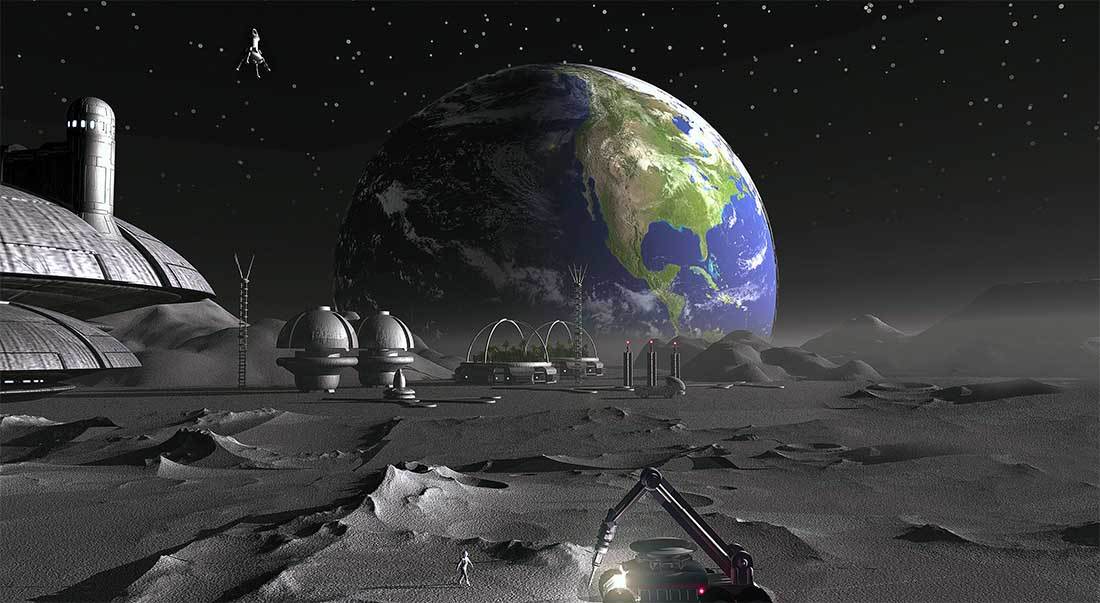
The cosmos has long been a canvas for humanity’s grandest dreams and deepest curiosities. As humankind edges closer to establishing permanent footholds beyond Earth, the symbiotic dance between human cognition and extraterrestrial habitation becomes increasingly pivotal. One remarkable lens through which this interplay can be examined is anthropomorphism—the projection of human traits, emotions, and intentions onto non-human phenomena. In the realm of space settlement, anthropomorphism acts as a double-edged sword: it shapes emotional resonance, guides design philosophies, and simultaneously invites complex psychological and ethical reflections. Exploring this phenomenon reveals how the human mind, yearning to bridge vast interstellar gaps, tints the cold void with warm, familiar hues, transforming sterile space habitats into something more akin to a living organism, a cosmic kin.
The Metaphoric Nexus: Space Settlements as Living Entities
Anthropomorphism in space settlement often manifests through the metaphor of habitation structures as living entities—breathing ecosystems pulsating with life and intent rather than inert mechanical shells. This metaphor is not mere poetic fancy; it reflects a fundamental cognitive need to render alien environments comprehensible. Space stations and settlements are imbued with personality and purpose, likened to a “heart” that pumps vital resources or a “skin” that shields against the unforgiving vacuum. Employing this metaphorical language enhances emotional investment and psychological comfort for settlers. It also provokes design innovation by encouraging architects and engineers to conceive habitats as symbiotic organisms, responsive and adaptive rather than static constructs. Thus, anthropomorphism fuels a conceptual shift towards biomimicry—melding organic principles with technological rigor to create habitats that feel intrinsically alive.
Humanizing the Void: Psychological Anchors in Isolation
The psychological demands of space travel and colonization are profound. The vast emptiness beyond Earth’s atmosphere can evoke existential solitude, disorientation, and alienation. Anthropomorphism serves as an indispensable cognitive anchor within this void. To assign familiar human characteristics to the environment or machinery transforms intimidating, alien landscapes into relatable companions. For example, astronauts may name their habitat modules or imagine spacecraft as protective guardians, instilling comfort and psychological safety. This form of personification supports mental health by fostering a sense of companionship and control. It also reifies intangible anxieties into manageable constructs, allowing settlers to negotiate their fears with narratives imbued with empathy and familiarity.
Design Paradigms: From Mechanical Infrastructure to Symbiotic Habitat
Beyond psychological necessity, anthropomorphism imparts tangible influences on the design and engineering of space settlements. Viewing habitats as animate systems inspires architects to conceive of these constructs as entities capable of growth, healing, and self-regulation. This approach navigates away from the cold, utilitarian mindset towards spaces designed to “live” and “breathe.” Concepts such as rotating settlements mirroring planetary gravity become metaphors for circulation—akin to blood flow sustaining life. Spaces are segmented into “organs” like farms, living quarters, and waste processing units, each performing vital functions in harmony. The integration of autonomous systems, capable of dynamic adaptation and self-maintenance, reinforces this living metaphor. Anthropomorphism thus transcends metaphor, becoming a design principle that nurtures sustainability and resilience in extraterrestrial habitats.
Ethical Reflections: The Moral Landscape of Anthropomorphized Environments
While anthropomorphism in space settlement has intrinsic appeal, it also poses intricate ethical dilemmas. Assigning humanlike agency to habitats and robots challenges conventional boundaries of responsibility and empathy. If a habitat is perceived as a sentient entity, how might this affect the treatment of the environment, and the accountability for its maintenance or destruction? These questions deepen when autonomous systems gain advanced decision-making capacities. The anthropomorphic lens may bestow a quasi-moral status on non-human actors, provoking a reassessment of human stewardship and ethical obligations in space. Moreover, the human tendency to anthropomorphize must be balanced with scientific rigor to avoid misplaced sentimentality that could hinder pragmatic decision-making in settlement operations and technology deployment.
Cultural Resonance and Narrative Identity in Space Settlement
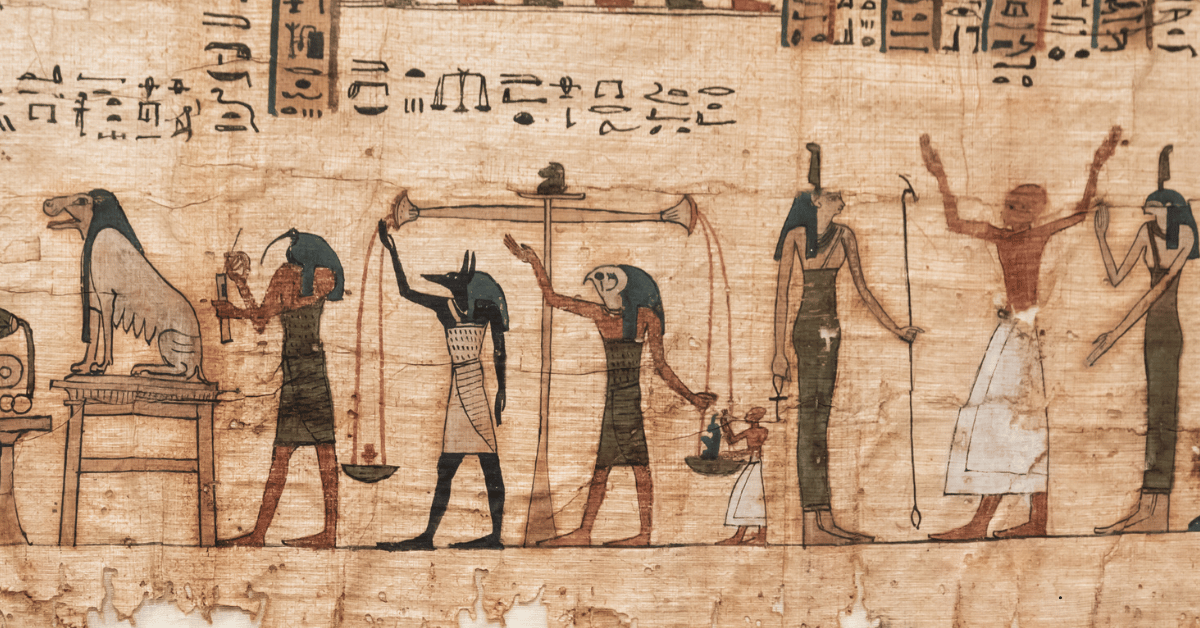
Anthropomorphism also carves a profound niche in the cultural and narrative fabric of space colonization. Settlements imagined as characters within grand cosmic tales foster stronger narrative identity, enabling settlers and the broader public to connect emotionally with humanity’s off-world aspirations. This narrative resonance shapes the mythos surrounding space colonies, turning them into protagonists or sentinels of human resilience and ingenuity. Artistic depictions, from mural-sized space art to digital renderings of habitats with anthropomorphic qualities, amplify this effect, embedding space settlements within a shared collective imagination. This cultural embedding galvanizes support, sponsorship, and enthusiasm, propelling the momentum necessary to transform astronautical dreams into tangible realities.
Future Horizons: Toward Symbiotic Cosmic Coexistence
As humanity’s gaze extends beyond the cradle of Earth, the impact of anthropomorphism will likely deepen and diversify. Emerging technologies—autonomous robotics, artificial intelligence, bioengineered habitats—will blur the distinctions between human, machine, and environment. In this evolving landscape, anthropomorphic conceptualizations will serve not only as psychological balm but also as frameworks for cooperative coexistence. Future space settlements may evolve into hybrid ecosystems where human and non-human elements engage in mutualistic relationships, co-creating viability amid hostile environs. The metaphor of the settlement as a living organism presages a future in which humanity is not a conquering force but a participant in a larger cosmic community, weaving new forms of kinship among the stars.