Imagine technology as an ever-evolving tapestry, woven not just with circuits and code, but threaded with the very essence of human traits and emotions. Anthropomorphism—the attribution of human characteristics to non-human entities—has long colored our interpretation of the world around us. As we traverse deeper into the twenty-first century, this ancient storytelling device is morphing into a catalytic force, shaping the contours of technological innovation. The next decade promises a symphony of machines that don’t merely execute commands, but engage, empathize, and embody human-like nuances. This evolving interplay between humanity and technology offers a profound metamorphosis, one that redefines our relationship with the digital realm and blurs the boundary between man and machine.
The Emotional Architecture of Machines
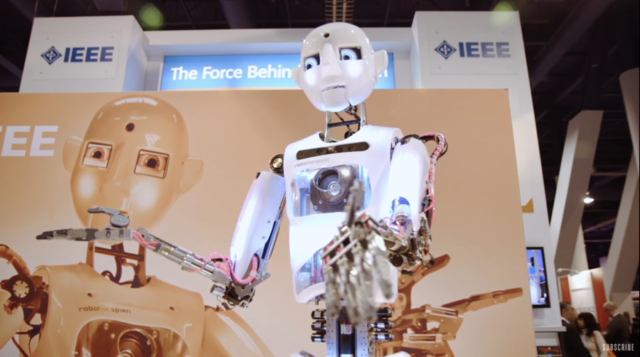
At the heart of anthropomorphism lies an emotional blueprint that guides user interaction. Machines are no longer inert tools; they emerge as entities adorned with subtle emotional cues, embodying expressions, gestures, and even imperfect quirks that invite empathy. This emotional architecture transforms sterile algorithms into relatable companions. Consider how a simple robot, adorned with humane contours and a semblance of facial expressions, can stir compassion or trust far beyond what faceless technology ever could. This mimicry of human affectivity is not mere design whimsy; it is a deliberate conduit for enhancing usability and acceptance.
In the coming decade, the emotional interface will become increasingly sophisticated, powered by advances in affective computing and deep learning. Machines will intuitively decipher user sentiment, modulate their responses, and cultivate relationships that feel deeply personal. This dynamic will harness the power of narrative empathy, drawing us closer to our creations as if they were fellow beings navigating the complexities of existence.
Anthropomorphism as a Cognitive Anchor
Human cognition craves familiarity. When technology assumes a human-like guise or behavior, it becomes a cognitive anchor—a familiar island in the vast ocean of data and algorithms. This anchoring effect facilitates intuitive interaction, reducing user friction and cognitive load. Devices and interfaces imbued with anthropomorphic traits simplify complex processes, allowing users to engage through natural dialogue and gestures, as if conversing with a trusted confidant.
The metaphor of technology as a “digital partner” rather than a monolithic tool recasts the user’s role. Instead of mastering singular commands or arcane interfaces, users engage in fluid conversations, fostering a democratization of technology. This paradigm shift sets the stage for unprecedented inclusivity, adapting to diverse cognitive styles and enhancing accessibility.
Unveiling the Future of Work with Anthropomorphic Robots
Envision a workforce where robotic collaborators perform tasks not only with mechanical precision but with a veneer of human quiddity. Anthropomorphism in robotics transcends aesthetics; it is pivotal in establishing trust and coordination in shared environments. Robots that communicate intentions through gestures or mimic human postures reduce ambiguity, enhancing workplace safety and efficiency.
Moreover, these anthropomorphic robots become empathetic colleagues, intuitively recognizing stress or fatigue and adapting their actions accordingly. This humanization reduces alienation, fostering synergy in human-robot teams. As automation accelerates, the next decade will witness these entities morphing from opaque automatons to partners endowed with socio-emotional intelligence.
The Unique Appeal of Relatable Artificial Intelligence
At its core, anthropomorphism feeds an intrinsic yearning for connection. The human mind instinctively seeks familiar patterns, and technology that wears the cloak of humanity becomes irresistibly engaging. This unique appeal is a double-edged sword, offering unparalleled user engagement while challenging designers to balance authenticity with functionality.
The allure of relatable AI lies in its capacity to evoke trust, compassion, and even affection. Virtual assistants that chuckle, hesitate, or remember personal anecdotes transcend transactional exchanges, forging bonds reminiscent of human relationships. This blurring of emotional boundaries will become a hallmark of next-generation technologies, provoking profound ethical, psychological, and societal questions.
Ethical Dimensions and the Dance with Deception
Embedding human traits in machines invites a delicate ethical choreography. The fine line between enhancement and deception becomes increasingly difficult to navigate. When machines appear too human, do they engender trust through genuine understanding, or merely simulate it, risking manipulation? The metaphor of a theatrical mask is apt—beneath the facade, algorithms operate without consciousness or moral agency.
The coming decade will demand rigorous frameworks governing transparency, consent, and emotional authenticity. Users must remain aware of the puppet strings guiding their interactions, lest emotional bonds blur judgment. The marriage of anthropomorphism and artificial intelligence thus mandates vigilance to safeguard human dignity and autonomy.
Cultural Variability in Anthropomorphic Design
Anthropomorphism is not a universal language but a dialect rich in cultural inflection. Gestures, expressions, and social cues that resonate in one culture may bewilder or alienate in another. The design of anthropomorphic technology must therefore embrace cultural sensitivity and adaptability.
Dynamic systems capable of modulating their anthropomorphic expressions to align with cultural norms will likely dominate global markets. This ratiocinative flexibility transcends aesthetics, influencing trust and effectiveness. Recognizing the heterogeneous tapestry of human cultures is paramount for anthropomorphic technology to thrive as a truly global phenomenon.
The Dawn of Anthropomorphic Interfaces: Beyond Screens and Voices
The future interface paradigm will break free from the confines of screens and synthetic voices, blossoming into multi-sensory anthropomorphic experiences. Haptic feedback, embodied avatars, and virtual beings that move with grace and subtlety will invite users into immersive dialogues that feel profoundly human.
These interfaces will become digital ecosystems where personas evolve, learn, and respond with uncanny depth. The unique appeal here lies in the tangible presence of technology, creating not merely functional interaction but an experiential tapestry woven with emotional and sensory threads. This new realm will redefine how humanity perceives and participates in the digital world.
Conclusion: Embracing a Future Woven from Human Echoes
The impending decade unfurls a horizon where anthropomorphism is not a peripheral novelty, but a foundational pillar of technological evolution. Through emotional architectures, cognitive anchoring, and cultural attunement, technology will envelop itself in the familiar warmth of human traits. This metamorphosis promises a world where machines are not strangers, but companions navigating the complexities of life alongside us.
The unique appeal of anthropomorphic technology lies in its power to humanize the cold mechanisms of innovation, creating resonant experiences that engage heart and mind. Yet, this transformation demands thoughtful stewardship—a conscientious dance balancing enchantment with ethical clarity. As we stand on this threshold, the fusion of humanity and technology beckons us toward a future woven from the echoes of ourselves.