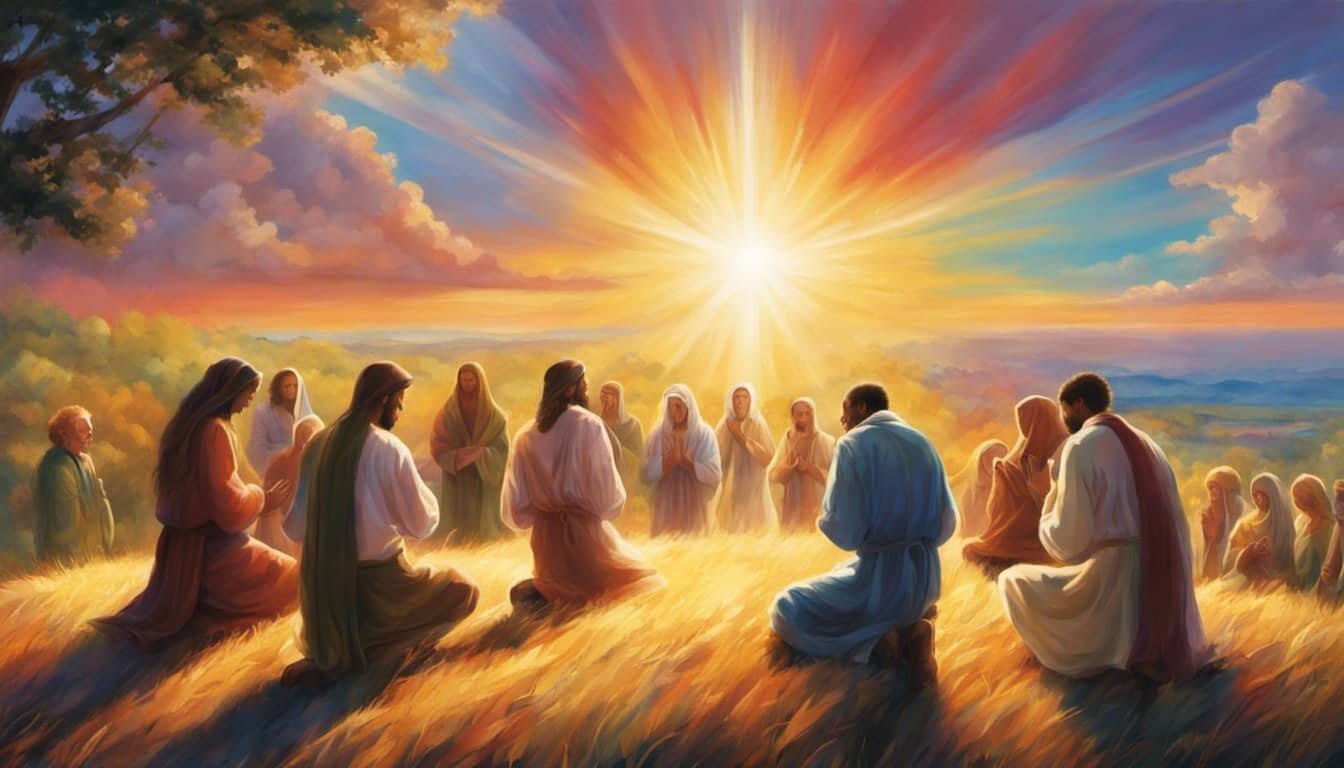
In the vast theater of human spirituality, anthropomorphism acts as an evocative playwright, shaping the script of our rituals and worship with vivid characters drawn from the familiar contours of the human experience. By bestowing divine entities with recognizable human traits, emotions, and intentions, this ancient narrative device forges an intimate bridge between mortals and the metaphysical. The impact of this personification resonates deeply, transforming abstract transcendence into relatable presence, and thus invigorating the practices that define our devotional lives.
The Embodiment of the Divine: Human Traits in Deities
Humanizing the divine is not merely an artistic or poetic flourish; it is a foundational pillar that sustains the architecture of ritualistic worship. When gods and spirits are depicted with faces that mirror our own—expressing joy, sorrow, wrath, or mercy—they cease to be distant enigmas and instead become accessible interlocutors. This embodiment infuses rituals with poignancy, allowing worshippers to engage with deities as sentient beings who possess desires and vulnerabilities akin to theirs.
This personification provides congregants with a canvas on which they can project their hopes, fears, and ethical aspirations. It serves as a divine dialectic, an ongoing dialogue where the ineffable is translated into the tangible. The familiar human form becomes a metaphorical vessel, carrying complex theological concepts across the bridge of relatability, turning rituals into heartfelt conversations rather than mere ceremonial formalities.
Anthropomorphism as a Catalyst for Emotional Engagement
Rituals thrive on emotional resonance. Anthropomorphism injects a potent emotional dynamism into worship by granting deities palpable gestures, expressions, and voices. This psychological proximity fosters empathy and a profound affective connection, elevating rituals beyond rote performance to transformative experiences that touch the core of human sensibility.
Consider the metaphor of the divine as a mirror, reflecting the myriad hues of human sentiment back to the worshipper. This reflection allows participants to navigate their spiritual journey with a sense of companionship and understanding—the deity is not an aloof force but a confidant who comprehends the vicissitudes of existence. Consequently, rituals animated by anthropomorphic imagery often evoke catharsis, reassurance, and moral upliftment.
Narrative Power: Storytelling and Symbolism in Worship
Anthropomorphism breathes life into sacred narratives, transforming them into compelling sagas where gods play roles in cosmic dramas infused with purpose and passion. These personified divinities become protagonists in stories that encapsulate cultural values, fundamental truths, and existential questions, which are enacted repeatedly in worship contexts.
Through ritual reenactment, these stories transcend simple narration and become lived experiences that reaffirm communal identity and shared belief systems. The narrative appeal of anthropomorphic divinities functions much like mythic theater, where the audience participates not merely as observers but as vital members of a sacred dialogue—a dynamic interplay of symbol and action that renders worship both immersive and enduring.
Facilitating Moral Frameworks and Ethical Exemplars
By attributing human characteristics and emotions to the divine, anthropomorphism provides clear archetypes for moral and ethical conduct. Deities, portrayed with relatable imperfections alongside transcendent virtues, offer worshippers models for navigating the complexities of life. This personification enables rituals to incorporate lessons in humility, justice, compassion, and courage, framed within a theomorphic context that emboldens adherents to embody these qualities.
The metaphor of the deity as a moral compass—marked by vividly human foibles and grandeur—resonates deeply during worship. This fusion fosters an internalization of ethical principles not as abstract edicts but as lived realities, embodied in the divine presence encountered during ritual practice. Such an approach elevates worship from passive reverence to active moral engagement.
Ritual Artifacts and Iconography: Tangible Expressions of Anthropomorphism
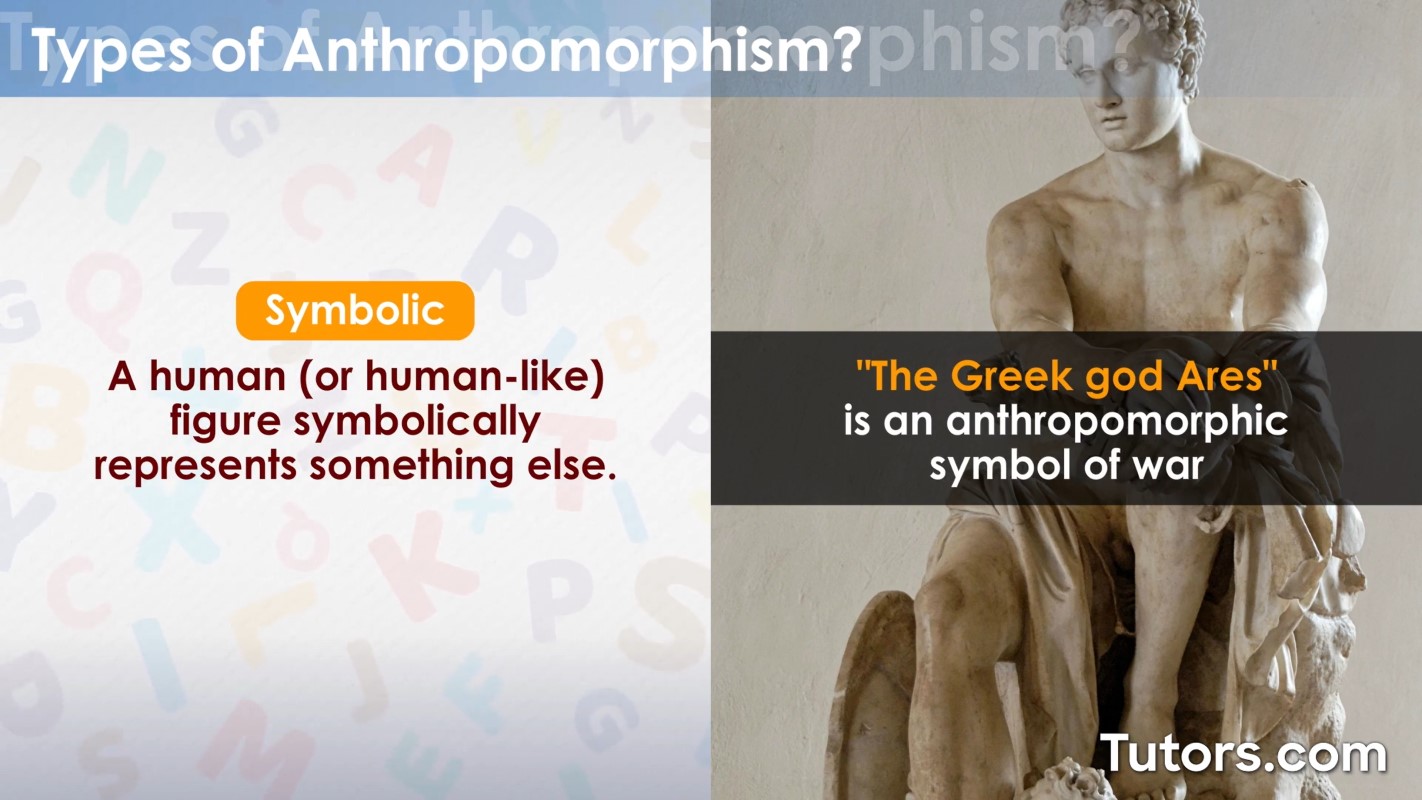
The physical manifestations of anthropomorphism in ritual—statues, paintings, masks, and other iconographic forms—serve as focal points of worship and veneration. These artifacts crystallize abstract spiritual concepts into palpable objects, facilitating sensory immersion and concentrated meditation.
Each sculpted smile, each carved hand gesture, becomes a symbol saturated with layered meanings—a metaphoric thread weaving the mundane with the divine. The tangible presence of an anthropomorphic image invites tactile interaction, beckoning devotees into a dance of reverence and reflection. This material dimension enriches ritual by offering a concrete anchor for fleeting spiritual sentiments, weaving a sensory tapestry where faith transcends the invisible.
The Dynamic Interplay Between Anthropomorphism and Cultural Diversity
Cultures around the globe reinterpret anthropomorphic themes in unique and vibrant ways, reflecting the diversity of human experience and the plurality of spiritual aspirations. The humanization of deities acts as a cultural chameleon, adapting its hues to the contextual landscape of ritual forms, societal values, and historical epochs.
This dynamic interplay fosters a pluralistic spiritual milieu where rituals are simultaneously universal in their appeal to the human condition and particular in their cultural expression. Anthropomorphism thus serves as a language of the soul, fluid yet rooted, allowing communities to articulate their transcendence through localized narratives and distinctive worship practices. It is the soil from which a kaleidoscope of devotional rituals blossoms, each distinct yet united by the shared human impulse to connect with the sacred.
Challenges and Critiques: Navigating the Boundaries of Anthropomorphism
While anthropomorphism enriches rituals and worship with intimacy and meaning, it also surfaces theological and philosophical challenges. The personification of the divine risks oversimplification, potentially constraining the ineffable within human limitations. Critics argue that such depictions may lead to idolatry or misinterpretation of the transcendent, blurring the line between metaphor and reality.
Nevertheless, many traditions embrace this tension, recognizing anthropomorphism as a provisional language—a scaffold that guides believers toward mystical understanding. Through ritual, worshippers negotiate these boundaries, oscillating between reverence for the anthropomorphic form and acknowledgment of its symbolic nature. This dialectic itself becomes a sacred rhythm, invigorating worship with intellectual depth and spiritual nuance.
Conclusion: The Enduring Legacy of Anthropomorphism in Worship
Anthropomorphism is more than an artistic trope; it is a profound conduit through which humanity dialogues with the divine. By imbuing rituals with relatable imagery, emotional accessibility, narrative richness, ethical clarity, and sensory depth, it underpins the enduring vitality of worship practices worldwide. The metaphor of the divine clothed in human form continues to captivate the imagination, inviting worshippers into a sacred dance between the seen and the unseen, the finite and the infinite.
In this interplay, rituals cease to be mere tradition—they become living tapestries woven from the threads of human longing and divine mystery, united in a perpetual act of anthropomorphic enchantment.