Imagine a world where the cold, mechanical machinery of persuasion dons the warm cloak of human emotion, speaking not through stark facts but through the familiar cadence of human traits. This is the realm of anthropomorphism in propaganda—a realm where emotions are harnessed and messages are tailored to touch not just the mind, but the heart. Much like a magician transfiguring the mundane into the marvelous, anthropomorphism transforms abstract ideas, ideologies, and institutions into characters that seem almost breathing, almost alive. But does this enchanting technique truly wield power, or is it merely a shadow play of manipulation? Exploring this phenomenon uncovers not only its effectiveness but highlights the unique psychological alchemy that makes it tick.
The Enchantment of Anthropomorphism: Breathing Life into the Abstract
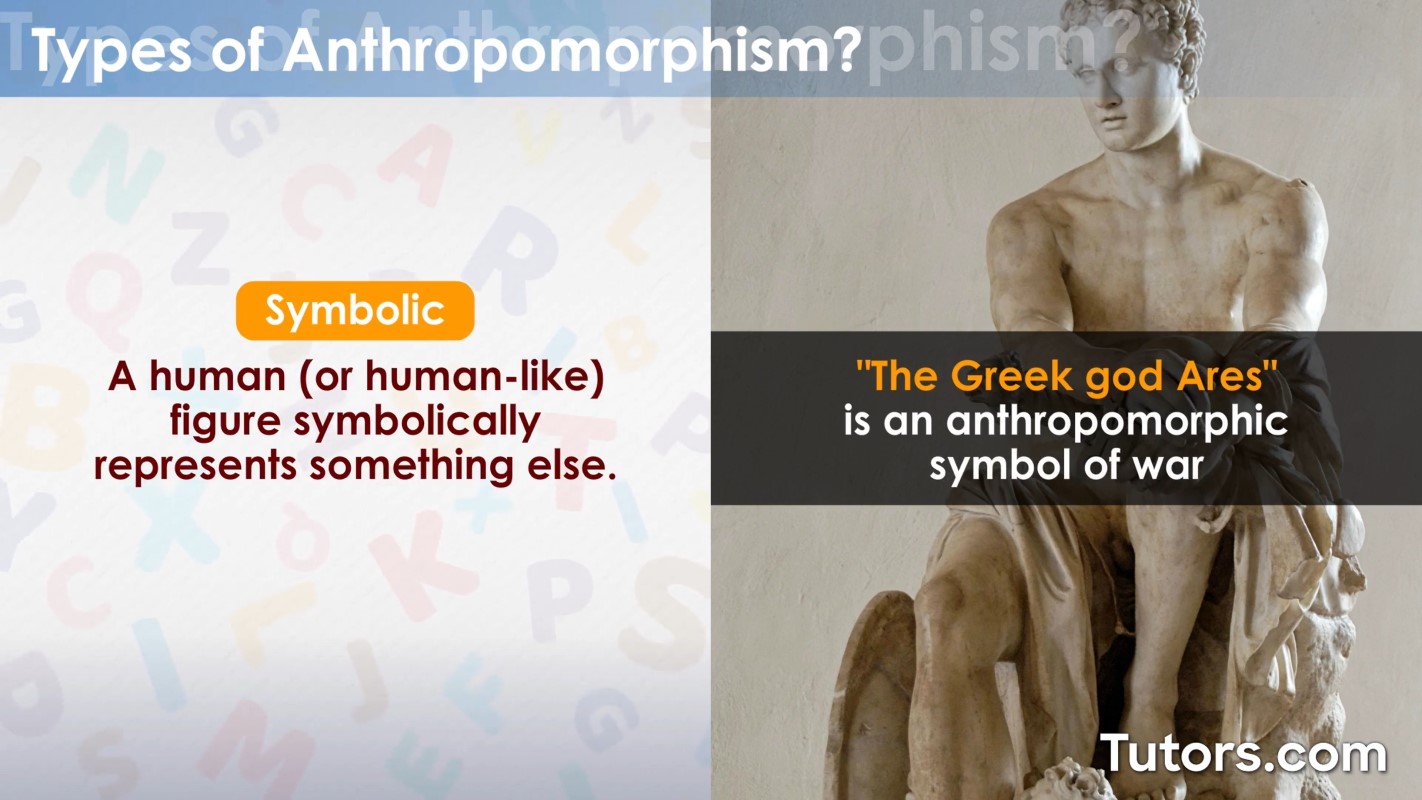
At its essence, anthropomorphism is the act of ascribing human qualities, emotions, and intentions to non-human entities: animals, objects, or even concepts. In propaganda, this technique operates as a cunning translator, converting stark, often unapproachable narratives into compelling stories that resonate on a deeply personal level. It is as if propaganda dons a mask not of rhetoric, but of relatable humanity. This mask beckons the audience to engage emotionally, bypassing the usual defenses of skepticism and analytical scrutiny.
Imagine a national flag that whispers tales of sacrifice and valor, or a political party portrayed as a nurturing parent guiding the country through turmoil. The metaphor extends beyond mere imagery—it weaves a narrative fabric rich with sentiment, imprinting itself in the collective psyche. This narrative alchemy is potent because humans are narrative-driven beings; we interpret the world through stories and characters. Anthropomorphism leverages this predisposition, making complex or distant concepts tangible and emotionally accessible.
The Psychological Underpinnings: Why Anthropomorphism Captivates
The appeal of anthropomorphism in propaganda lies within the labyrinth of cognitive and emotional engagement. Human brains are wired to detect and relate to human traits; this is part of our social survival toolkit. The ‘social brain’ is finely attuned to recognizing agency, intention, and emotion, even when these attributes are projected onto inanimate or abstract entities. This cognitive predisposition is what makes anthropomorphic propaganda so effective.
When a message employs anthropomorphism, it subtly triggers empathy and identification. The audience no longer perceives the propaganda as an external imposition but as a familiar voice speaking their language. This is not mere manipulation; it is a sophisticated leveraging of intrinsic human tendencies. By embodying entities with human characteristics, propagandists invite the audience to form emotional attachments to ideas or causes that might otherwise seem distant, complicated, or irrelevant.
Furthermore, anthropomorphism simplifies complex ideologies. By personifying concepts as figures with desires, fears, or virtues, propaganda distills nuanced political or social messages into digestible narratives. This reduction enhances retention and emotional investment, making it easier for audiences to internalize and support targeted messages.
Anthropomorphism as a Metaphorical Trojan Horse
Anthropomorphism can be likened to a Trojan horse crafted from empathy. Its exterior, adorned with appealing human traits, conceals a deeper, often manipulative agenda within. This compelling façade grants it passage into the fortified city of the human mind, where critical reasoning typically stands guard. Once inside, the emotional connection commandeers the internal discourse, often overshadowing rational evaluation.
This metaphorical Trojan horse is no simple ruse; it is an intricately designed instrument of influence. For instance, during wartime propaganda, animals are frequently anthropomorphized to symbolize enemy soldiers or national ideals. These portrayals evoke clarity and catalyze group identity, while stoking emotional fervor. Similarly, corporations may be depicted as trustworthy caretakers or insidious villains, shaping public perception through vivid characterizations rather than dispassionate data.
Thus, anthropomorphic propaganda not only conveys messages but encodes them with emotional triggers, effectively bypassing intellectual passivity. Its success hinges on this seductive interplay between familiarity and persuasion.
The Unique Appeal: Emotional Resonance Beyond Logic
One of the remarkable facets of anthropomorphism in propaganda is its ability to transcend mere logical appeal, delving instead into the realm of emotional resonance. Unlike straightforward arguments, which appeal predominantly to reason, anthropomorphic propaganda whispers to the soul, evoking feelings of trust, fear, hope, or morality.
This approach taps into the subconscious reservoir of archetypes—the warrior, the protector, the innocent—universal figures embedded across cultures and epochs. By casting abstract ideas into these archetypal frames, propaganda awakens timeless narratives that feel intuitively meaningful. This innate familiarity fosters not only acceptance but enthusiasm, transforming passive recipients into active adherents.
Moreover, the use of anthropomorphic imagery and storytelling enriches memorability. Humans recall stories and characters far better than disconnected facts or statistics. The emotional imprint left by anthropomorphic portrayals shapes attitudes and behaviors long after the moment of exposure, granting the technique enduring potency.
Potential Pitfalls and Ethical Dilemmas
Yet, beneath its beguiling surface, anthropomorphism in propaganda carries inherent risks and ethical quandaries. The ease with which it can manipulate emotions raises questions about consent and transparency. When human traits are projected onto entities, complexities are often flattened, subtleties obscured, and truths distorted.
In some cases, anthropomorphic propaganda can dehumanize groups by casting them as threatening or subhuman creatures, stoking fear and hostility. This weaponization of empathy turns the tool of connection into an instrument of division. Conversely, glorifying certain causes or figures through anthropomorphism might oversimplify critical issues, encouraging blind allegiance rather than informed discourse.
These dilemmas underscore the double-edged nature of anthropomorphic propaganda: it is as capable of fostering understanding as it is of perpetuating misunderstanding. Its application demands cautious stewardship, lest the enchantment become enslavement.
The Efficacy Landscape: Does Anthropomorphism Work in Propaganda?
Empirical evidence and historical precedent affirm that anthropomorphism is a formidable stratagem within propaganda arsenals. Its capacity to forge emotional alliances and simplify complex ideas often leads to heightened engagement, improved message retention, and greater persuasion success. The technique’s unique power resides in its ability to touch the primal chords of human psychology.
Nonetheless, its effectiveness is contingent upon nuanced execution: the anthropomorphic qualities must resonate authentically with the target audience and align with the broader cultural and social context. Misapplication or excessive reliance may breed skepticism or fatigue, diminishing impact.
Ultimately, anthropomorphism functions less as a silver bullet and more as a sophisticated amplifier—a method to enrich narratives and deepen connections. When wielded with artistry and ethical awareness, it can transform the sterile landscape of propaganda into a vivid theater of human meaning.
Conclusion: The Human Face of Influence
Anthropomorphism in propaganda is the alluring dance between heart and mind, where cold reason is warmed by the flicker of human likeness. It casts shadows and light in equal measure—opening portals to empathy while risking the labyrinth of deception. Its unique appeal lies in its narrative enchantment, rendering abstract ideas palpably human and emotionally compelling.
As societies grapple with the steady stream of persuasive messages, understanding this potent tool—its mechanisms and implications—is essential. Anthropomorphism doesn’t merely work because it is clever; it works because it speaks the language of our own humanity, echoing the countless stories through which we make sense of the world and ourselves.