What if the whimsical world of anthropomorphism, where animals don human traits and personalities, could be seamlessly woven into the fabric of fashion design? This curious intersection beckons us to consider not merely the surface appeal of dressing beasts in bespoke attire, but rather the profound narrative and conceptual challenges it poses. Does instilling garments with anthropomorphic elements enrich the design process or risk trivializing the artistry by courting novelty over substance? The role of anthropomorphism in fashion design unfolds as a complex tapestry—where creativity, symbolism, and market dynamics intertwine in unexpected ways.
Anthropomorphism as a Narrative Catalyst in Fashion
At its core, anthropomorphism is a narrative device that imbues inanimate or non-human entities with human characteristics. In fashion design, this trope acts as a potent catalyst, allowing designers to transcend conventional aesthetic boundaries. By envisioning garments as extensions of animated characters or personified creatures, designers inject personality and storytelling into their creations. This process invites consumers into a vivid imaginarium where clothing becomes a conduit for expressing identity, emotion, and whimsy.
Consider how animal motifs dressed in human-like couture evoke a spectrum of cultural symbols and psychological archetypes. The sartorial representation of a fox wearing a tailored suit suggests cunning and sophistication, while a duck adorned in playful streetwear could imply innocence blended with urban edge. These imaginative scenarios spark dialogue between garment and wearer, challenging the latter to engage beyond function and fashion. Anthropomorphism thus transforms design into a performative art, where each stitch and silhouette narrates a unique tale.
Symbolism and Semiotics: Decoding Anthropomorphic Fashion
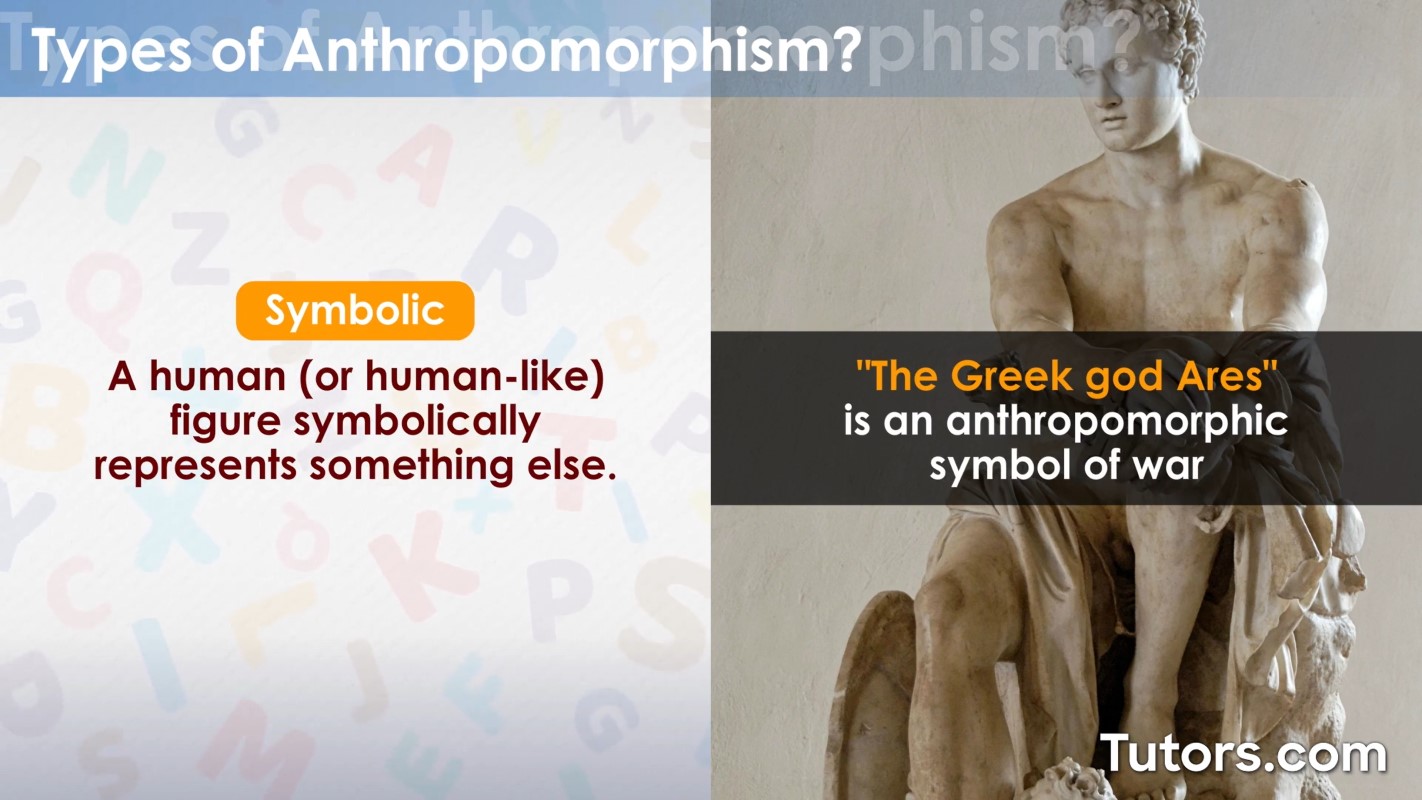
Fashion is an intricate language of signs, and anthropomorphism enriches its lexicon. Animals, when anthropomorphized, serve as symbolic vessels embodying traits and narratives socially or culturally assigned to them. Designers harness these semiotic layers to evoke meanings that resonate on subconscious levels. The choice of an animal figure is rarely arbitrary; it’s an eloquent gesture loaded with connotations shaped by folklore, mythology, and popular culture.
For instance, the lion, anthropomorphized in regal attire, draws upon deep-rooted associations with nobility, courage, and command. This symbolic resonance can elevate a collection from mere apparel to a statement on power dynamics and leadership. Conversely, anthropomorphic depictions of more whimsical creatures, such as rabbits or birds, often communicate playfulness, transformation, or freedom, adding layers of emotional texture to fashion narratives. Understanding these semiotics enables designers to craft collections that communicate complex ideologies beyond the visual surface.
Challenges in Balancing Whimsy and Wearability
Despite its creative allure, incorporating anthropomorphism in fashion design is not without challenge. How does one balance the exuberance of fanciful animal-human hybrids with the practicality and wearability demanded by consumers? The risk lies in skewing too far toward the theatrical, potentially alienating the mainstream audience or pigeonholing collections into niche categories.
Materiality and silhouette must serve dual masters: the imaginative storytelling and the physical requirements of wear. Translating aspects of animal anatomy or personality into fabrics, cuts, and embellishments demands a sophisticated interplay of technical skill and conceptual clarity. Oversized ears, tails, or exaggerated expressions, while evocative, may hamper movement or hinder daily practicality. Designers must innovate—exploring textiles with transformative qualities or modular components that echo the spirit of anthropomorphism without sacrificing comfort.
Moreover, anthropomorphic fashion risks cultural misappropriation or unintentional trivialization if motifs are chosen without sensitivity to meaning or context. Navigating these ethical considerations is paramount to sustaining respect and relevance in a globalized market.
Anthropomorphism and Consumer Psychology
The incursion of anthropomorphic motifs into fashion taps into profound psychological mechanisms that influence how consumers perceive and engage with apparel. Humans are inherently attuned to recognize faces and personalities, a cognitive bias known as pareidolia. When garments or accessories evoke animal forms with human traits, they stimulate emotional responses, fostering a sense of familiarity and attachment.
This affective resonance can heighten consumer loyalty and transform fashion into a form of personal storytelling. Wearing anthropomorphic designs allows individuals to project identities that are playful, quirky, or even subversive. It challenges societal norms related to self-expression and conformity, positioning fashion as both armor and emblem. Additionally, these designs often invite interaction and discourse, amplifying their impact beyond visual aesthetics.
However, designers must consider the heterogeneity of consumer psyches. What charms one demographic may perplex another, affirming the need for nuanced market segmentation when deploying anthropomorphic elements.
Technological Innovations Fueling Anthropomorphic Fashion
Recent technological advancements have significantly expanded the horizons for anthropomorphism in fashion design. Cutting-edge generative AI tools enable designers to experiment with hybrid imagery, blending animalistic features with human forms, producing previously unimaginable concepts rapidly and iteratively. This digital alchemy fosters unprecedented creativity and precision in visualizing anthropomorphic aesthetics.
Beyond digital renders, innovations in fabric engineering—such as shape-memory textiles, 3D printing, and responsive materials—allow garments to physically emulate the fluidity or texture of animal attributes. Imagine a jacket that alters its silhouette to simulate the flutter of a bird’s wings or gloves that mimic the flexible dexterity of paws. These technological breakthroughs challenge the designer’s role, shifting from traditional tailoring to orchestrator of experiential fashion narratives.
Technological integration also offers avenues for personalized anthropomorphic fashion, where consumers can customize traits, creating sartorial avatars that mirror their alter egos or fantasy selves. Such customization furthers fashion’s evolution into an immersive, interactive domain.
Anthropomorphic Fashion as Cultural Commentary
Beyond aesthetics and commercial appeal, anthropomorphic fashion often functions as subtle critique and commentary on contemporary society. By clothing animals in human garb, designers mirror and exaggerate human behaviors, social structures, and idiosyncrasies. This reflective device can underscore issues ranging from identity politics and environmental concerns to consumerism and technological alienation.
For example, the depiction of animals dressed in corporate attire may satirize capitalist paradigms, exposing the predatory aspects of business culture through visual metaphor. Conversely, playful anthropomorphic characters in streetwear might celebrate cultural hybridity and the breakdown of rigid identity categories. Through this lens, fashion transcends utility and becomes a form of socio-political dialogue, inviting wearers and observers to question and rethink prevailing norms.
This embedding of meaning fosters depth within collections, offering intellectual engagement alongside visual intrigue—a balancing act crucial for lasting cultural relevance.
Future Prospects: Towards a Hybridized Aesthetic
Looking forward, the trajectory of anthropomorphism in fashion suggests a gradual hybridity where human, animal, and even digital identities converge. This cross-pollination responds to an increasingly interconnected world, where boundaries between species, cultures, and realities blur. Fashion designers poised at this frontier can harness anthropomorphism not as mere gimmick, but as a sophisticated lexicon for exploring hybridity in identity, nature, and technological embodiment.
The challenge remains: can designers maintain the delicate equilibrium between innovation and accessibility, spectacle and substance? Success lies in their ability to marry the imaginative allure of anthropomorphic motifs with design principles centered on narrative coherence, ethical sensitivity, and user experience. Those who master this balancing act will not only reshape aesthetics but also redefine the very purpose of fashion as a medium of human evolution and expression.