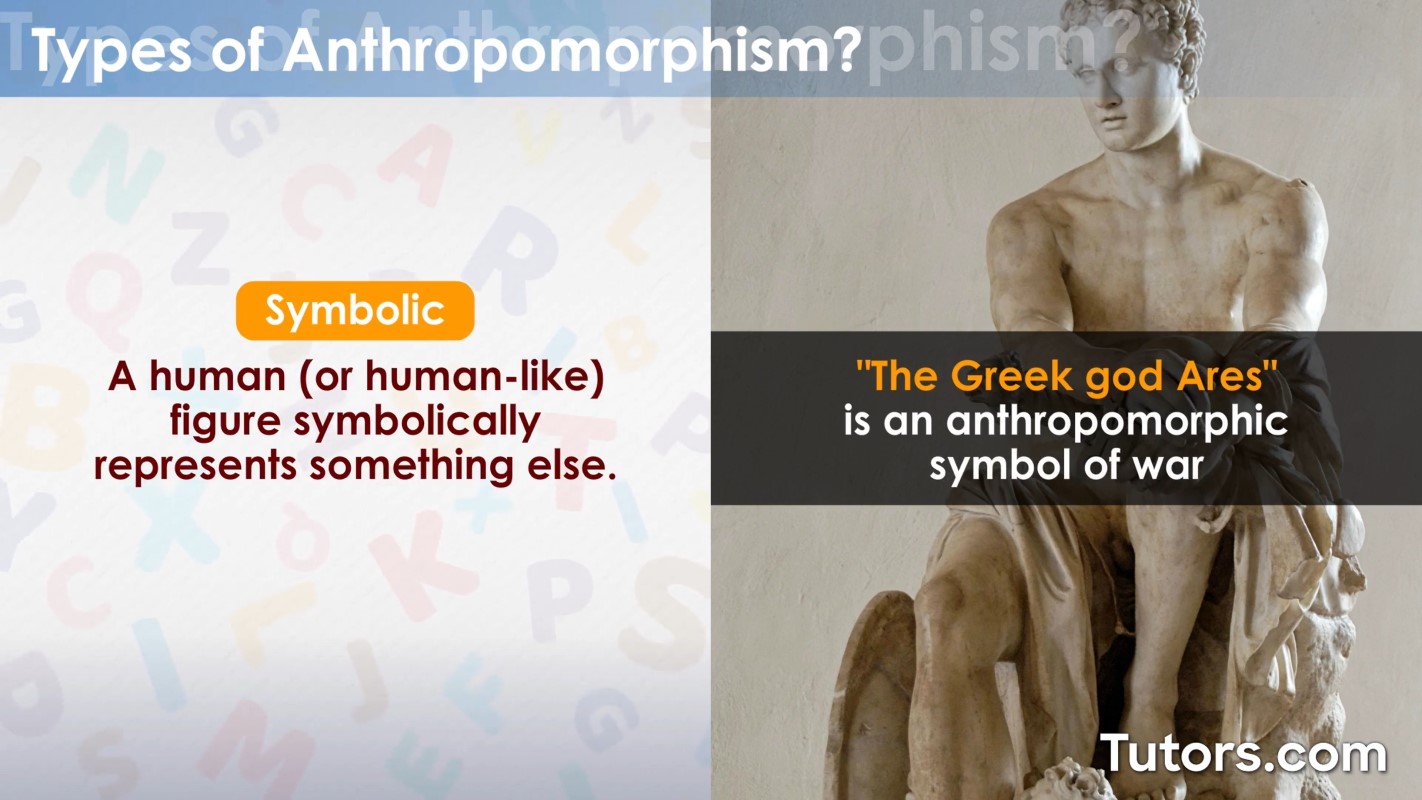
The intricate relationship between consumers and brands has evolved beyond transactional exchanges to a sophisticated dialogue of identity and emotion. One compelling method brands use to forge this connection is anthropomorphism—the attribution of human traits, emotions, or intentions to non-human entities. In the realm of team branding, where collective identity speaks volumes, anthropomorphism offers a transformative lens that redefines engagement and allegiance. How does this subtle humanization alter perceptions and deepen bonds? Journey through the nuanced role of anthropomorphism in team branding and uncover its untapped potential to captivate and inspire.
Anthropomorphism: Breathing Humanity into Team Identities
At the heart of every team brand lies a story—a narrative that transcends mere logos and colors. Anthropomorphism may initially seem a whimsical tool, yet it bestows teams with a living, breathing persona. Assigning human characteristics to a mascot or emblem does more than entertain; it cultivates a relatable archetype, offering supporters a tangible figure with whom to identify. This tactic transforms abstract concepts like teamwork, resilience, or excellence into accessible qualities embodied by a character or symbol, forging a profound emotional resonance.
Such humanized representations evoke empathy and familiarity, bridging gaps between impersonal entities and passionate supporters. They invite fans not just to observe, but to invest emotionally, perceiving the team as a dynamic entity with shared struggles and triumphs. This subtle dialogue between human traits and brand identity shifts the branding paradigm from static visuals to living mythos, challenging conventional approaches.
Psychological Magnetism: Why Anthropomorphized Teams Command Loyalty
Delving deeper, the psychological foundations reveal why anthropomorphism wields tremendous influence over fans’ perceptions. Humans inherently seek patterns and meaning, especially within social contexts. When teams are imbued with anthropomorphic features, they tap into this innate tendency, encouraging fans to attribute intention, personality, and moral standing to the brand.
This phenomenon creates a compelling sense of kinship. Fans are compelled to align their own values with the perceived “character” of the team, fostering not only loyalty but advocacy. Such anthropomorphic branding encourages a reciprocal relationship; the team “acts” and “reacts,” while fans respond with emotional investment. This dynamic can invigorate traditional fandom, turning passive spectators into active community members who champion the team beyond the playing field.
Crafting Narratives: Anthropomorphism as a Storytelling Catalyst
Storytelling is a potent strategy in branding, and anthropomorphism serves as a catalyst that can animate narratives in ways conventional imagery cannot. By bestowing teams or their mascots with human-like qualities, brands ignite imagination, allowing stories to flourish organically. These narratives transcend statistics and scores, delving into the symbolic and figurative.
Consider a team whose mascot embodies perseverance and wit; this figurative hero becomes a vessel through which the brand tells tales of comebacks, struggles, and camaraderie. Such stories not only amplify emotional engagement but also enrich the brand’s cultural fabric. Fans begin to see themselves as part of these tales, creating a collective mythology. This shared lore strengthens community bonds and perpetuates brand vitality across generations.
Anthropomorphism and Visual Semiotics: Enhancing Symbolic Communication
Beyond narrative, anthropomorphism plays a pivotal role in visual semiotics—the study of signs and symbols as elements of communicative behavior. Humanizing team insignias enhances their semiotic richness, enabling them to communicate multi-layered messages without uttering a word.
For instance, animal mascots infused with human qualities—such as a lion exhibiting courage and leadership—convey complex ideals succinctly. These symbols operate as shorthand, instantly transmitting values and expectations associated with the team. The nuanced facial expressions, postures, and gestures of anthropomorphized icons evoke empathy, assert dominance, or inspire hope, depending on the context. This sophisticated visual language deepens the brand’s communicative potency, ensuring immediate recognition and emotional impact.
Transforming Consumer Interaction: From Spectatorship to Relational Engagement
Anthropomorphism fundamentally alters the nature of consumer interaction with team brands. Instead of being mere observers, fans engage relationally—as if the team were a familiar companion endowed with personality and authenticity. This shift encourages interactive behaviors, such as personalized chants, social media dialogues, and fan-art creation, turning the brand into a living entity within the community.
Moreover, this relational engagement transcends traditional marketing boundaries, fostering a participatory culture where fans co-create the brand narrative. The team becomes a conversational partner rather than a distant icon, engendering deeper loyalty and sustained commitment. In an era where genuine connection is coveted, anthropomorphism delivers a nuanced strategy to transform brand followership into passionate membership.
Challenges and Nuances: Navigating Authenticity and Over-Simplification
While anthropomorphism unlocks exciting possibilities, it is not without challenges. An overtly simplistic or cartoonish humanization risks trivializing the team’s essence, potentially alienating segments of the fanbase seeking gravitas and tradition. Striking a balance between approachability and authenticity is crucial.
Furthermore, there are cultural nuances to consider; anthropomorphic symbols must resonate across diverse demographics without misinterpretation. Missteps can lead to unintended connotations, diluting brand equity. Hence, conscientious design and narrative development grounded in genuine team values are essential. Anthropomorphism should enhance, not overshadow, the intrinsic attributes that make the team unique.
The Future of Team Branding: Humanized Identities in a Digital Age
As technology and media evolve, the scope of anthropomorphism in team branding expands dramatically. Augmented reality experiences, AI-driven mascots, and interactive platforms create unprecedented opportunities to deepen anthropomorphic engagement. Teams can simulate “living” personalities that interact in real-time, personalizing fan experiences and reinforcing brand presence.
Digital immersion will blur lines between virtual and real fandom, making anthropomorphic strategies more immersive and enduring. This evolution challenges brands to continually innovate while preserving the intimate human connection that anthropomorphism facilitates. The dialogue between brands and their audiences promises to become ever more dynamic, personal, and transformative.
Anthropomorphism in team branding is far more than a superficial technique; it is a profound catalyst that transforms identities, narratives, and relationships. By infusing teams with human-like warmth, complexity, and vitality, brands not only capture attention but kindle enduring allegiances. This shift in perspective invites us to rethink how brands live and breathe within our cultural consciousness, inciting curiosity and loyalty in equal measure.