From childhood tales featuring talking animals to the latest advances in neuroscience, humans have long demonstrated a penchant for attributing human qualities to non-human entities. This instinctive projection—known as anthropomorphism—not only fuels our imagination but also serves as a powerful heuristic device in scientific inquiry. A compelling case study reveals how leveraging anthropomorphic perspectives has paved the way for groundbreaking understanding of a rare neurological condition, offering fresh insights into both the affliction itself and the fundamental underpinnings of human cognition.
The Intrinsic Allure of Anthropomorphism
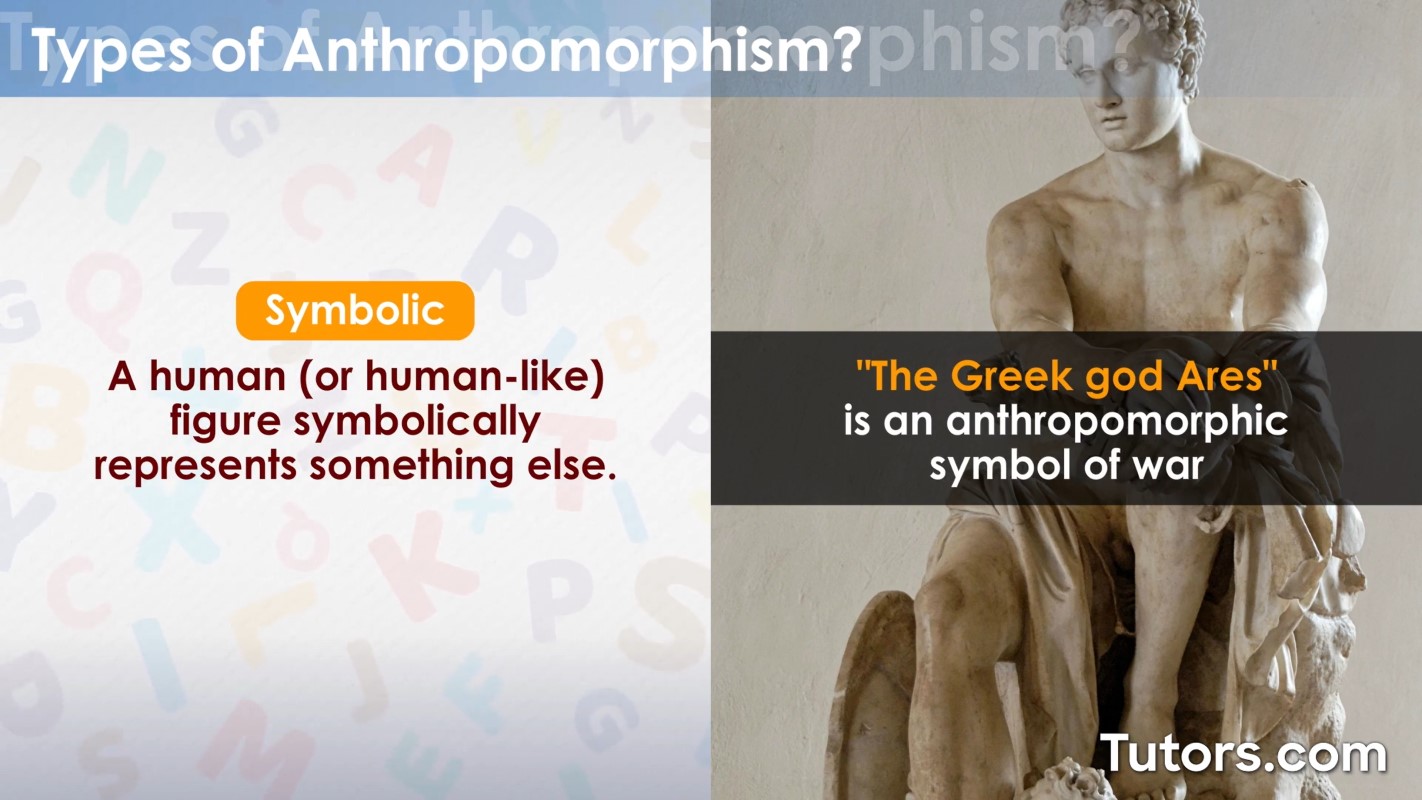
Humans are hardwired to detect agency and intentionality in their environment. This proclivity is evident in a universal tendency to attribute emotions, desires, and intentions to animals, objects, and even abstract concepts. The allure is multifaceted: anthropomorphism simplifies complexity, making the unfamiliar accessible through familiar cognitive frameworks. At a surface level, it comforts and engages us. On a deeper plane, it reflects a profound mechanism by which humans decode social cues, enabling adaptive behavior in a social world.
But why does this tendency extend so naturally into realms seemingly devoid of human life, such as neurological research? The answer lies partly in the parallels between social cognition and neurological function. The brain’s intricate networks engage in recursive modeling to predict behaviors, intentions, and emotional states—both within oneself and others. This same cognitive machinery can inadvertently—or deliberately—be applied to understanding neurological anomalies, by metaphorically ‘inhabiting’ their experiential landscape.
Anthropomorphic Frameworks as Analytical Tools in Neuroscience
At the forefront of neurological research, scientists grapple with opaque symptoms and abstruse biochemical pathways. Conventional methodologies sometimes falter when attempting to map subjective experiences or behavioral manifestations directly onto tangible neural substrates. Anthropomorphism offers an imaginative yet rigorous scaffold: by personifying neuronal circuits or pathological phenomena, researchers can hypothesize with greater nuance and generate testable predictions.
This cognitive strategy transcends metaphorical indulgence—it’s a cognitive affordance that fosters novel perspectives. In the case of exploring rare neurological disorders, wherein patients often exhibit behavioral anomalies that elude straightforward explanation, anthropomorphic analogies illuminate the ‘why’ behind the ‘what.’ Suddenly, neuronal dysfunctions adopt personas—quasi-agents influencing behavior—rendering them more intelligible and approachable for both clinicians and caregivers.
Case Study: Unraveling a Rare Neurological Condition Through Anthropomorphism
Consider a rare neurological condition characterized by perplexing motor and cognitive symptoms, often mistaken for purely psychiatric disturbances. Traditional diagnostic frameworks struggled to capture the layered complexity of this disorder’s presentation. By personifying neural networks responsible for motor control and cognitive integration, researchers conceptualized these circuits as flawed collaborators in a dysfunctional ensemble.
This anthropomorphic lens reframed symptoms not merely as isolated deficits but as manifestations of ‘miscommunication’ or ‘conflict’ among neural agents. For example, impaired motor neurons were envisioned as ‘rebellious’ or ‘delayed’ performers on the neural stage, while cognitive circuits were ‘overburdened mediators’ attempting to compensate. This narrative empowered clinicians to devise targeted interventions that addressed specific ‘behavioral traits’ of the malfunctioning circuits.
Further, patients’ subjective experiences gained richer textures. Clinicians reported that explaining symptoms through anthropomorphic narratives helped patients and families comprehend the condition’s nuances, reducing stigma and fostering empathy. It transformed an esoteric clinical entity into a relatable story of internal struggle and adaptation.
Mechanistic Insights and Molecular Revelations Guided by Anthropomorphic Analogies
On a molecular scale, anthropomorphic reasoning triggered new lines of inquiry. Instead of viewing molecular anomalies as mere chemical irregularities, researchers reinterpreted them as ‘misfiring’ messages within the brain’s communication network—each molecule taking on a role akin to an errant ‘messenger’ or ‘guard’ failing to perform its duties. This perspective not only sharpened hypotheses regarding pathogenesis but also directed attention to specific molecular targets.
The resultant investigations unveiled previously unrecognized pathways, highlighting how subtle conformational changes in proteins could precipitate cascading failures analogous to ‘chain reactions’ in human relationships. A cascade of molecular misalignments was thus seen as a microcosm of interpersonal conflict, providing a compelling analogy that propelled the discovery of biomarkers and therapeutic targets.
Broader Implications: Anthropomorphism as a Bridge Between Subjectivity and Objectivity
This case underscores anthropomorphism’s capacity to bridge the subjective realm of experience with the objective domain of empirical science. It validates the human instinct to narrativize and personalize phenomena as a legitimate epistemic tool rather than mere fanciful elaboration. In neuropsychology and related disciplines, this approach fosters a more holistic understanding that integrates neurological data with lived experience.
Moreover, anthropomorphism serves as a pedagogical device, demystifying complex scientific concepts for a broader audience. By humanizing the interactions within the brain, it opens doors for improved communication between researchers, clinicians, patients, and the public. This democratization of understanding is essential in contexts involving stigmatized or poorly understood conditions.
Ethical Considerations and Potential Pitfalls
While anthropomorphism offers remarkable heuristic benefits, scientists must wield it judiciously. There is a risk of oversimplification or misrepresentation, where neural processes are ascribed intentions or emotions they do not possess, potentially skewing interpretations or expectations. Striking a balance between evocative metaphor and empirical rigor is vital to harness the method’s full potential without compromising scientific integrity.
Additionally, anthropomorphic explanations should complement, not replace, mechanistic investigations. Their strength lies in hypothesis generation and communication rather than definitive proof. Maintaining awareness of these boundaries ensures that anthropomorphism remains a constructive force rather than a conceptual crutch.
Future Directions: Expanding the Role of Anthropomorphism in Neurological Research
Encouraged by the success of this case study, future research can systematically incorporate anthropomorphic frameworks to explore other complex neurological and psychiatric disorders. Advances in artificial intelligence and brain imaging may further enhance the fidelity of these metaphors, enabling dynamic ‘personifications’ of neural activities in real time.
Such multidisciplinary convergence promises to unlock deeper layers of understanding about the brain’s inner workings and their perturbations. By continuing to explore how human qualities can illuminate non-human systems, researchers stand poised to transcend traditional disciplinary boundaries and pioneer novel therapeutic paradigms that resonate both scientifically and humanistically.
Ultimately, anthropomorphism reflects more than a quaint cognitive quirk—it embodies the profound human quest to connect with, comprehend, and ultimately heal the enigmatic workings of our own minds.