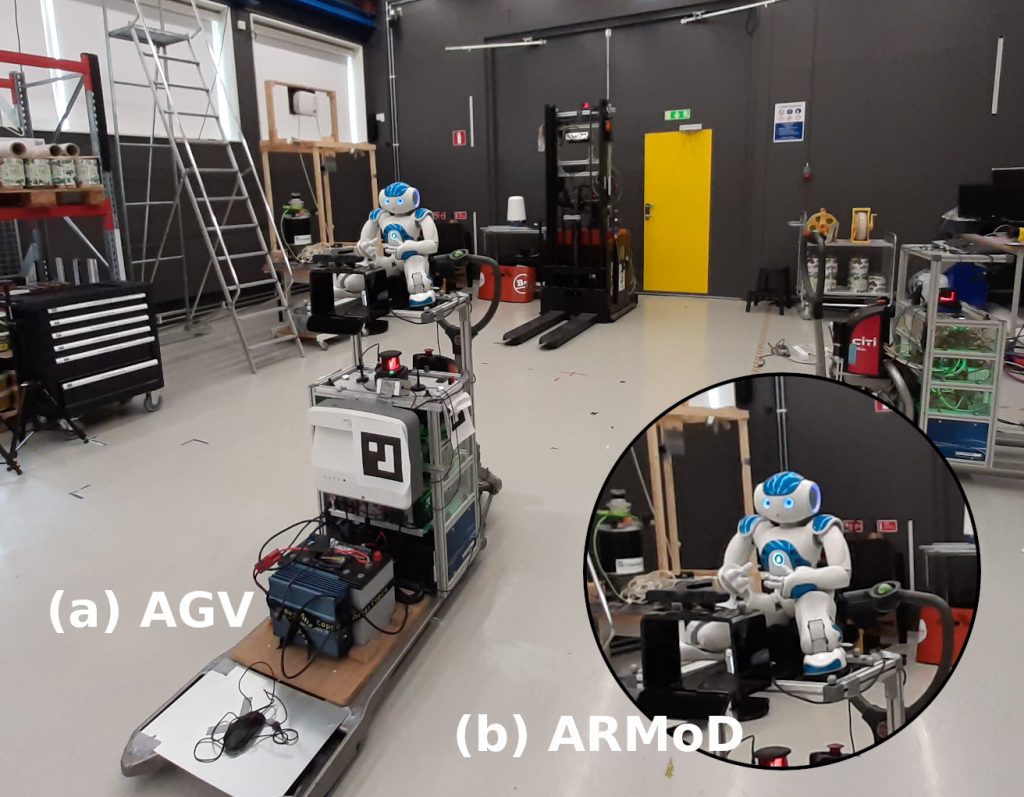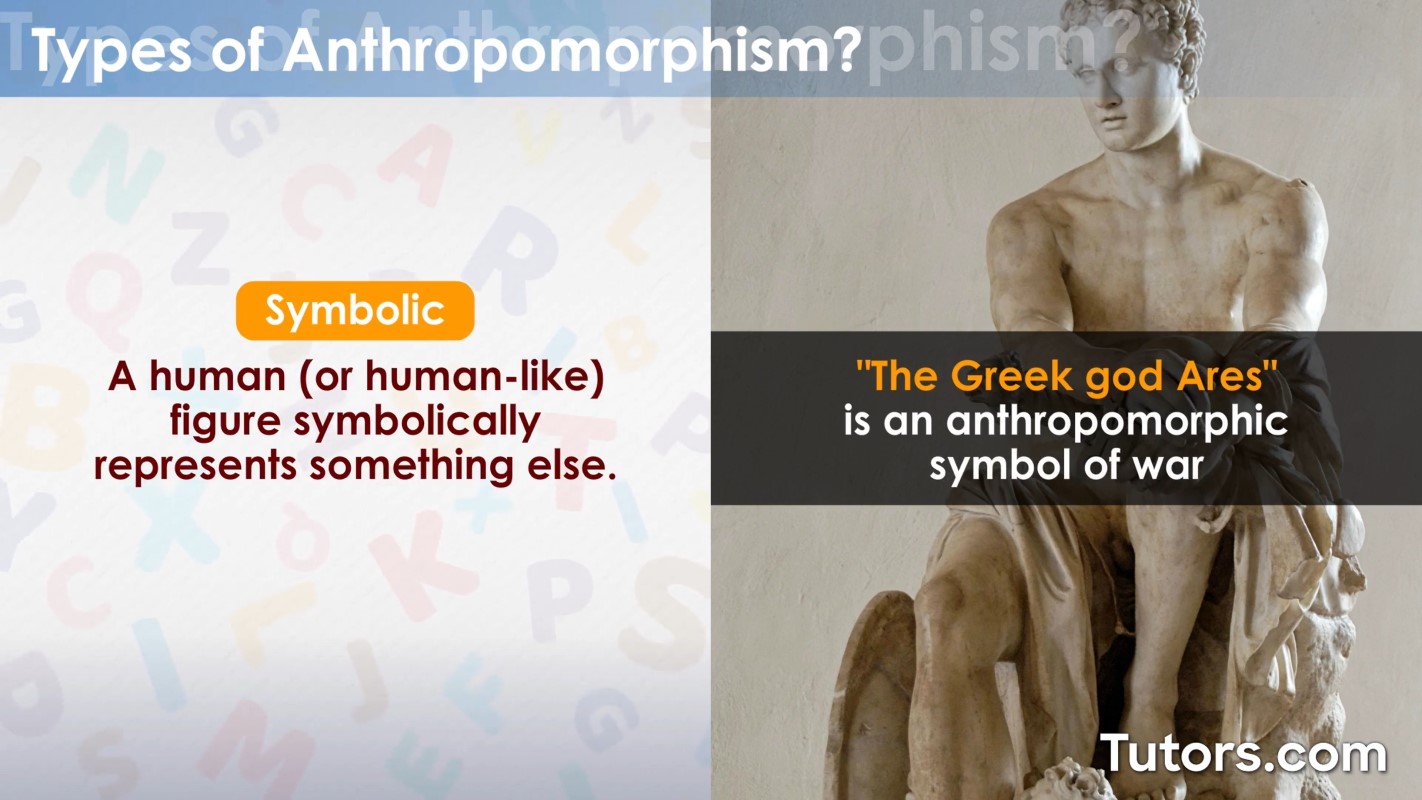
Investor behavior is often viewed through the lens of pure logic, market trends, and financial analysis. Yet, lurking beneath this ostensibly rational facade lies a complex psychological tapestry interwoven with anthropomorphic tendencies. Anthropomorphism—the attribution of human traits, emotions, and intentions to non-human entities—casts an intriguing shadow over the way investors perceive, interact with, and react to markets and financial instruments. This phenomenon promises a profound shift in perspective, compelling us to reexamine investment decisions not merely as the products of cold calculation but as manifestations of deep-seated human inclinations. Exploring the intersections of anthropomorphism and investor behavior unlocks new dimensions of understanding, revealing how humanlike projections influence risk assessment, market sentiment, and decision-making processes.
The Anthropomorphic Lens: Transforming Impersonal Markets into Relatable Entities
One of the most captivating ways anthropomorphism infiltrates investor psychology is through the process of personification—imbuing stocks, companies, or entire markets with human characteristics. Investors instinctively assign personalities to entities such as corporations or market indices, envisioning them as benevolent or malevolent actors with moods, intentions, and temperaments. A stock might be described as “strong-willed,” a market “nervous,” or a CEO “moody.” Such descriptors do more than add color; they fundamentally reshape the investor’s relationship with the market.
This humanization simplifies complex financial data, making abstract or opaque information accessible and emotionally resonant. Investors begin to trust or distrust entities much like they would individuals, relying on perceived “character traits” rather than solely on concrete financial metrics. This translation of market forces into human terms influences confidence and loyalty, often leading investors to form emotional attachments or aversions to specific assets.
Imbuing Financial Instruments with Intent: The Illusion of Agency
Closely linked to personification is the anthropomorphic attribution of intent and volition to inanimate market forces and financial instruments. This manifests as the belief that a stock, bond, or cryptocurrency “wants” to perform well or “is trying” to avoid a downturn. Such tendencies propagate the illusion of agency, where non-sentient market phenomena are interpreted as purposeful actors navigating complex landscapes.
This perception introduces a subtle yet powerful cognitive bias. Investors begin to expect patterns of behavior consistent with human intentions, often projecting foresight, deceit, or strategic planning onto market movements. The stock market is not an emotional entity, yet when investors imbue it with these qualities, their behavioral responses shift drastically. They might interpret a brief dip as a “punishment” or a rebound as a “reward,” shaping their trading strategies with these anthropomorphic narratives as guiding stars.
Emotional Resonance: How Anthropomorphism Fuels Overconfidence and Herd Behavior
Anthropomorphism heightens emotional engagement, which is a double-edged sword in investment contexts. When investors anthropomorphize a company or asset, they imbue it with emotions that mirror their own hopes, fears, and biases. This deep emotional connection can fuel overconfidence, whereby investors overestimate their ability to anticipate market outcomes or to “read” an entity’s signals with human-like insight.
Moreover, anthropomorphic thinking contributes to herd behavior. When investors perceive that a “confident” company or market is garnering widespread enthusiasm, they may succumb to the allure of collective sentiment, reinforcing the anthropomorphic illusion on a group scale. The market, thus personified as a living organism, appears to exhibit social proof cues that investors feel compelled to follow. This recursive dynamic can precipitate bubbles and dramatic sell-offs, underscoring the substantial impact anthropomorphism exerts on collective investment dynamics.
The Bias Trap: Anthropomorphism’s Role in Cognitive Distortion and Misjudgment
While anthropomorphic projections can aid in conceptualizing complex data, they also open the door to several cognitive biases detrimental to sound investing. One such distortion is the fundamental attribution error, where investors attribute company performance to inherent “character” rather than external factors like market conditions or regulatory changes.
Similarly, the confirmation bias is exacerbated by anthropomorphic narratives. Investors selectively seek out information that supports their perceived “personality” of a stock or company, ignoring data that contradicts their anthropomorphic view. This selective interpretation entrenches flawed investment strategies and may perpetuate suboptimal portfolio choices.
Shaping Communication and Marketing: Corporate Anthropomorphism and Investor Relations
Recognizing the power of anthropomorphism, corporations and financial marketers strategically craft communications that encourage personification. CEOs become the “face” of companies, brand narratives emphasize human values, and investor relations campaigns often leverage storytelling that anthropomorphizes the business journey as one of perseverance and innovation.
This intentional cultivation of anthropomorphic imagery nurtures investor identification and trust. When investors perceive companies as relatable, empathetic entities, it softens the transactional nature of investment and encourages a sense of partnership or camaraderie. While this approach can enhance engagement, it also risks obscuring objective analysis with emotive appeals, underscoring the critical need for discerning investor acumen.
Technological Amplification: Algorithms, AI, and the Anthropomorphized Market
The advent of advanced technologies such as algorithmic trading and artificial intelligence has added a new layer to the anthropomorphism phenomenon. Traders and investors often anthropomorphize AI-driven systems, imagining them as “smart,” “adaptive,” or “sentient” decision-makers. This attribution influences how users trust and rely on automated trading platforms.
Yet, this anthropomorphic lens blinds some investors to the limitations and risks embedded in algorithmic processes, fostering misplaced confidence. Understanding that these technologies operate based on programmed rules rather than conscious insight is crucial. However, the tendency to ascribe human qualities to these systems subtly shifts human-machine interaction and investor behavior, creating a fertile ground for novel biases and expectations.
Conclusion: Toward a More Nuanced Understanding of Investor Psychology
The pervasive influence of anthropomorphism on investor behavior invites a paradigm shift in how financial decision-making is conceptualized. Far from being purely logical actors, investors are deeply human, navigating markets with psychology laden by anthropomorphic projections. These projections shape perceptions, emotions, biases, and ultimately, investment outcomes.
By acknowledging and critically examining the anthropomorphic tendencies underlying their choices, investors can cultivate greater self-awareness, mitigate cognitive pitfalls, and harness emotional insight without being unduly led astray. This nuanced understanding paves the way for more robust, reflective investment practices that honor both the human element and the complexity of the financial landscape.