Imagine a world where the line between human and machine blurs so seamlessly that gig workers not only collaborate with artificial intelligences but also attribute personalities and intentions to them. Could the rise of anthropomorphism in the gig economy transform how we perceive digital platforms and automated agents? This interplay between human sensibilities and mechanized processes poses a curious challenge: might imbuing AI and algorithmic entities with human traits alter the trust, dynamics, and future trajectory of gig work?
The Genesis of Anthropomorphism in the Gig Economy
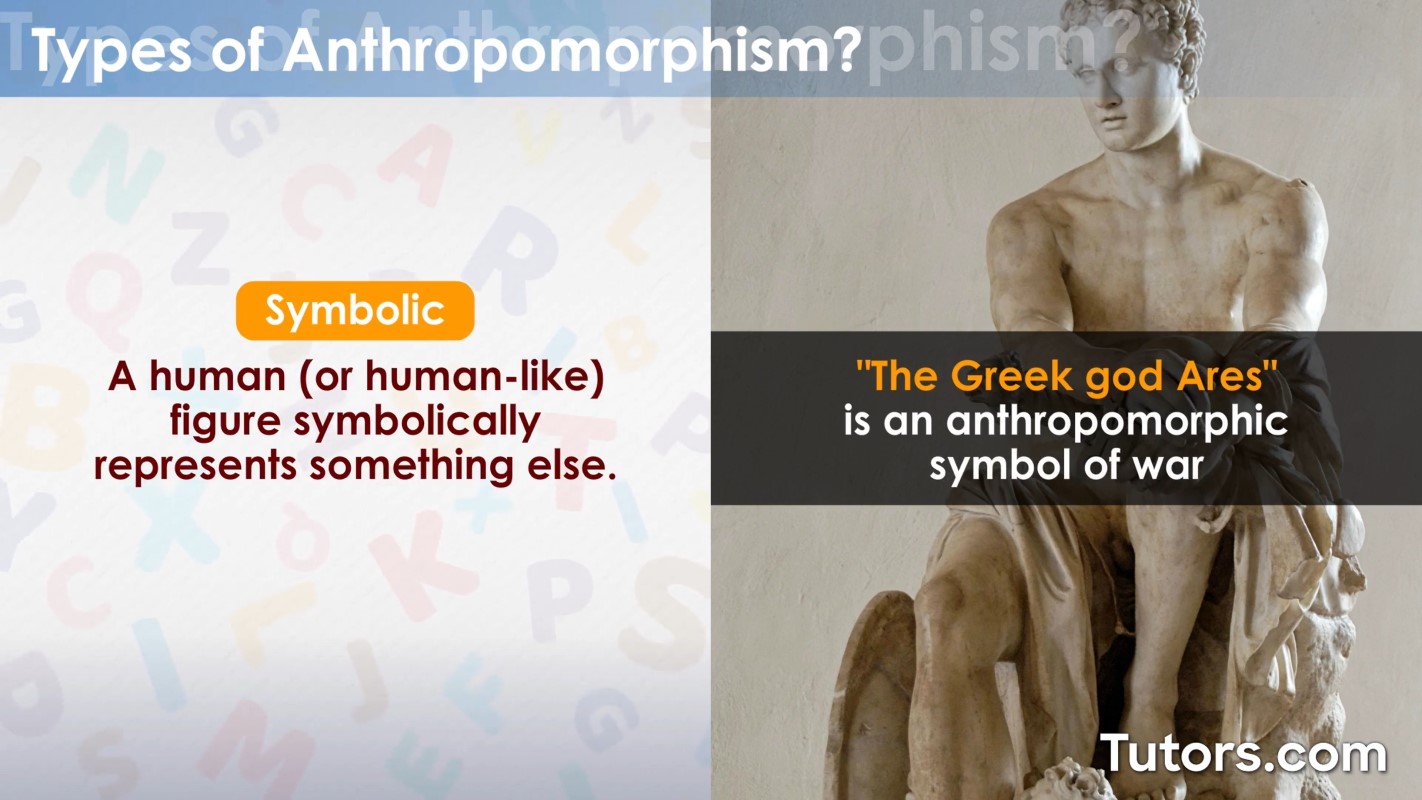
Anthropomorphism, the act of projecting human characteristics onto non-human entities, is an instinctive cognitive bias deeply rooted in human psychology. The gig economy, with its increasing reliance on algorithmic management systems, chatbots, and AI-powered platforms, has become fertile ground for this phenomenon. Workers and clients alike often perceive these digital intermediaries as more than mere tools. They assign motivations, emotions, even moral judgments to faceless algorithms directing their tasks, payments, and evaluations.
Such projection is driven by the complexity and opaqueness of modern gig platforms. When the rationale behind task allocation or account suspension remains inscrutable, workers cling to personified explanations—a “strict but fair” algorithm, a “capricious” digital manager, or a “benevolent” recommendation engine. This tendency to sensationalize and humanize abstractions arises as a coping mechanism, simultaneously empowering and complicating the worker-platform relationship.
Impact on Trust and Worker Engagement
Trust, an elusive yet foundational element in any economic transaction, assumes new dimensions when anthropomorphism infiltrates the gig space. Unlike traditional employers, gig platforms often lack a human face or hierarchical accountability. When algorithms gain perceived agency and character, workers’ trust pivots on how these “virtual managers” behave in their eyes. A platform that’s “transparent” or “fair” fosters goodwill; one deemed “unpredictable” or “vindictive” erodes morale.
In this light, the degree of anthropomorphic attribution influences worker engagement and retention. Research suggests that when workers believe an algorithm cares or understands their context, their satisfaction and compliance improve. Conversely, perceiving algorithms as cold, bureaucratic, or hostile may exacerbate alienation and disillusionment. Herein lies a paradox: platforms strive for impartial efficiency but may unwittingly fuel narratives casting their systems as opaque arbiters with human foibles, leading to mistrust or resignation.
Ethical Implications of Anthropomorphic Interfaces
The emergent trend of deliberately designing interfaces and agents with anthropomorphic features introduces profound ethical questions. Many platforms deploy chatbots and virtual assistants equipped with conversational nuances, emotive expressions, and user-personalized interactions. While this can enhance user experience and reduce friction, it risks blurring the line between genuine human care and programmed mimicry.
This artificial empathy might engender false expectations regarding advocacy, fairness, or discretion. Gig workers may be lulled into believing these digital interlocutors possess understanding and discretion when, in reality, they operate under rigid scripts and business imperatives. Such illusions complicate accountability, as workers misattribute decisions to “the system” rather than corporate strategies or profit motives. Thus, anthropomorphized agents could simultaneously humanize and depersonalize the gig labor experience.
Algorithmic Bias and the Consequence of Personification
Another pivotal facet is the intersection between anthropomorphism and algorithmic bias. Algorithms driving gig economies are often opaque and trained on datasets reflecting societal inequalities. When workers anthropomorphize these systems, they might unjustly ascribe malicious intent or incompetence to a “digital overseer” while overlooking structural biases embedded in the code.
This misattribution can obscure efforts to demand transparency and reform. If a workforce collectively believes a “stingy” algorithm is simply an inscrutable character trait, they may not advocate effectively against systemic discrimination in job assignment or remuneration. Conversely, proper understanding devoid of anthropomorphic metaphor enables targeted critiques and pushes for equitable redesigns of gig platforms.
The Role of Anthropomorphism in Future Gig Work Technologies
The trajectory of gig economy technologies points toward ever-more sophisticated AI agents endowed with nuanced interpersonal skills. Voice assistants that sound empathetic, virtual concierges offering personalized feedback, and predictive systems that “anticipate” worker needs are fast becoming the norm. Anthropomorphism will likely intensify as these agents mimic human affective responses and behavioral patterns more convincingly.
Such evolution presents dual possibilities: it could revolutionize gig work by fostering deeper connections, smoother communication, and heightened motivation. Alternatively, it might deepen dependency on technology and obscure human accountability. The future may witness a synthesis where human and AI coworker personas intermingle, redefining labor relationships and workers’ identities within decentralized economies.
Challenges in Balancing Humanization and Transparency
Navigating the fine line between leveraging anthropomorphic design to engage workers and maintaining transparency poses a significant challenge for gig platforms. Over-humanizing systems risks creating illusions that obscure the inherently mechanized nature of digital labor management. Under-humanizing them may alienate workers by fostering cold, transactional interactions devoid of empathy.
Platforms must strive for an equilibrium—a design ethos that harnesses the motivational and relational benefits of subtle personification whilst upholding clarity about agency, responsibility, and the limits of AI. This balance is crucial not only for trust but for ethical labor practices and the long-term sustainability of gig ecosystems.
Conclusion: The Playful Question That Remains
As the gig economy matures, the future of anthropomorphism within it remains an open-ended puzzle. Will workers come to embrace their algorithms as quirky collaborators, or will the personification of these systems deepen divides and misunderstandings? Could fostering digital empathy become the key to more humane gig work, or will it mask systemic deficiencies behind a friendly façade? The answers lie not only in technology but in societal values, governance, and the evolving dance between humans and the machines they create.
The challenge remains: how to cultivate productive partnerships with algorithmic entities—imbued with personality but stripped of pretense—so the gig economy thrives on trust, fairness, and mutual respect, rather than illusion and estrangement?