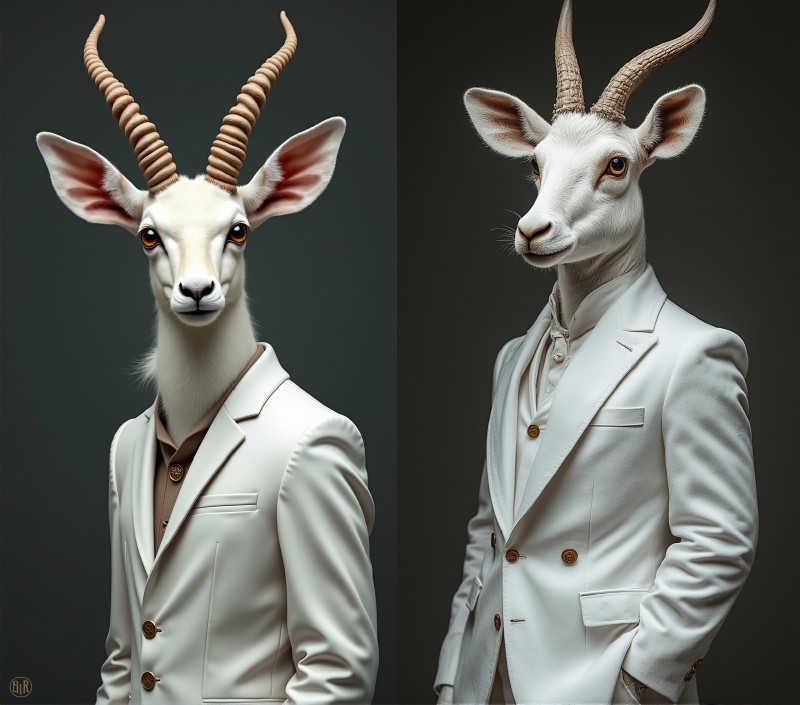
Imagine peering into a mirror, only to find not your own reflection, but a creature fashioned from the threads of instinct and imagination—an anthropomorphic animal, melding human traits with the primal allure of the natural world. These hybrid beings occupy a liminal space between the wild and the civilized, between the tangible and the symbolic. The psychology underpinning anthropomorphic animal models reveals a fascinating landscape of human cognition, emotion, and cultural narrative, offering a portal into the subconscious desires and fears that shape our understanding of identity and meaning.
The Symbolic Resonance of Anthropomorphism
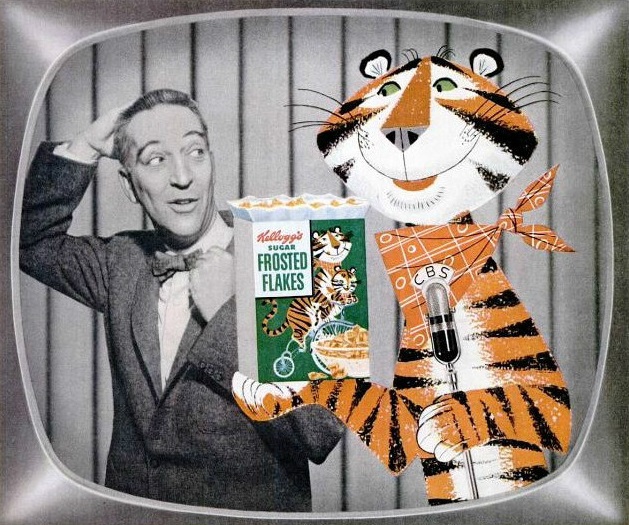
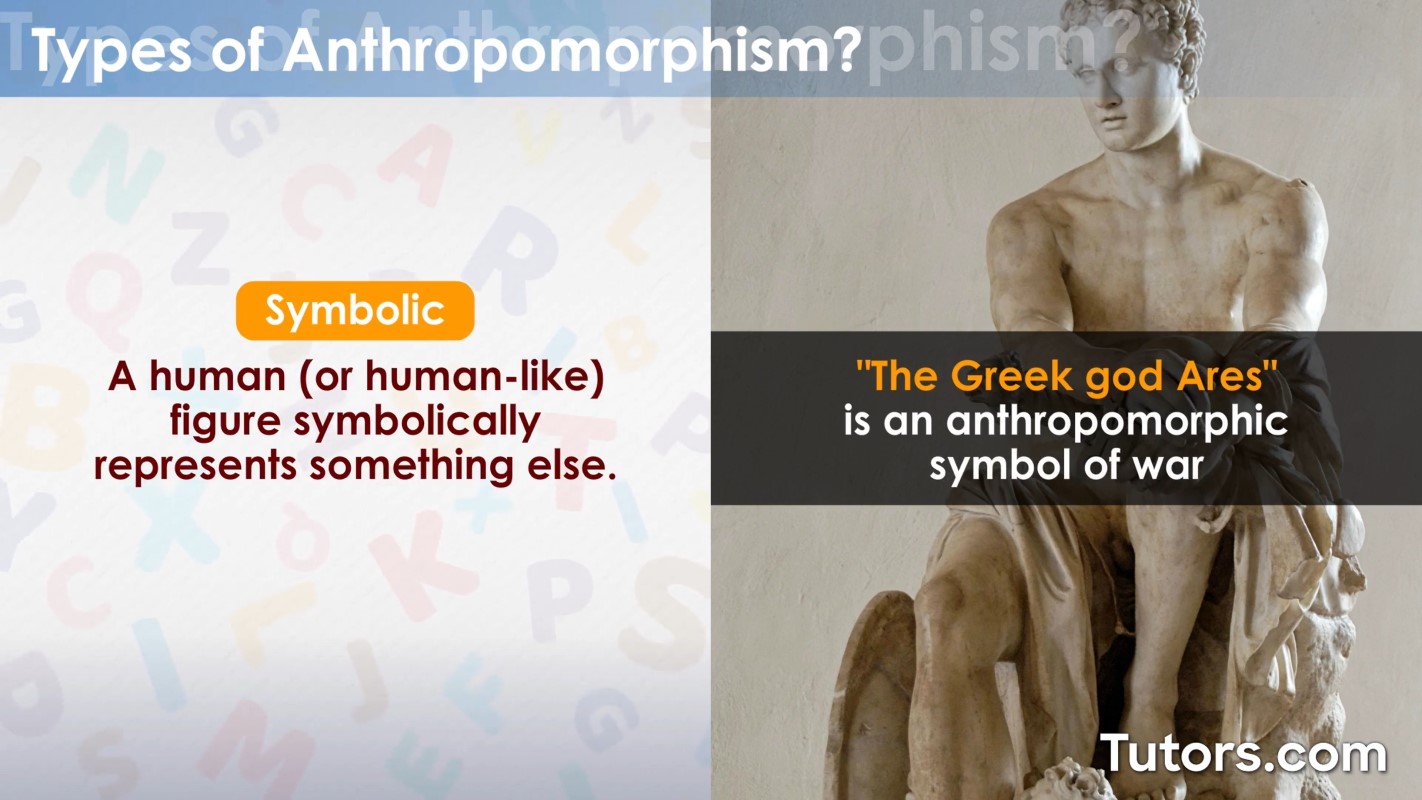
At its core, anthropomorphism acts as a metaphorical bridge—one that spans the chasm between humanity and the animal kingdom. This cognitive transmutation allows humans to imbue animals with intentions, emotions, and moral frameworks, projecting our inner turmoil and virtues onto external forms. Anthropomorphic animal models captivate because they serve as mirrors holding not just physical likeness but symbolic resonance. They embody complex archetypes: the cunning fox, the noble lion, the wise owl—each one a vessel for collective myths and personal reflections alike.
Intriguingly, this symbolic resonance taps into a primordial urge to find kinship in the other. Animals, in their enigmatic ways, represent facets of the human psyche that are difficult to articulate directly. Through anthropomorphic lenses, these facets gain clarity, offering a mode of expression that is at once viscerally immediate and intellectually profound.
The Cognitive Allure: Why Human Traits in Animal Forms Fascinate
The human brain is hardwired to detect patterns and assign meaning. When confronted with anthropomorphic animal models, cognitive mechanisms engage in a dance of recognition and reinterpretation. Our mental faculties are drawn to animate objects that blur the line between species because they activate social cognition networks—those same neural pathways responsible for interpreting human facial expressions, gestures, and emotions.
This blurring is not simply artistic whimsy; it satisfies a deep-seated craving for empathy and understanding. Anthropomorphic representations prime the brain to respond with social empathy, which explains why these figures often evoke stronger emotional connections than their purely animal or human counterparts. The familiarity of human features, paired with the exoticism of animal traits, creates a compelling paradox—one that captures attention and invites ongoing engagement.
The Narrative Power Embedded in Hybrid Identities
Anthropomorphic animal models serve as narrative vessels, encapsulating stories that explore identity, morality, and transformation. They symbolize thresholds—points of transition where one state dissolves and another emerges. This liminality is reflected in their form, where the juxtaposition of human and animal elements sparks contemplation on the fluidity of selfhood.
These hybrid identities invite audiences to explore the multifaceted nature of existence: the tension between instinct and reason, freedom and societal constraint, the sacred and the profane. In literature, art, and digital media, anthropomorphic figures function as catalysts for introspection, questioning the boundaries that define us and urging us to reconsider the rigid categorizations imposed by culture.
The Emotional Impact and Empathic Engagement
Emotions are the sinews that bind audiences to stories, and anthropomorphic animal models are uniquely poised to tug these sinews with compelling force. The combination of human expression with animalistic features creates an uncanny valley of familiarity and otherness. This interplay triggers emotional ambivalence—a sense of wonder mingled with unease—which heightens engagement and deepens affective responses.
Moreover, these models act as safe containers for exploring difficult emotions. Because the characters are not fully human, viewers feel less defensive and more open to confronting complex feelings such as fear, prejudice, or loss. The anthropomorphic form gently disarms cognitive defenses, framing challenging experiences within a fantastical context that promotes psychological processing and catharsis.
The Cultural and Psychological Functions of Anthropomorphic Models
Anthropomorphic models function as social and cultural touchstones, encoding collective anxieties and aspirations. They frequently emerge during epochs of cultural transition, serving as metaphors for societal evolution or disruption. Within psychological frameworks, they act as externalizations of the shadow self—an embodiment of traits suppressed or marginalized by dominant social norms.
This externalization allows both creators and audiences to negotiate personal and communal identities through narrative and visual symbolism. By engaging with these figures, individuals access a collective repository of meaning, enabling exploration of taboo subjects and facilitation of cultural dialogue. The enduring popularity of anthropomorphic models underscores their indispensable role as tools of psychological integration and cultural expression.
The Unique Appeal of Anthropomorphic Models in Modern Media
In contemporary contexts—ranging from animation to video games and virtual environments—anthropomorphic animal models captivate not only because of their aesthetic distinctiveness but due to their capacity to mediate complex human experiences in accessible ways. They provide avatars through which users can experiment with identity, explore alternate realities, and embody qualities otherwise unreachable.
Furthermore, the visual hybridity of these models supports a multiplicity of interpretations, allowing for personalized meaning-making. The versatility inherent to anthropomorphic forms fuels creativity and innovation, redefining boundaries between the animate and inanimate, the real and the fantastical. This continual reinvention sustains their appeal across diverse audiences and mediums.
Conclusion: The Enduring Enchantment of Anthropomorphic Animal Models
The psychology of anthropomorphic animal models reveals a profound human inclination toward synthesis—melding the rational with the instinctual, the familiar with the mysterious. These figures serve as metaphoric mirrors and emotional conduits, inviting us to interrogate the nature of identity, empathy, and transformation. Their unique appeal lies in their ability to occupy a transcendent space, one where the primal meets the reflective, and where stories of self and society unfold in vividly imaginative forms. As psychological constructs and cultural icons, anthropomorphic animal models endure as compelling testaments to humanity’s ceaseless quest for meaning at the interstices of nature and nurture.