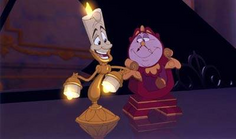
In the dynamic and highly competitive world of pet advertising, the use of anthropomorphism—the attribution of human traits, emotions, or intentions to animals—has surged as a powerful tool to captivate consumers. This technique goes beyond mere cuteness; it subtly reshapes perceptions and influences purchasing behavior in ways that are both intricate and profound. Exploring the nuances of anthropomorphism in pet ads promises not only a shift in how marketers approach their craft but also invites us to question the psychological underpinnings that drive consumer engagement and loyalty. How does imbuing pets with human-like qualities impact sales? The answer unfolds through a fascinating interplay of emotional resonance, cognitive bias, and behavioral economics, revealing strategies that redefine the marketplace for pet products.
The Emotional Magnetism of Anthropomorphic Imagery
Humans are innately wired for empathy, and when pet ads featuring anthropomorphized animals tap into this primal capacity, they create an immediate emotional magnetism. By depicting pets with expressive human-like eyes, postures, and even dialogue, advertisers evoke feelings of warmth, companionship, and understanding. This emotional appeal does more than engage the viewer temporarily; it forges a bond, a perceived relational depth that transforms ordinary products into essential components of a shared experience between owner and pet. The effect is akin to a nuanced narrative, inviting consumers to project their own stories, dreams, and desires upon these portrayed pets. Consequently, the purchasing decision transcends practicality and becomes an act of emotional fulfillment.
Anthropomorphism as a Cognitive Shortcut in Decision-Making
Marketing psychology recognizes the power of cognitive heuristics—mental shortcuts that ease the decision-making process. In pet advertising, anthropomorphism functions as such a heuristic by simplifying complex emotional and practical considerations into relatable, human terms. When a pet in an ad smiles or ‘communicates,’ potential buyers interpret these signals in anthropocentric ways, attributing intentions such as happiness, gratitude, or loyalty. This cognitive framing reduces uncertainty, making products appear more trustworthy and desirable. In essence, anthropomorphic cues provide a familiar narrative scaffolding that consumers use to predict outcomes, enhancing confidence in their purchases.
Enhancing Brand Identity and Loyalty Through Anthropomorphic Storytelling
Beyond individual products, anthropomorphism in pet ads plays a pivotal role in sculpting brand identity. Brands anthropomorphize pets not just as mascots but as personalities imbued with distinctive voices and characteristics. This technique cultivates a brand mythology that consumers emotionally invest in over time. When a brand consistently uses the same anthropomorphic characters or themes, it builds recognition and fosters loyalty, encouraging repeat purchases and advocacy. The pet figures become symbolic representations of the brand’s values—care, trust, playfulness—resonating deeply with pet owners who see themselves reflected in these qualities. Such storytelling weaves a fabric of relational continuity that elevates the brand above competitors.
Risks and Ethical Considerations in Anthropomorphic Advertising
While anthropomorphism boosts appeal, it carries inherent risks that can undermine long-term consumer trust. Overly sentimental or unrealistic portrayals may set false expectations about pet behavior or product efficacy—creating disappointment or consumer backlash. For example, advertising a pet food suggesting it will turn a dog into a happy, conversational companion might mislead buyers about actual results. Additionally, ethical concerns arise regarding the manipulation of consumer emotions; anthropomorphism exploits empathetic biases, which calls for a delicate balance between persuasion and honesty. Advertisers must tread carefully to maintain credibility without diminishing the genuine needs and behaviors of pets.
Driving Curiosity and Engagement through Anthropomorphic Narratives
Curiosity is a potent driver of consumer interaction, and anthropomorphic narratives deftly pique this impulse by framing pets as enigmatic, relatable characters with desires and quirks. Ads often hint at stories, challenges, or adventures from the pet’s perspective, prompting viewers to engage more deeply with the content—clicking links, watching videos, or sharing on social media. This narrative strategy enriches the consumer experience, transforming passive viewing into active participation. Such engagement heightens brand memorability and expands reach organically, creating a ripple effect that elevates sales without traditional hard-sell tactics.
Anthropomorphism’s Role in Differentiating Products in a Saturated Market
In an increasingly saturated market where many pet products offer similar functional benefits, anthropomorphism provides a unique dimension for differentiation. By attributing personalities and emotional backstories to pets, brands encourage consumers to choose products aligned not just with their pet’s needs but with their own identity and emotional aspirations. This differentiation moves beyond features and price, entering the realm of meaning and symbolism. Consumers often select products that they feel express their relationships with their pets, with anthropomorphic advertising enabling this connection. The result is a competitive advantage rooted in emotional branding rather than solely on utilitarian value.
Future Directions: Integrating Anthropomorphism with Emerging Technologies
Looking forward, the integration of anthropomorphism with emerging technologies such as augmented reality (AR) and artificial intelligence (AI) promises to revolutionize pet advertising. Interactive ads where consumers can ‘converse’ with anthropomorphic virtual pets or experience personalized narratives are already on the horizon. These innovations will amplify emotional engagement and provide immersive experiences that traditional media cannot achieve. Such tailored storytelling can further sharpen brand differentiation and deepen consumer loyalty, while simultaneously collecting invaluable data on preferences and behaviors. The potential for augmented anthropomorphism to transform the sales landscape is immense, signaling a new era of consumer connection.