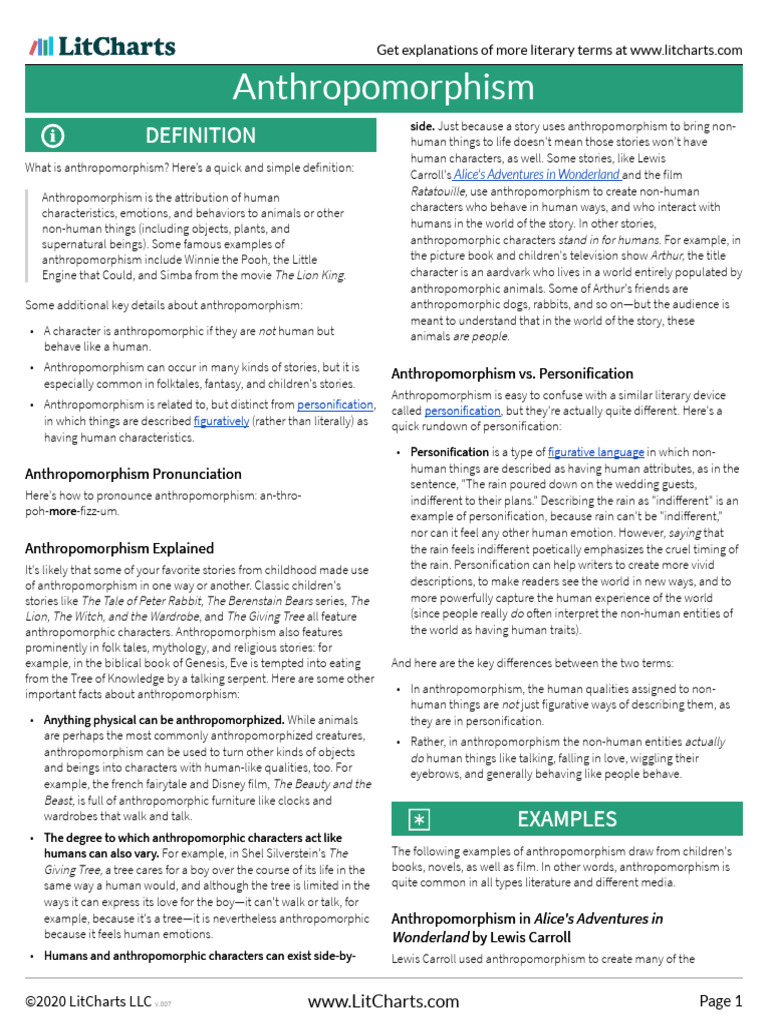
In the grand theater of human-animal interaction, anthropomorphism often takes center stage, draping animals in the familiar garb of human emotion and intent. This captivating lens not only colors our perceptions but also profoundly shapes the way we train and communicate with our animal companions. The role of anthropomorphism in animal training is akin to holding a double-edged quill—while it can script empathy and connection, it also flirts with the pitfalls of misunderstanding. Exploring this intricate interplay reveals how assigning human characteristics to animals can both illuminate and obscure their true nature, influencing training methodologies and outcomes in compelling ways.
Anthropomorphism as a Bridge for Empathy
At its heart, anthropomorphism serves as an emotional conduit, creating a bridge between disparate species through the projection of human-like qualities onto animals. This imaginative gambit fosters a sense of familiarity, allowing trainers and pet owners to intuitively relate to creatures whose behaviors might otherwise seem cryptic. For instance, interpreting a dog’s wagging tail as a smile, or a cat’s slow blink as a wink of affection, transforms abstract animal signals into recognizable sentiments. This empathetic framework engenders patience and compassion during training, providing motivation to persevere through challenges and celebrate successes.
However, the seductive power of empathy derived from anthropomorphism goes beyond mere sentimentality. It catalyzes a deeper emotional investment in the training process, encouraging humans to tune their responses finely to their animal’s moods and needs. Consequently, trainers often develop subtle, responsive communication patterns that reflect an intuitive understanding—an unspoken dialogue enriched by the metaphorical overlay of human emotions upon animal behavior.
The Perils of Misinterpretation: When Metaphor Becomes Mirage
Yet, the canvas of anthropomorphism is not without smudges. The allure of seeing animals through a human prism invites misinterpretations that can derail training efforts. Animals do not possess the same cognitive frameworks, intricate rationales, or emotional complexities as humans. To assume a dog is “guilty” after misbehaving, for example, imposes a human emotional state onto what might simply be a reaction conditioned by environmental cues.
Such distortions obscure the clear-eyed analysis necessary to decode the true drivers behind animal behavior. When trainers interpret actions through anthropomorphic bias, they risk reinforcing inappropriate training methods or neglecting the real catalysts of certain behaviors. This disconnect can result in frustration for both trainer and animal, breeding confusion instead of clarity. Thus, while metaphor breathes life into training narratives, it must be tempered with scientific understanding and behavioral evidence.
Shaping Training Techniques Through Anthropomorphic Narratives
Anthropomorphism has percolated into the very fabric of training methodologies, coloring reinforcements and commands with human-centric narratives. Consider the use of praise or gentle reprimands, phrased in tones reflective of human social interactions. Trainers often shape their vocal cues with warmth or sternness that mimic parent-child dialogues, implicitly assuming the animal’s capacity for similar emotional reception. This anthropomorphic framing can make behavioral conditioning feel like a shared social ritual rather than mere stimulus-response mechanics.
Furthermore, the narrative of “teaching” an animal to “understand” or “choose” behavioral options anthropomorphizes cognitive processes. By doing so, it elevates the trainer’s role into that of a mentor guiding an apprentice, thus fostering an interactive dynamic rather than a unilateral command structure. This approach can enhance the animal’s responsiveness, as training sessions become collaborative exchanges imbued with meaning, rather than sterile drills.
Anthropomorphism as a Catalyst for Innovation in Training Tools
The unique appeal of anthropomorphism extends into the technological realm, inspiring innovative training tools that harness emotive design principles. Devices and software often anthropomorphize training mechanisms—such as interactive toys that “express” delight when engaged or automated feeders that “respond” to animal behavior patterns. These anthropomorphic features engage animals on a more social level, stimulating curiosity and fostering interaction.
For trainers, such tools also offer a narrative framework that makes deploying technology less daunting and more intuitive. Framing training aids as responsive companions rather than mere apparatuses encourages consistent use and allows for creative problem-solving strategies. This symbiotic relationship between anthropomorphic design and technology enriches the training landscape, blending empathy with innovation to enhance learning experiences.
Balancing Scientific Rigor with Anthropomorphic Insight
To harness the full potential of anthropomorphism in animal training requires a delicate equipoise between imaginative empathy and empirical rigor. Scientific study of animal cognition and behavior provides the scaffolding necessary to interpret actions accurately, while anthropomorphic insight adds nuance and accessibility to these interpretations. The most effective trainers operate at this intersection, where metaphor informs understanding without overshadowing fact.
Recognizing animals as sentient beings with their own intrinsic modes of communication fosters respect and patience. Simultaneously, acknowledging the limitations of human-centric projections safeguards against projection-induced errors. Thus, integrating anthropomorphic imagination with data-driven behavioral analysis crafts a richly textured training paradigm—one that respects the animal’s true nature while embracing the human desire for connection.
Conclusion: The Anthropomorphic Lens as a Mosaic of Connection
In the mosaic of animal training, anthropomorphism colors each tile with strokes of familiarity, narrative, and emotional depth. This lens captivates the human heart, transforming the often opaque language of animal behavior into a tapestry woven with recognizable motifs of feeling and intent. Yet, within this enchanting narrative lies the imperative to remain vigilant—distinguishing between metaphorical resonance and biological reality.
When wielded judiciously, anthropomorphism enriches communication, enhances training techniques, and stimulates innovation. It invites trainers and animals alike into a shared story, where learning transcends commands and evolves into dialogue. Ultimately, the role of anthropomorphism in animal training is that of a nuanced storyteller—crafting a narrative that bridges species and celebrates the profound, if sometimes enigmatic, bonds between humans and animals.