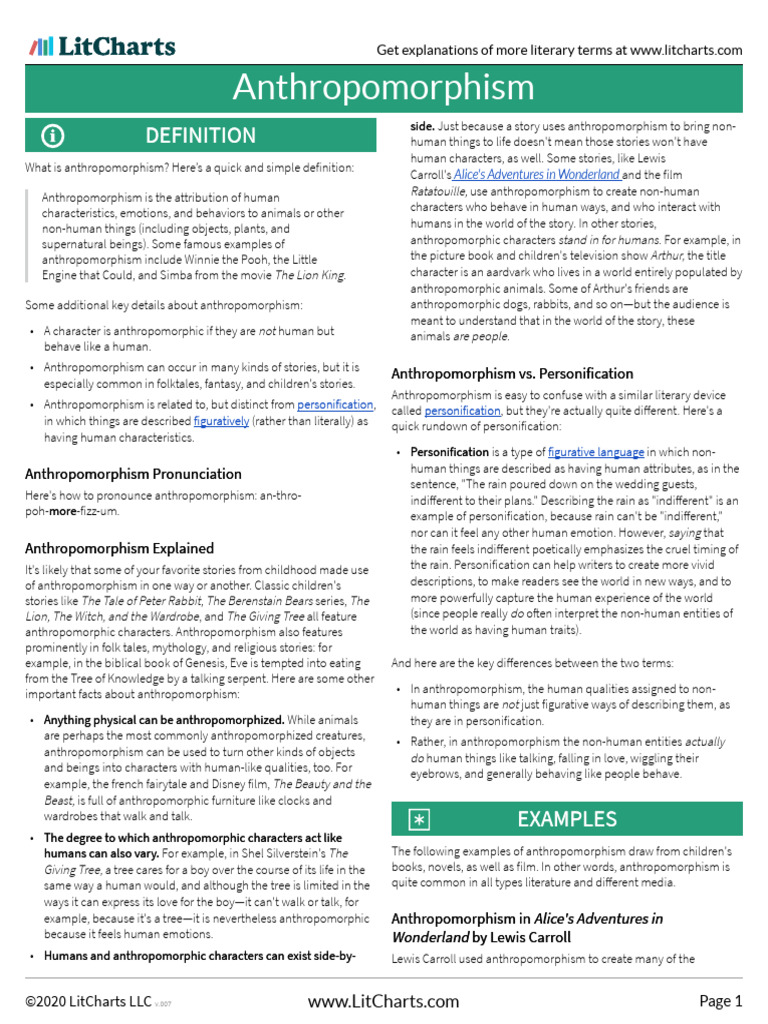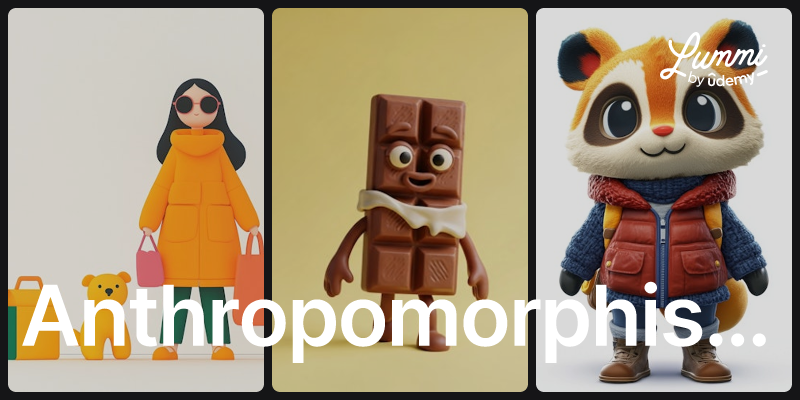
Anthropomorphism—the attribution of human characteristics, emotions, or intentions to non-human entities—has long been a compelling narrative and psychological device. Its presence spans literature, art, entertainment, and even digital interfaces. However, beyond its creative allure, anthropomorphism exerts a profound influence on mental health, particularly in the realms of anxiety and depression. This exploration delves into the multifaceted impact of anthropomorphism, providing an intricate understanding of how this phenomenon permeates emotional regulation, social connection, and therapeutic environments.
The Psychological Framework of Anthropomorphism
At its core, anthropomorphism arises from humans’ intrinsic proclivity to seek familiarity and agency in the world around them. This cognitive bias allows individuals to ascribe intentions and emotions to objects or beings that are inherently devoid of them. Such attributions are not merely whimsical but serve as vital mechanisms for making sense of complex or overwhelming stimuli. In the context of anxiety and depression, where uncertainty and disconnection often prevail, anthropomorphism can manifest as either a coping strategy or a maladaptive pattern.
For example, a person struggling with anxiety might perceive a malfunctioning device as “rebellious” or “uncooperative,” projecting frustration into the object itself. This externalization can externalize blame, potentially reducing internalized stress. Conversely, excessive anthropomorphizing might intensify feelings of helplessness if these imagined entities become perceived as antagonistic, exacerbating anxious ruminations. Understanding this delicate balance lays a foundation for exploring anthropomorphism’s deeper psychological implications.

Anthropomorphism as a Source of Emotional Comfort
One of the most compelling positive impacts of anthropomorphism is its capacity to engender emotional attachment and comfort. This tendency is vividly expressed in the formation of bonds with pets, animated characters, or even virtual assistants. In cases of depression, where individuals often experience profound feelings of loneliness and emptiness, attributing human-like qualities to companions—even inanimate ones—can create a semblance of social interaction and emotional support.
Anthropomorphized objects or pets can act as surrogate social agents that provide reassurance during isolating moments. The perceived responsiveness of these entities offers a nonjudgmental space for expression and validation. For example, children and adults alike may talk to their pets or objects as if they truly understand, helping to externalize internal turmoil and facilitating emotional processing. This phenomenon highlights anthropomorphism’s therapeutic potential as a non-invasive, accessible form of affect regulation.
The Role of Anthropomorphism in Anxiety Modulation
In the landscape of anxiety disorders, anthropomorphism often functions as a double-edged sword. On one hand, it can mediate feelings of unpredictability by rendering the unknown more tangible. The human tendency to personify environmental factors—such as weather, technology, or even abstract fears—can reduce the perceived threat by assigning it a comprehensible narrative.
On the other hand, anthropomorphizing can sometimes amplify apprehensions when these projected agents are envisaged as malevolent or uncontrollable. This exacerbation of perceived threat can reinforce avoidance behaviors and heighten vigilance. For instance, individuals with obsessive-compulsive tendencies may attribute “intentions” to objects, leading to compulsive rituals aimed at mitigating harm. Recognizing these nuanced dynamics is essential in crafting effective interventions that leverage anthropomorphism constructively without reinforcing pathological patterns.
Depression and the Anthropomorphic Imagination
Depression often engenders feelings of disconnection from the self and the surrounding world. Within this context, anthropomorphism can serve as both a refuge and a mirror reflecting an individual’s internal experience. It enables the projection of internal states onto external entities, facilitating introspection and emotional articulation. Conversely, it may also perpetuate cycles of hopelessness when the anthropomorphized figures embody despair or withdrawal.
Creative expressions utilizing anthropomorphism—such as art, literature, and storytelling—frequently illustrate the melancholic interplay between self and other. Through these mediums, those grappling with depression can externalize intangible sensations, making their suffering more approachable and communicable. Such artistic engagements not only provide solace but also foster empathy from wider audiences, bridging gaps wrought by isolation.
Anthropomorphism in Digital and Therapeutic Environments
The intersection of anthropomorphism and technology has profound implications for anxiety and depression management. Virtual assistants, therapeutic chatbots, and companion robots employ anthropomorphic cues to enhance engagement and relatability. By mimicking human-like interactions, these devices lower barriers to communication and sustain users’ motivation to participate in therapeutic exercises.
For individuals resistant to conventional therapy, anthropomorphized digital tools can act as gateways to mental health support. They offer anonymity, consistent availability, and a less intimidating interface for emotional exploration. However, the risk remains that overdependence on these entities may attenuate genuine human connection, underscoring the importance of integrating these tools within holistic treatment paradigms rather than as isolated solutions.
Creative Manifestations: Art and Storytelling as Coping Mechanisms
Artistic representations of anthropomorphism frequently provide cathartic arenas for expressing and coping with anxiety and depression. Through caricatured figures, allegorical animals, or personified objects, creators distill complex psychological states into tangible forms. Such practices invite both creators and observers into a shared empathic experience, diluting stigma and fostering resilience.
Moreover, narrative traditions that imbue non-human characters with emotional complexity challenge the boundaries between self and other. These stories validate emotional turbulence by situating it within a larger, universal context. Consequently, individuals find solace in knowing that their struggles resonate across boundaries of species and imagination alike, reinforcing a sense of belonging in the broader tapestry of existence.
Potential Pitfalls: When Anthropomorphism Becomes Counterproductive
Despite its many benefits, anthropomorphism is not without hazards. In some instances, projecting human traits onto non-human elements can distort reality, exacerbating maladaptive cognition. For example, attributing malicious intent to neutral phenomena may intensify paranoia or obsessive fears. Similarly, an overreliance on anthropomorphic companions might hinder the development of authentic interpersonal relationships, deepening isolation and despair.
Clinicians and caregivers must therefore be attuned to signs that anthropomorphism is fostering dependency or distorted worldview. Interventions that recalibrate the balance between symbolic projection and reality testing are essential. Encouraging reflective awareness of these tendencies can empower individuals to harness anthropomorphism’s benefits while mitigating its drawbacks.
Conclusion: Integrating Anthropomorphism into Mental Health Paradigms
Anthropomorphism occupies a complex and potent role in shaping the experiences of anxiety and depression. Its capacity to provide comfort, structure meaning, and facilitate emotional expression underscores its therapeutic value. Simultaneously, the risks of misattribution and overdependence necessitate judicious application within mental health frameworks.
By embracing anthropomorphism as both a psychological phenomenon and creative tool, researchers, clinicians, and individuals can unlock novel pathways for healing and understanding. This multifaceted phenomenon invites a reimagining of how human connection and cognition operate, particularly amidst the challenging terrain of mental illness. In doing so, anthropomorphism emerges not merely as a whimsical quirk but as a profound catalyst for emotional resilience and insight.