In the intricate ecosystem of the modern workplace, anthropomorphism acts as an unseen gardener, gently coaxing dormant seeds of connection into blooming teams and flourishing morale. By endowing inanimate tools, software, and organizational structures with human-like qualities, workplaces are no longer just mechanical aggregations of talent and tasks—they become vibrant communities where empathy and cooperation thrive. This infusion of personality and relatability into the workplace architecture transforms sterile environments into dynamic arenas of engagement and motivation.
The Subtle Alchemy of Personification: Breathing Life into Tools and Processes
Imagine a fountain pen that not only serves as an instrument of writing but also whispers encouragement to its wielder or a software interface that smiles calmly in moments of user error. Anthropomorphism in workplaces transmutes practical implements into empathetic companions, fostering a subtle yet profound camaraderie between employees and their operational environment. This relationship nurtures familiarity and reduces cognitive friction, allowing staff to navigate systems with a sense of partnership rather than frustration.
By humanizing digital assistants, project management tools, and even email notifications, organizations cultivate an atmosphere where technology is perceived not as an impersonal overlord but as a collaborative entity. Such personification generates an emotional resonance that endows routine tasks with unexpected warmth, ultimately elevating morale and reducing feelings of alienation.
Empathy Engines: How Anthropomorphism Fuels Emotional Connectivity
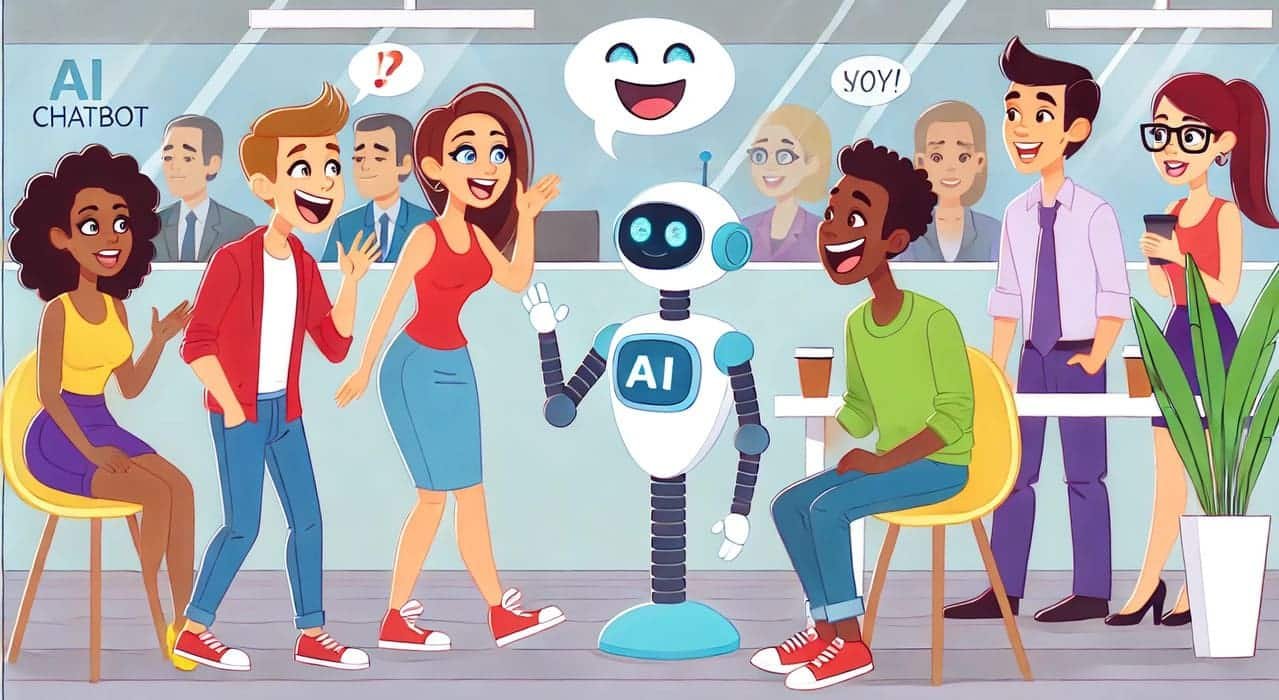
In the realm of teamwork, anthropomorphism catalyzes empathy akin to a prism diffracting a solitary beam of light into a spectrum of vibrant emotion. When team members attribute human characteristics to workplace elements—be it an AI chatbot or office rituals—they activate a reservoir of emotional intelligence that fuels cohesion. This empathetic interweaving encourages colleagues to perceive one another’s contributions and challenges through a more compassionate lens.
Moreover, assigning human traits to automation or robotic tools softens their impact, transforming them from cold, anonymous enforcers into approachable collaborators. The emotional bridge that anthropomorphism constructs helps diffuse anxieties about mechanization while fostering an inclusive culture where every team member feels recognized not only as a cog in the machine but also as a valued individual.
The Morale Magnet: Enhancing Group Identity and Belonging
Anthropomorphism functionally serves as a magnet for group identity, aligning individuals around shared metaphors and narratives that transcend mere professional interactions. By weaving human-like stories and personalities into the fabric of workplace systems, teams create a collective ethos that amplifies belonging and loyalty.
Consider the custom of naming office printers or conferring quirks upon virtual project managers; these practices germinate a sense of ownership and communal pride. The once-sterile instruments of labor evolve into emblematic companions bearing unique character, thereby fueling a spirited allegiance that elevates overall team morale.
Bridging the Chasm Between Hierarchy and Harmony
Anthropomorphic strategies function as diplomatic emissaries in the often tense diplomatic terrain of organizational hierarchy. By personifying managerial tools or communication platforms, the hierarchies that could otherwise seem distant or authoritarian become more relatable and approachable.
This mediation fosters a dialogic atmosphere where feedback and collaboration flow more freely, akin to rivers carving gentle valleys rather than chasms. When digital agents or administrative processes carry human-like traits, the demarcation between ranks softens, enhancing psychological safety and motivating employees to engage authentically.
The Peril and Promise: Navigating the Boundaries of Anthropomorphic Projection
Yet, this enchantment with attributing human qualities carries inherent risks, like the delicate dance on the edge of a double-edged sword. Over-anthropomorphizing tools or processes may engender misplaced trust, unrealistic expectations, or even emotional dependency on impersonal systems that, in reality, lack genuine consciousness.
It is paramount, then, for organizations to calibrate their use of anthropomorphism with intentionality and clarity, ensuring the metaphorical veil enhances rather than obscures the functional roles of workplace elements. When wielded judiciously, anthropomorphism becomes a transformative conduit for improving engagement and morale. But when distorted or overextended, it threatens to undermine trust and clarity.
Conclusion: Cultivating a Living Workplace Ecosystem
Anthropomorphism in the workplace is no mere linguistic flourish; it is a potent psychological scaffold that shapes how individuals relate to their environment and one another. By dressing digital tools and organizational processes in the attire of humanity, workplaces craft a garden where emotional intelligence grows robustly, group identity blossoms richly, and team morale thrives luminously.
In this living ecosystem, the mundane is reborn as the meaningful, and the impersonal transmutes into the intimate. It is within this alchemy of humanization that the future of vibrant, motivated, and cohesive teams lies—ready to blossom like never before.