Anthropomorphic toys have held a cherished place in the tapestry of childhood and culture for centuries, captivating imaginations by bestowing human traits upon inanimate objects and animals. This enchanting interplay—where toys don the mantle of sentience through expressive faces, limbs, and personalities—resonates deeply with a universal human curiosity: the desire to connect, empathize, and find life in the lifeless. The allure goes beyond mere playfulness; it taps into fundamental psychological and cultural veins that speak to identity, storytelling, and emotional expression. Exploring the best anthropomorphic toys of all time reveals not only a fascinating catalogue of creativity but also the underlying reasons why these animated companions continue to enthrall generations.
Origins and Evolution of Anthropomorphic Toys
The concept of animating the inanimate is as old as civilization itself. From ancient civilizations crafting figurines with human-like attributes to Victorian era dolls designed to mimic human behaviors, anthropomorphic toys have evolved alongside cultural narratives. Early manifestations focused on animals rendered with human qualities, bridging the gap between nature and humanity. These toys were often imbued with storytelling purposes, serving as conduits for myths, fables, and morals. Over time, the evolution of materials and manufacturing ushered in an era where plastic, fabric, and electronic components infused toys with unprecedented lifelikeness and interaction, deepening their emotional significance. This progression reflects an ever-expanding fascination with humanizing the objects that share our environments.
The Psychological Allure Behind Anthropomorphic Toys
At the heart of the widespread appeal is a complex psychological phenomenon known as pareidolia—our innate tendency to perceive faces and human traits in random objects. Anthropomorphic toys capitalize on this, offering a tangible outlet for projection and empathy. Children, whose imaginations are boundless, readily imbue these toys with personalities, creating rich internal narratives that aid in social development and emotional intelligence. Adults too find comfort and nostalgia in these figures, reaffirming a connection to innocence and the imaginative freedom of youth. Furthermore, anthropomorphic toys serve as tools for processing complex emotions by externalizing feelings onto familiar yet fantastical companions, thus enabling therapeutic play and storytelling.
Iconic Anthropomorphic Toy Characters
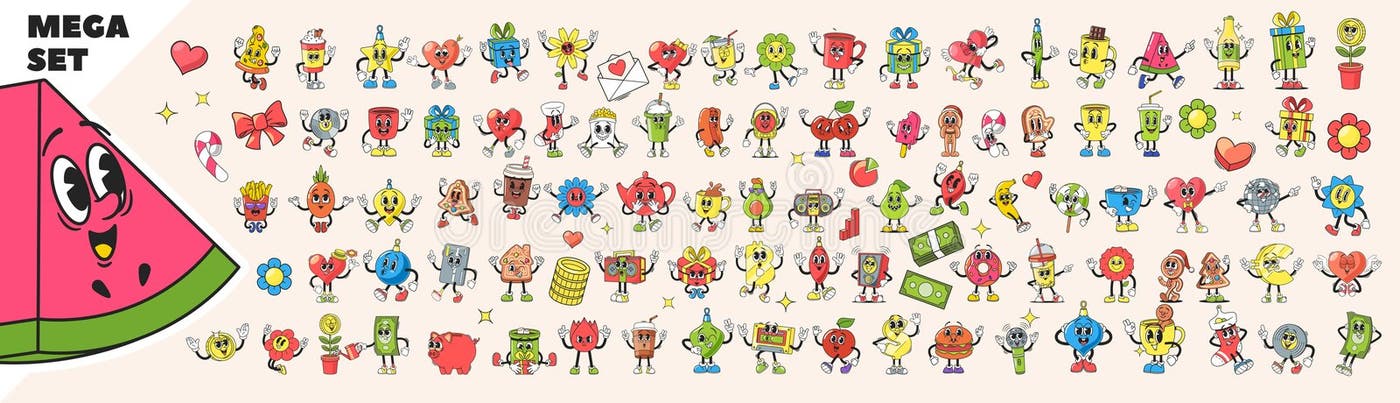
Certain anthropomorphic toys have transcended their status as mere playthings to become cultural icons. Among these, the vintage creations of cherished dolls with expressive faces and movable limbs narrate intimate stories of affection and companionship. Then there are the retro-style cartoon-inspired sets, brimming with whimsical charisma and groovy aesthetics, which evoke nostalgia while captivating the modern audience. Toys modeled after animals with exaggerated human features—such as oversized eyes, animated smiles, and dynamic postures—forge immediate emotional connections. Each iconic toy’s success lies in its ability to balance familiarity with fantasy, creating characters that feel alive, relatable, and endlessly engaging across demographics.
Design Principles That Bring Anthropomorphism to Life
The magic of anthropomorphic toys is largely a product of intelligent design. Crafting a toy that embodies human characteristics demands a nuanced understanding of facial expressiveness, body language, and cultural symbolism. Designers employ techniques such as exaggerated features—large, soulful eyes or dynamic mouths—to convey emotion instantaneously. Limbs are often articulated to mimic gestures or poses familiar to children, enhancing relatability. Color palettes are chosen to reflect mood and personality, while textures can suggest warmth or softness akin to human or animal skin. The successful anthropomorphic toy thus emerges from a fusion of art, psychology, and storytelling, creating a tactile narrative that invites ongoing interaction and imagination.
Role of Anthropomorphic Toys in Storytelling and Media
Anthropomorphic toys often serve as the catalysts or protagonists in expansive storytelling universes. Through animation, literature, and interactive media, these characters gain depth and complexity that extends their appeal beyond simple forms. This symbiosis between toy and narrative enriches the user experience, transforming passive objects into active participants in adventures, moral dilemmas, and personal growth tales. The appeal lies in the anthropomorphic toy’s capacity to embody hope, struggle, humor, and virtue, all while remaining accessible and adorably memorable. Consequently, they reinforce storytelling traditions and offer versatile platforms for creativity that resonate with children and adults alike.
Contemporary Innovations and the Future of Anthropomorphic Toys
The realm of anthropomorphic toys is experiencing a renaissance through technological innovation. Smart toys equipped with artificial intelligence, sensors, and interactive capabilities are reshaping the boundaries between fantasy and reality. Such toys respond to voice, touch, and emotional cues, offering dynamic companionship that evolves over time. This evolution honors the traditional appeal of anthropomorphism while embracing the digital age’s possibilities. Additionally, designers are increasingly mindful of diversity and inclusivity, infusing toys with a wider spectrum of identities and cultural references. As this field advances, anthropomorphic toys will likely continue to captivate by adapting to new forms of expression while preserving the timeless enchantment that first sparked our fascination.
Cultural Impact and Enduring Legacy
The enduring popularity of anthropomorphic toys underscores their significant cultural impact. These objects serve as mirrors reflecting societal values, aesthetics, and collective consciousness. From vintage collectibles that chronicle design trends to contemporary icons that influence fashion and entertainment, anthropomorphic toys hold a mirror to the evolving human experience. Their permanence in museums, auctions, and popular culture attests to a legacy shaped by imagination and emotional resonance. Ultimately, these toys forge connections across generations, transforming from simple amusements into emblematic companions that celebrate the enduring power of humanized creativity.