Can the enigmatic presence of anthropomorphism in live performances transcend its traditional boundaries and morph into something entirely unforeseen? As the line between human and non-human blurs evermore through embodiment and expression, a pressing challenge emerges: how might performers and creators continue to animate anthropomorphic themes in ways that remain compelling, relevant, and resonant with increasingly sophisticated audiences? This question not only invites playful speculation but also demands a thorough examination of the evolving landscape where artifice and reality intertwine.
The Enduring Allure of Anthropomorphism in Performance
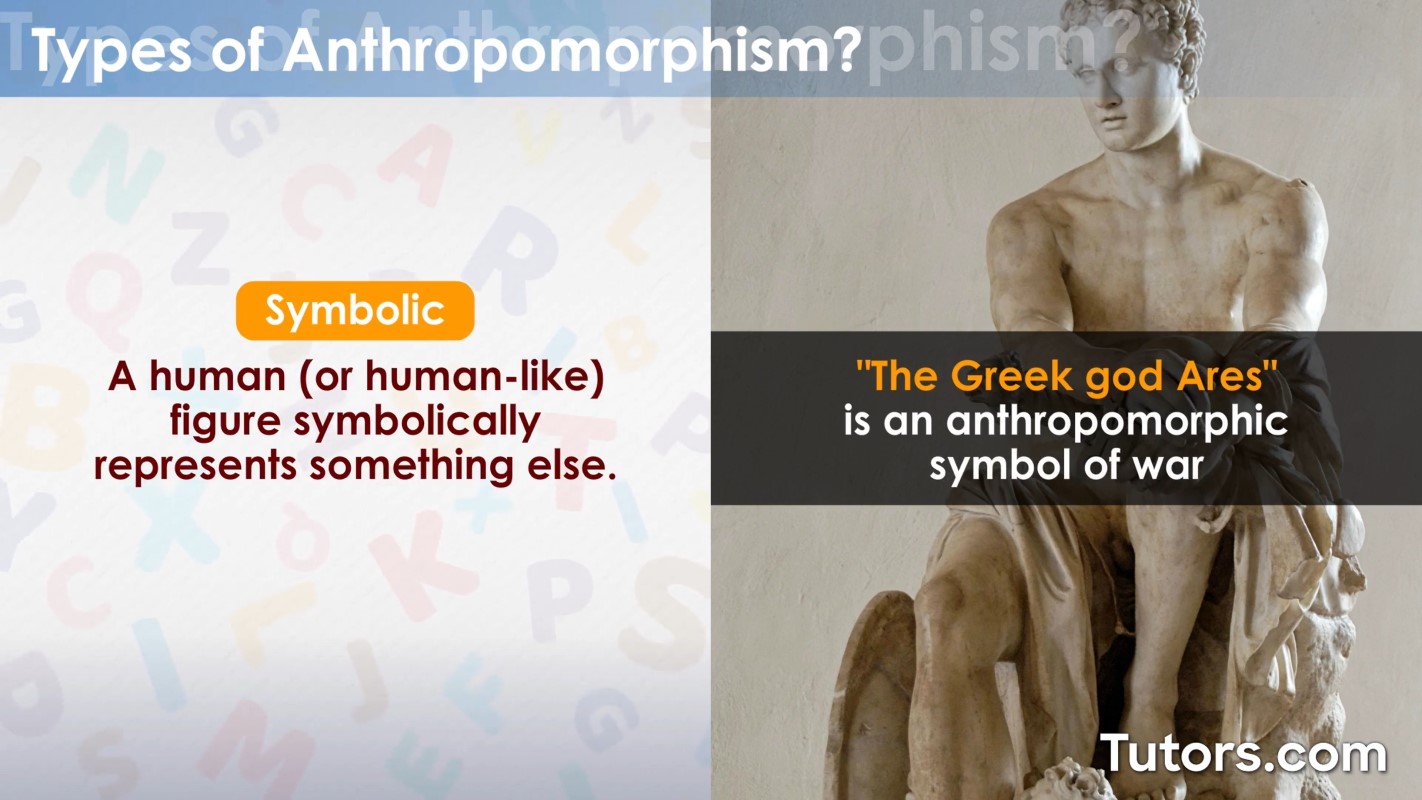
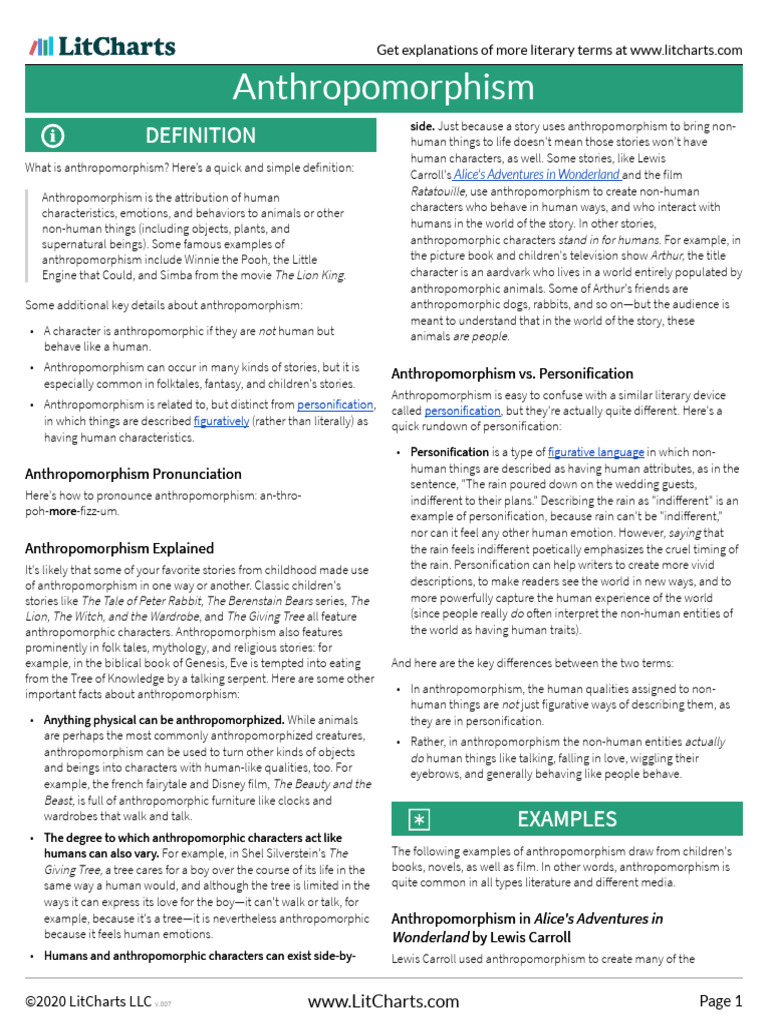
Anthropomorphism—assigning human characteristics to non-human entities—has been a compelling device in storytelling and performance for centuries. From legendary theater masks evoking spirits to contemporary puppetry, the humanization of animals, objects, or abstract concepts nourishes our innate desire for connection and empathy. The corporeal theater, dance, and multimedia spectacles employ this trope to bridge the familiar and the uncanny, creating poignant narratives that transcend the mundane. The allure lies in its dialectical tension: animating the inanimate or non-human invites audiences to reconsider personhood itself, challenging preconceived boundaries.
Live performances especially capitalize on the immediacy of presence—embodied gestures, physicality, and spatial interaction—to breathe life into anthropomorphic figures. While cinematic and digital arts delve into photorealistic rendering, live art holds the potential for raw, visceral interaction. It leverages not just visual semblance but kinetic metaphors—the arc of a limb, the gaze of a performer—to evoke complex psychologies in entities traditionally bereft of them.
Technological Synergies Reshaping Embodiment
Emerging technologies are revolutionizing how anthropomorphism manifests on stage and in other live formats. Motion capture suits, augmented reality (AR), and holographic projections lend performers unprecedented tools to extend their corporeality into unimaginable realms. Imagine a dancer whose movements simultaneously conjure a digital avatar—a mythical creature or mechanized entity—blurring the boundary between flesh and simulation. This fusion challenges the notion of anthropomorphism itself, as the “character” becomes a hybrid co-creation, a symbiosis between human and technology.
However, such technological integration introduces a paradox. Does the infusion of digital enhancement enrich the anthropomorphic resonance, or might it dilute the visceral immediacy that live performance demands? Maintaining a palpable human essence amid layers of technological mediation will be an exigent task for creators. Yet, this challenge also heralds a fertile creative frontier, where synthesizing the organic with the synthetic can yield novel expressive vocabularies.
Cultural and Ethical Dimensions in Contemporary Narratives
Anthropomorphism often functions as a mirror reflecting prevailing cultural attitudes or interrogating human identity. In future performances, this device will need to navigate increasingly complex sociopolitical landscapes. For instance, portraying non-human characters with human traits can carry significant ethical implications—ranging from reinforcing anthropocentric dominion to fostering empathetic bridges across species divides.
Many contemporary artists engage with these tensions by deploying anthropomorphic figures to comment on environmental crisis, identity politics, and posthumanism. This evolution necessitates a conscientious approach, where symbolic representations are mindful of subtextual consequences. Future live performances employing anthropomorphism might thus become platforms for critical discourse, encouraging audiences to confront their ecological responsibilities and collective self-conceptions.
Embodied Interaction and Audience Engagement
One of the most tantalizing prospects in the future of anthropomorphism in live performance lies in interactive and immersive frameworks. When audiences are no longer passive observers but active participants—whether through virtual reality interfaces or spatially dynamic installations—the anthropomorphic entity takes on a new relational dimension. Engagement evolves from mere spectatorship to co-creation of meaning.
This shift provokes a key challenge: how to maintain narrative coherence and emotional depth when the performance becomes a fluid, collaborative encounter rather than a scripted spectacle. The anthropomorphic form must be sufficiently malleable to adapt to diverse audience inputs without losing its symbolic potency. Successfully navigating this terrain could catalyze radical transformations in how stories are told and experienced live, forging intimate, personalized connections that defy conventional theatrical boundaries.
Reinventing Movement Vocabulary for the Non-Human Subject
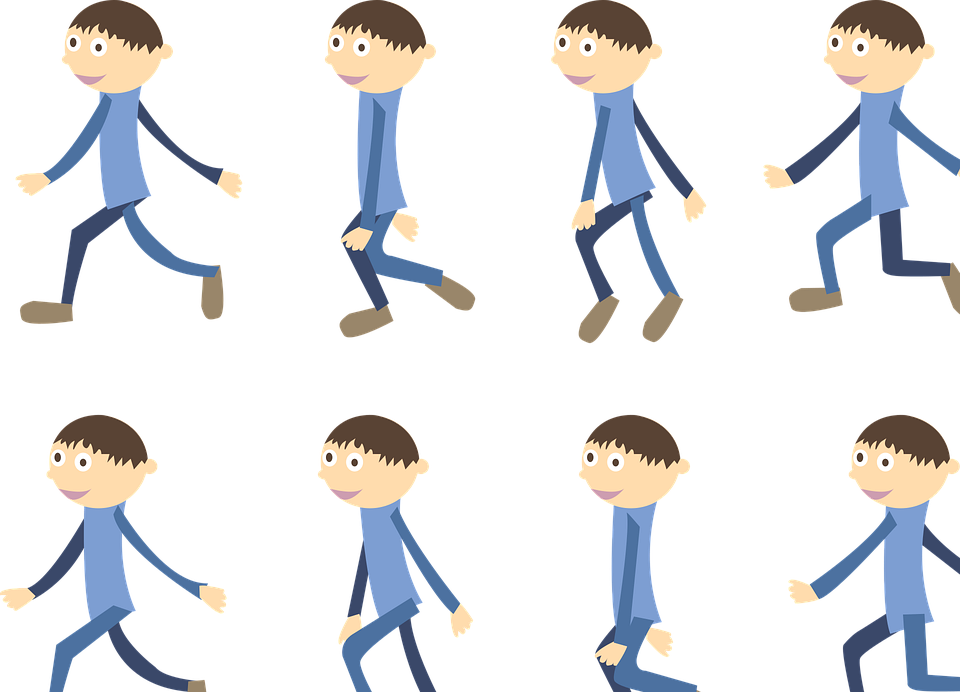
Movement is the lingua franca of live performance, and with anthropomorphic subjects, this language becomes richly complex. The future demands continual reinvention of physical vocabularies that convincingly articulate non-human psyches and physiologies. Whether inspired by animal locomotion, technological articulation, or mythic symbolism, performers must embody traits that are simultaneously familiar yet profoundly other.
Innovations in somatic practices, biomechanical research, and kinetic dramaturgy offer fertile ground for generating such vocabularies. Choreographers might study insect articulation or cephalopod fluidity, integrating those modes into human movement patterns that defy conventional expectations. This creative recalibration invigorates the performative gestalt, making anthropomorphic figures fresh conduits for emotional storytelling and cognitive provocation.
Conclusion: A Playful Paradox and Forward Trajectory
As live performances continue to embrace and evolve anthropomorphism, they encounter a playful paradox: to humanize that which is not human is to simultaneously reflect and distort ourselves. The future lies in harnessing this tension—leveraging technological innovation, ethical inquiry, embodied experimentation, and immersive engagement—to propel anthropomorphism beyond mere mimicry into the realm of transformative experience.
The challenge persists: how to sustain meaningful connections amid this evolving interplay of form and content, flesh and circuit, spectator and spectacle? The answer may reside not in definitive resolutions but in the ongoing dance between mystery and revelation, a choreography that beckons both performers and audiences to venture boldly into uncharted expressive territories.