The human mind is an intricate tapestry, woven with threads of emotion, cognition, and experience. Among the myriad of psychological phenomena that emerge from this complexity is the curious tendency to personify threatening events. Why do we imbue the ominous specters of our lives with human-like characteristics? What compels us to assign faces, voices, and motives to abstract fears and looming disasters? This article delves into the depths of this instinctual behavior, exploring the psychological, emotional, and sociocultural layers behind the personification of threats.
From the shadows of looming storms to the jagged edges of a global pandemic, threatening events often invoke a visceral response. As these situations unfold, many individuals find themselves narrativizing their fears, transforming impersonal calamities into personalized threats. This phenomenon can be likened to looking into a darkened mirror, wherein the reflection becomes both familiar and frightening. As we examine the reasons behind this propensity, it becomes evident that various psychological mechanisms play a pivotal role.
1. The Need for Control
At the heart of personifying threats lies a deep-rooted desire for control. Anxiety often accompanies the unpredictability of life’s challenges. By anthropomorphizing threats, individuals can impose meaning upon chaos, transmuting the unknown into a comprehensible narrative. When a global recession looms, it becomes easier to envision the economic downturn as a relentless beast, mercilessly prowling for vulnerabilities. Herein lies a paradox: while threats are often insurmountable, giving them a face allows us to feel as if we can confront or negotiate with them.
2. Emotional Resonance
Human beings are inherently emotional creatures. When faced with a formidable adversary—real or imagined—we tend to seek emotional resonance. By humanizing threats, we anchor our fears to relatable experiences, enhancing our emotional engagement with the situation. For instance, the specter of climate change can be personified as ‘Mother Nature’—a nurturing figure turned adversarial due to humanity’s negligence. This personification amplifies feelings of guilt, urgency, and a pressing need for action. The emotional palpability created through this lens not only heightens awareness but also galvanizes collective response, urging society to act decisively.
3. The Narratives We Build
Stories have shaped human culture since time immemorial, serving as vessels for moral lessons and cautionary tales. In this light, the brain’s predilection for narrative frameworks becomes a window into the need to personify threats. By structuring abstract fears into recognizable forms, we create stories that resonate within us. The relentless cycle of misinformation and fear surrounding pandemics, for example, morphs the narrative into a chilling tale of survival. As we embody the threat with a villainous persona, we are, in essence, narrativizing our existence, giving voice to our anxieties through the storytelling tradition.
4. Cognitive Dissonance and Simplification
In a world inundated with complexity, human cognition often seeks pathways to simplification. Cognitive dissonance arises when our beliefs clash with stark realities. To mitigate discomfort, we may create a mental shortcut by personifying threats, generating simpler dichotomies. The portrayal of a viral outbreak may oscillate between a ruthless ‘enemy’ and a ‘curse’ we must defeat. This binary perspective not only assuages confusion but permits a more straightforward mechanism for engagement with the problem. However, this approach also runs the risk of oversimplifying realities that necessitate nuanced understanding and response.
5. Cultural Influences and Archetypes
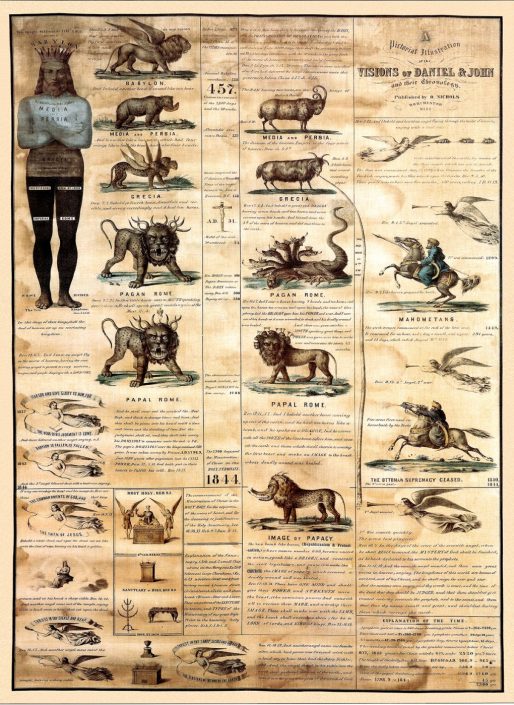
The cultural fabric in which one is ensconced often dictates the lenses through which we perceive threats. Myths, folklore, and societal archetypes profoundly inform the personification of diverse phenomena. Notably, ancient tales frequently personified natural disasters, presenting them as wrathful deities. In contemporary discourse, we may talk about economic recessions or environmental calamities as entities with intentions and personalities, shaped by our cultural narratives. This interplay between culture and psychology underscores how various societies navigate the inherent unpredictability of existence, often straddling fear and reverence.
6. The Role of Media in Amplification
In today’s hyper-connected landscape, media serves as both a mirror and a magnifying glass, amplifying our perceptions of threats. The portrayal of dangers in movies, news, or literature can lead to a pervasive sense of personification. A natural disaster may be depicted through emotional storytelling, giving rise to the notion of a ‘force of nature’ as a formidable character. This dramatization often shapes our psyche, embedding these personifications in our collective consciousness and fueling our response to real-world threats. Media thus acts as a potent catalyst, transforming the abstract into characters that evoke empathy and fear alike.
7. Coping Mechanisms and the Search for Meaning
As much as personification enables control and understanding, it also serves as a coping mechanism. In a kaleidoscopic array of circumstances, the act of assigning humanity to threats can provide solace. Instead of confronting the void of uncertainty, individuals may find comfort in crafting narratives where these threats possess identifiable traits and motives. They become villains with a story, an all-pervasive darkness that echoingly resonates with our own survivorship tales. Through this lens, we navigate the tumultuous seas of anxiety, seeking not only understanding but also meaning in chaos.
A tapestry of motivations intertwines within this extraordinary human tendency to personify threatening events. Each thread reflects deeper psychological truths ranging from a quest for control and emotional resonance to narratives shaped by culture and media influence. Recognizing this phenomenon not only elucidates our collective responses to fear but also enriches our understanding of the remarkable resilience inherent in humanity. In this journey through fear, we find the intricate dance between danger and the narratives we create, illuminating the profound depths of our shared psyche.