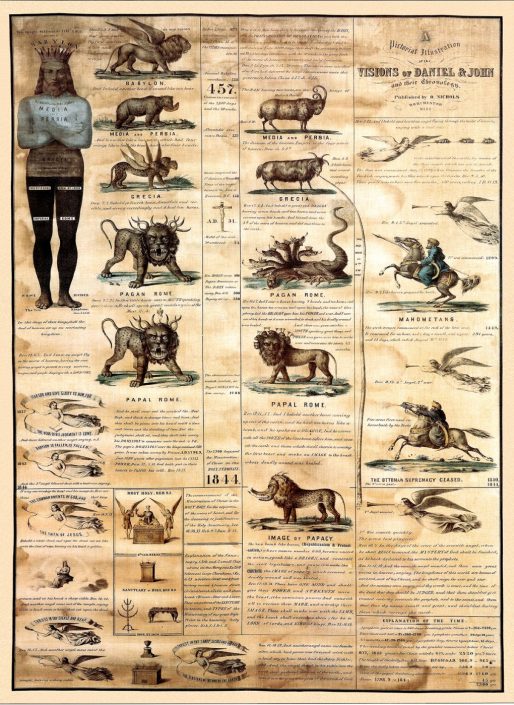
In the intricacies of the human psyche, one of the most fascinating phenomena is anthropomorphism—the proclivity to attribute human-like traits, emotions, and intentions to non-human entities. This propensity transcends mere fanciful thinking; it permeates cultures, influences literature, and shapes our interaction with the world around us. The question arises: why do we anthropomorphize everything, from our household appliances to abstract concepts? The answer lies within the realms of psychology, evolutionary biology, and even spirituality.
At its core, anthropomorphism reflects a fundamental aspect of human cognition: the need for connection and understanding. According to psychological theories, humans are inherently social creatures, wired for relationships and emotional bonding. When faced with objects or concepts devoid of inherent agency, our minds instinctively bridge the gap, imbuing them with familiar traits. This creative act transforms a mere table into a supportive friend or a raincloud into a surly old man. Such actions reflect not only our need for companionship but also our quest for empathy. In essence, anthropomorphism is a tool we employ to decode the complexities of the unfamiliar world.
From childhood, the seeds of anthropomorphism are sown. Children often talk to their toys, invest them with emotions, and create elaborate backstories for their fictional friends. This imaginative play serves both cognitive and emotional development; it fosters creativity while offering a safe space to explore feelings and experiences. As children engage with their toys as living entities, they learn vital social skills and emotional intelligence, effectively rehearsing for the nuanced dynamics of human relationships. The simplicity of a stuffed bear becomes rich with narrative, teaching lessons of compassion, loyalty, and bravery.
Moreover, the cultural fabric into which children are woven is saturated with anthropomorphic narratives. Literature, films, and folklore abound with personified animals, objects, and even celestial bodies. Aesop’s fables employ this technique to convey moral lessons, where animals display distinctly human traits while teaching us about ethics and virtues. Conversely, modern cinema has captured audiences’ hearts with animated characters that exemplify human emotions—transforming inanimate objects into protagonists who resonate with our struggles and aspirations. The unique appeal of such characterizations lies in their relatability; through anthropomorphism, complexity is distilled into digestible narratives, engaging individuals of all ages.
Anthropomorphism also intersects with our understanding of the natural world. Scientists have long remarked upon the tendency of people to assign emotions to animals, often leading to conservation efforts fueled by emotional rather than rational responses. The image of a polar bear, perilously balancing on a shrinking ice floe, evokes deep empathy—prompting action against climate change. By attributing human emotions and struggles to animals, we facilitate a connection that galvanizes human action, transforming abstract issues into poignant realities. This emotional engagement, while not always scientifically grounded, can be a powerful driving force for advocacy and change.
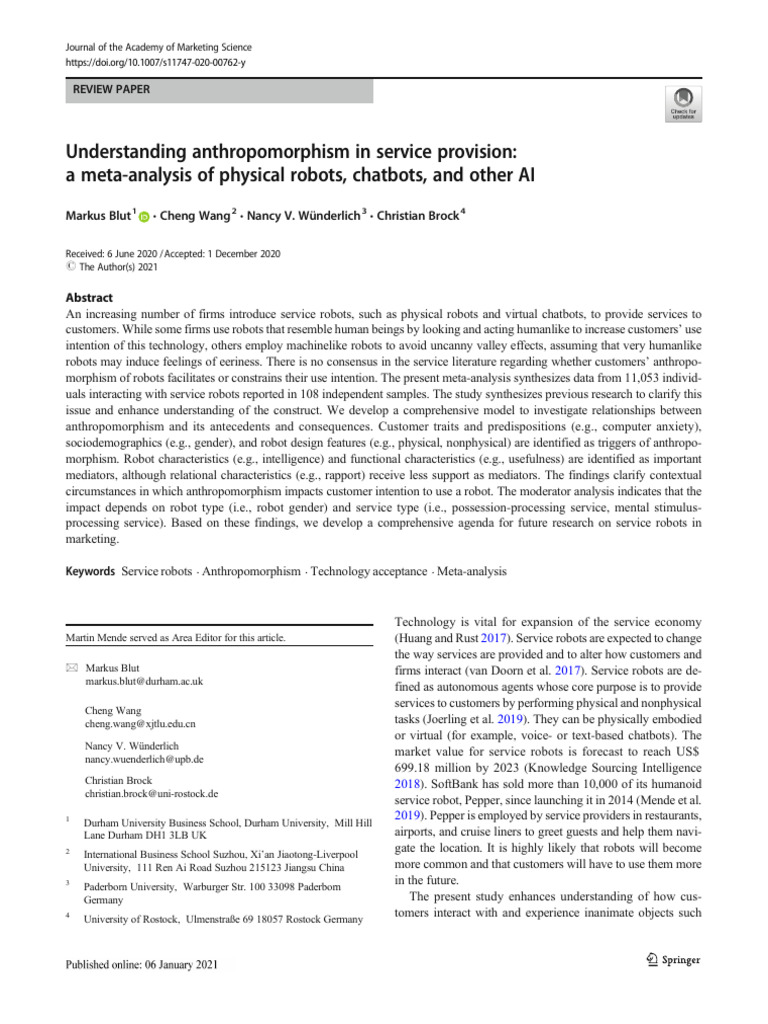
Yet, the allure of anthropomorphism extends beyond the realm of play or nature. In our interactions with technology, anthropomorphism provides a bridge to navigate the complexities of artificial intelligence and robotics. Virtual assistants and smart devices are often designed with human-like characteristics, shaping our expectations and interactions. The friendly voice of a digital assistant or the animated expression of a social robot creates an illusion of companionship, making technology feel accessible and intuitive. This phenomenon has been termed the “Eliza Effect,” after a 1960s computer program that mimicked human conversation. It suggests that even a mere semblance of human-like behavior can elicit emotional responses from users, fostering a semblance of rapport and trust.
However, this inclination can lead us down a perilous path. Anthropomorphism can distort perceptions, leading us to misinterpret the intentions and capabilities of both technology and nature. For instance, assigning emotions to a robot may lead to inflated expectations about its capabilities, resulting in disappointment or mistrust when it fails to meet those expectations. Similarly, overlooking the complexities of animal behavior in favor of human-like interpretations can result in misunderstandings about animal welfare and conservation needs. Thus, while anthropomorphism can enrich our experiences, it is crucial to tread carefully, ensuring that our projections do not cloud our judgment.
Interestingly, anthropomorphism also reflects a deep-seated existential longing. In a world often marked by uncertainty and alienation, bestowing human traits upon the inanimate or abstract provides solace and comfort. The idea that our hopes and fears can be mirrored back to us—whether through a beloved pet or a cosmic phenomenon—offers a sense of connection to a grand narrative. By humanizing our surroundings, we stitch together a tapestry of understanding that combats the chaos of existence, reaffirming our place within the universe.
In conclusion, the act of anthropomorphizing is a reflection of our intrinsic nature—socio-emotional, creative, and sometimes misjudged. It represents a complex interplay between our need for connection and our thirst for understanding, acting as both a vehicle for creativity and a potential source of misunderstanding. As we navigate a world increasingly populated by non-human entities, recognizing the implications of anthropomorphism can foster a richer, more nuanced relationship with our environment, technology, and each other. The art of anthropomorphism not only enhances storytelling and communication but also challenges us to embrace the multifaceted nature of our existence, reminding us that in the end, we are all part of a shared narrative, rich with emotion and possibility.