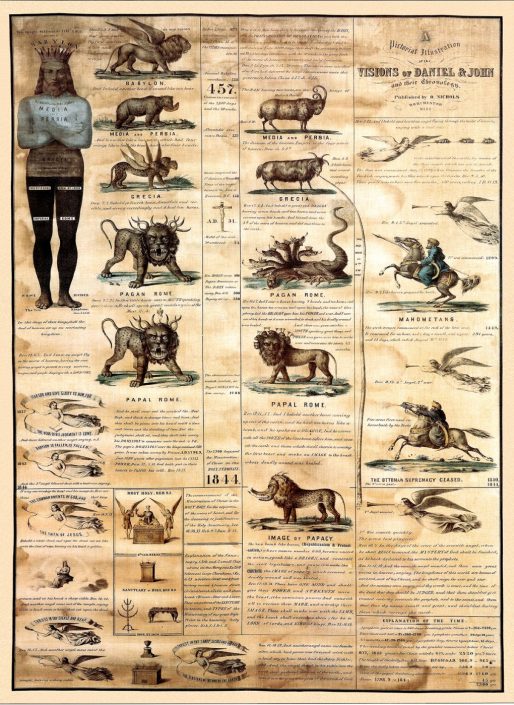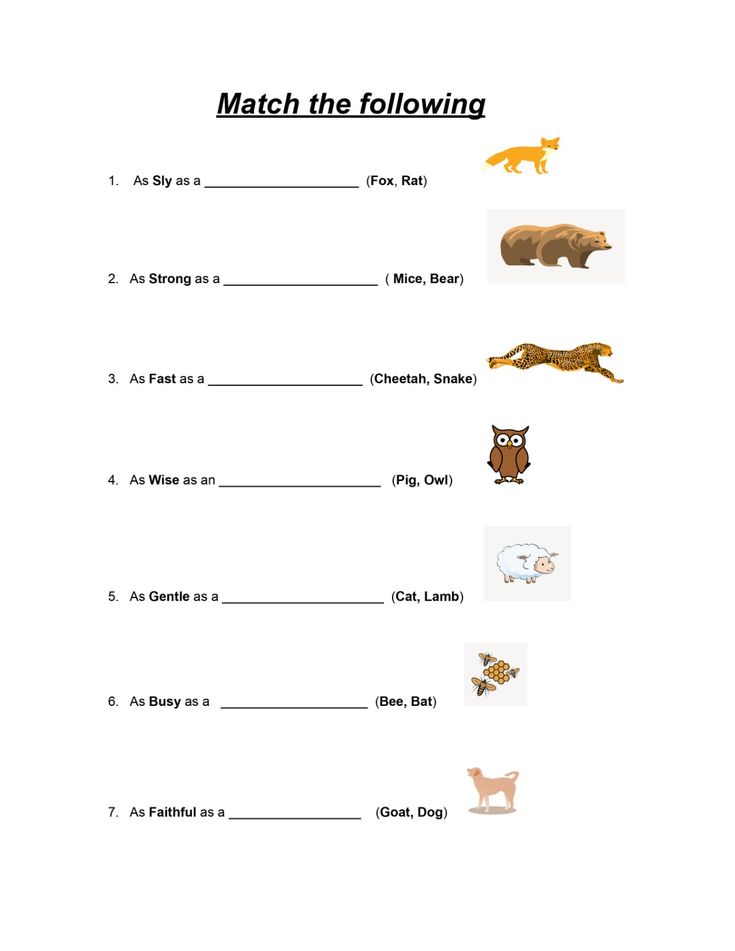
The phenomenon of attributing human traits to animals is known as anthropomorphism. This term, derived from the Greek words “anthropos” (meaning human) and “morphe” (meaning form), captures the innate human tendency to imbue non-human entities with characteristics typically reserved for our own kind. From beloved cartoon characters to the furry companions we cherish, anthropomorphism permeates our lives, unveiling fascinating insights into both our psyche and the natural world.
The Origins of Anthropomorphism
Anthropomorphism is not merely a modern contrivance. Historical texts and cultural artifacts from ancient civilizations reveal its prevalence in mythologies and folklore. Deities were often depicted with human features, exhibiting emotions akin to human experiences. The anthropomorphic imagery was a means of bridging the gap between the divine and the mundane, fostering an understanding of complex spiritual ideas through familiarity.
As cultures evolved, this practice transcended the realm of mythology. Literature, particularly fables—such as Aesop’s timeless tales—utilized anthropomorphism to convey moral lessons. Animals acted out human-like traits, serving as proxies to explore themes of virtue and vice, thus engaging readers of all ages in philosophical narratives.
Why Do We Anthropomorphize?
Our proclivity towards anthropomorphism invites richer connections with nature and the animal kingdom. This inclination can evoke empathy and understanding, leading to deeper emotional bonds. When we assign human-like traits to animals, we are not simply projecting our own nature onto them; we are searching for common ground. This mutual resonance fosters an appreciation of their experiences, lives, and struggles.
Psychological theories suggest that anthropomorphism also provides a coping mechanism for loneliness and isolation. By attributing human characteristics to animals—whether in pets, wildlife, or even inanimate objects—individuals cultivate companionship, diminishing existential anxieties. Moreover, it enables us to better process and navigate our emotions, as we see reflections of ourselves in these creatures.
The Role of Anthropomorphism in Literature and Media
In contemporary media, anthropomorphism is a pervasive tool for storytelling and character development. Animated films and children’s literature abound with anthropomorphized characters. Think of iconic figures like Mickey Mouse or Winnie the Pooh—these characters exemplify human qualities, making them relatable and resonant. Their journeys mirror our own, allowing audiences to engage with complex themes such as friendship, courage, and love.
Anthropomorphism extends beyond entertainment; it also serves essential functions in educational contexts. Educational materials often employ anthropomorphized animals to capture the attention of young learners. These engaging portrayals can clarify concepts, making them more accessible. When kids view a lion as brave or a turtle as wise, they imbibe these virtues while cultivating a deeper understanding of nature and its intricacies.
Real-World Application: Conservation Efforts
Anthropomorphism has far-reaching implications, especially in environmental and conservation initiatives. By humanizing endangered species, organizations can evoke empathy and galvanize public support for conservation efforts. Campaigns featuring charismatic megafauna, such as pandas or sea turtles, expose the harm of climate change and habitat loss, stimulating action through emotional engagement.
This intersection of emotion and activism underscores the effectiveness of anthropomorphism in advocacy. By fostering a deeper connection to wildlife, we forge a compelling narrative that compels us to protect the habitats these creatures inhabit. A person who views a dolphin as playful, curious, and intelligent is more likely to care about its survival than someone who perceives it merely as a creature in the sea.
The Counterpoint: The Dangers of Anthropomorphism
While anthropomorphism can enhance our connection to animals, it can also lead to misconceptions. Oversimplifying animal behavior by attributing human emotions or motives can obscure the realities of their existence. It may lead to misguided expectations and interpretations of their actions, resulting in misunderstandings regarding their needs and behaviors.
One of the potential pitfalls arises in the context of domestication versus wild behavior. For instance, viewing wild animals as affectionate or friendly can lead people to approach them inappropriately, ignoring their natural instincts and potential for aggression. Such misconceptions can endanger both humans and animals alike.
Conclusion: A Double-Edged Sword
Anthropomorphism is a fascinating lens through which to view our relationship with the animal kingdom. It uncovers the intricate ways in which we, as humans, connect with the world beyond ourselves. This tendency influences our creative expression, emotional understanding, and even our conservation efforts. However, it also serves as a reminder to be vigilant against our proclivity to over-simplify complex lives. In seeking to understand animals through the prism of our own experiences, we must strive for a balance—one that acknowledges the richness of both our human nature and the profound, unique existence of the creatures we share our planet with.