Anthropomorphism, a term that blends two Greek roots—’anthropos’ meaning ‘human’ and ‘morphe’ meaning ‘form’—is a fascinating concept that infuses human characteristics into non-human entities. This phenomenon transcends mere academics; it has a deeply embedded presence in literature, art, religion, and even supreme philosophical discussions. As we delve into the intricate layers of anthropomorphism, we discover its compelling implications and the alluring charm it holds within diverse contexts.
At its core, anthropomorphism serves as a bridge between the known and the unknown. This metaphorical connexion offers insights into human nature, evoking empathy and enabling us to relate to the foreign and the unfamiliar. It is not simply about attributing human emotions to animals or inanimate objects; it is an invitation to explore the rich tapestry of existence beyond our corporeal experience.
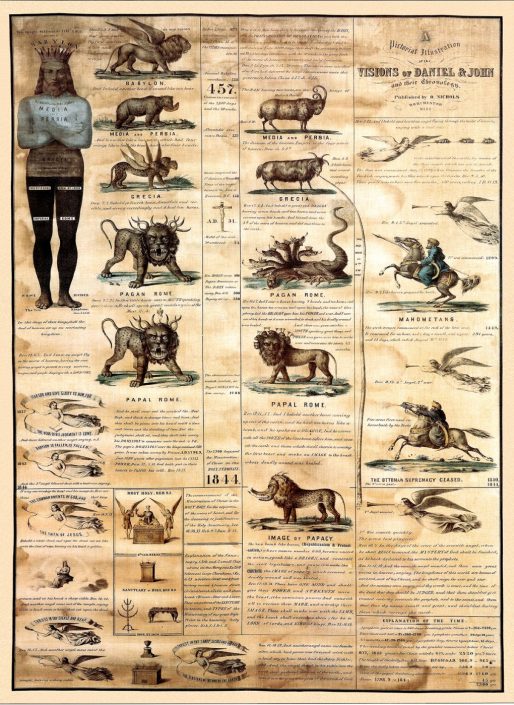
Consider the myriad instances in literature where anthropomorphism thrives. From Aesop’s Fables to George Orwell’s “Animal Farm,” creatures exhibit human-like intelligence, emotions, and societies, urging readers to confront moral dilemmas through their eyes. Such narratives not only entertain but also provoke reflection on the essence of humanity itself, challenging us to evaluate our own values and ethics. In this way, anthropomorphism acts as a profound metaphor that exposes the multifaceted nature of human behavior.
In addition to literature, art is replete with anthropomorphic representations. Renowned artists throughout history, such as Pablo Picasso and Marc Chagall, have employed anthropomorphism to evoke a visceral emotional response that transcends the visual. When one observes paintings portraying human-like figures blended with elements of nature—think flowers blooming with human faces or animals bearing expressions of wistfulness—it establishes an ethereal connection, suggesting that perhaps the essence of human emotion is embedded in every living being. This aesthetic style resonates deeply, inviting viewers to ponder their place within the great scheme of life.
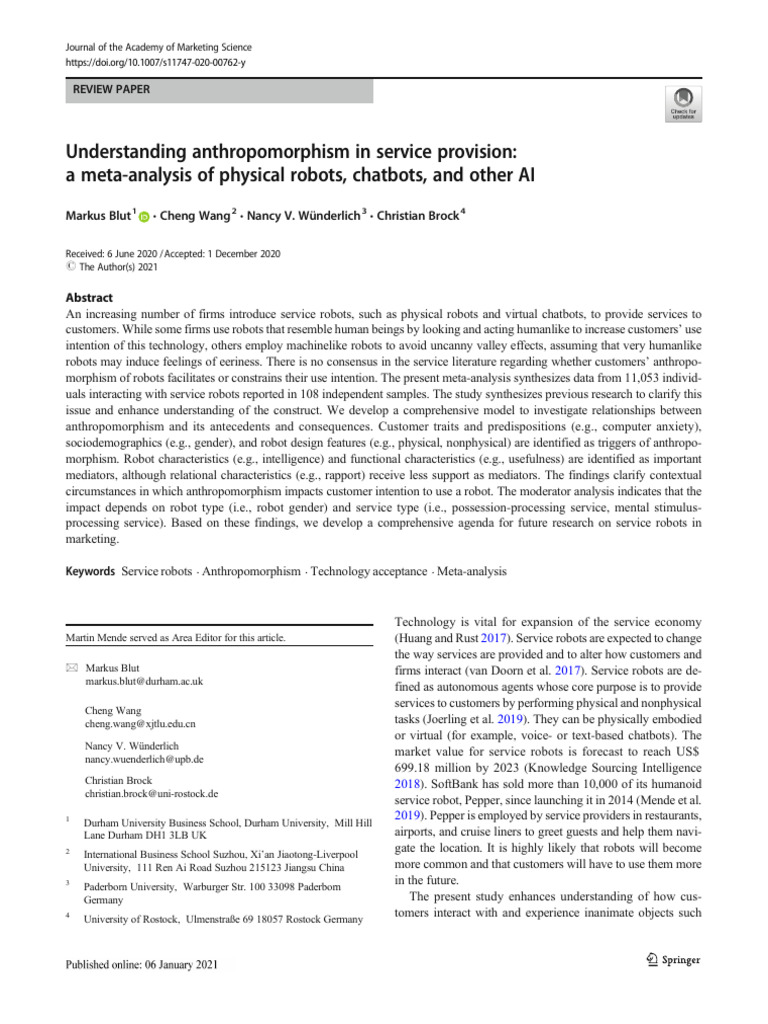
Moreover, anthropomorphism finds fertile ground in the realm of digital interaction, notably in the emergence of artificial intelligence and robots. In our quest to humanize technology, we attempt to impute human characteristics and emotions to devices programmed to assist us. Virtual assistants, when given friendly names and voices, suddenly adopt a persona that enhances user engagement. This subtle manipulation of perception transforms the banal into the extraordinary, as we form attachments to these non-human entities. The paradox lies in our visceral response to what is absent—emotional depth and sentience. Yet, we engage nonetheless, which highlights our inherent capacity for companionship, even with the artificial.
Psychologically, anthropomorphism can be explained as a coping mechanism. In times of uncertainty or distress, attributing human traits to our surroundings can provide comfort. We may imagine a nurturing sun shining down upon us during turbulent days or talk to our cars as if they were willing participants in our journeys. This creative canvas offers solace, illuminating how we navigate life’s challenges. The anthropomorphized world becomes a sanctuary, reflecting our aspirations and fears back to us in familiar forms.
Though primarily associated with positive connotations, anthropomorphism also has its darker facets. The ramifications of attributing human motives to non-human beings can lead to misunderstandings and blunders. Animals confined within laboratories or exploited for entertainment may be viewed through a veil of anthropomorphism that distorts their reality, leading to exploitative practices in the name of compassion. Misinterpretations arise when we fail to appreciate the distinctiveness of different species, projecting our values onto beings that do not experience the world as we do. Recognizing this limitation in our tendencies encourages a more nuanced understanding of biodiversity and the complexities inherent in animal existence.
In a broader ecological context, anthropomorphism shapes our relationship with nature. The environmental movement has adeptly leveraged anthropomorphic representations of wildlife to advocate for conservation. Endearing photographs of adorable panda bears or heroic eagles evoke emotional responses that spur action. Conservationists recognize that tapping into our empathic impulses can mobilize public support for environmental legislation and meaningful action. By connecting with nature through anthropomorphism, we cultivate a sense of stewardship that is vital for preservation efforts.
As we navigate the contemporary landscape, the interplay of anthropomorphism with various disciplines continues to evolve. In psychology, studies suggest that embracing anthropomorphic perspectives can enhance emotional well-being, offering pathways to therapeutic engagement. In technology, companies strive to design products that resonate on a human level, creating immersive experiences that forge connections with consumers. Each interaction reflects back the indelible mark of anthropomorphism as we reinvent our relationship with the world around us.
In conclusion, anthropomorphism is not merely a whimsical literary device or artistic gimmick; it is a profound metaphor that unlocks the intricacies of the human experience. It beckons us to look beyond our self-imposed boundaries and appreciate the intricate web of existence that surrounds us. By reflecting on our projections and connections to non-human entities, we may cultivate deeper empathy and understanding, enriching our interactions—both human and non-human. This exploration evokes the notion that in the end, it is not just about seeing ourselves in others, but rather recognizing the interconnectedness of all beings, whether real or imagined, that defines our shared existence.