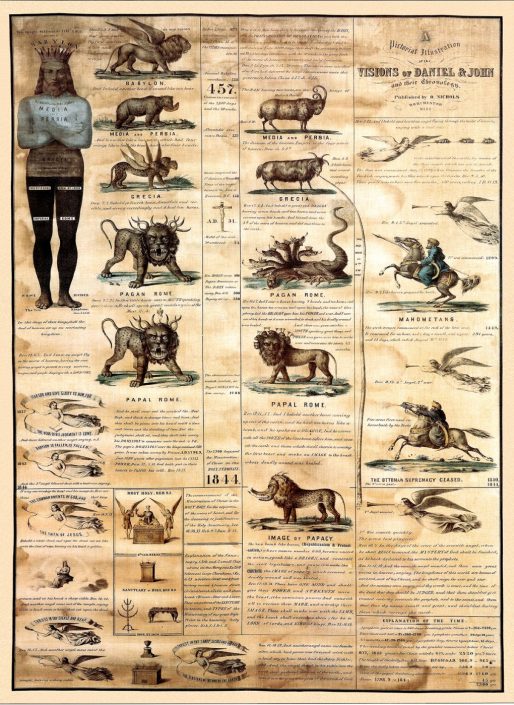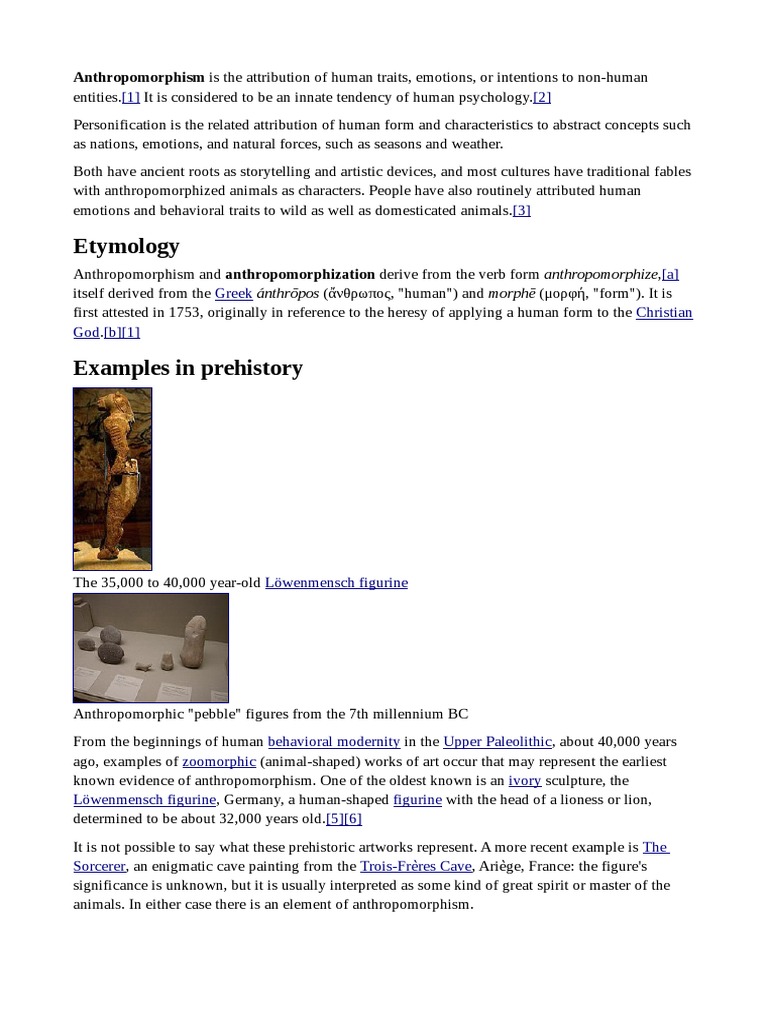
In the tapestry of human expression, anthropomorphism emerges as a vibrant thread, weaving together the worlds of imagination and reality. At its core, anthropomorphism is the attribution of human traits, emotions, or intentions to non-human entities. This fascinating concept transcends mere artistic embellishment and has woven itself into the fabric of literature, folklore, and even modern branding. In this article, we delve into the realm of anthropomorphism, exploring its various dimensions and uncovering its unique appeal.
Picture a wise old owl, perched solemnly on a branch, or a mischievous fox darting through the underbrush with a glint of cunning in its eye. These portrayals invite observers to connect emotionally with animals, infusing them with characteristics we recognize and understand. But why do we ascribe human qualities to beings that do not share our rational faculties? The answer lies in our innate desire for connection and comprehension.
Anthropomorphism serves as a tool for understanding the world around us. By personifying the inanimate or the animalistic, we cultivate familiarity, allowing complex concepts to manifest in tangible representations. This propensity for projection is not solely limited to literature; it permeates art, animations, and advertising, speaking to a universal human experience that yearns for relatability. It invites us to bridge the gap between our existence and the varied tapestry of life that envelops us.
Historically, anthropomorphic depictions have found their way into mythologies across cultures. The gods of ancient civilizations often exhibited human emotions and failings, showcasing jealousy, love, wrath, and compassion. These narratives not only provided explanations for natural phenomena but also served as profound ethical lessons. The Greeks personified deities like Zeus and Athena, encapsulating the human condition within celestial beings—a reflection of our aspirations, fears, and moral dilemmas.
In literature, anthropomorphism takes center stage, transforming ordinary characters into extraordinary entities. Consider works like Aesop’s Fables or George Orwell’s “Animal Farm,” where animals act and speak like humans to convey moral messages. The clever use of anthropomorphism in these narratives enhances their appeal, offering readers a safe distance from their own realities while simultaneously prompting introspection. By giving voice to the voiceless, authors evoke empathy and understanding, eliciting a visceral response from their audience.
Moreover, anthropomorphism has permeated the realms of popular culture. Animated characters such as Mickey Mouse, Bugs Bunny, or more recently, the lovable creatures of Pixar films, embody human characteristics while navigating whimsical adventures. These characters resonate deeply with audiences of all ages, as they embody emotions and experiences that are universally relatable. The humanlike qualities imbued in these characters enable viewers to see themselves reflected in animated depictions, constantly reinforcing the idea that the essence of humanity transcends beyond mere physical form.
However, anthropomorphism is not limited to animals or mythical creatures. Inanimate objects, ranging from household appliances to natural elements, often receive a human touch. Advertisements meticulously craft narratives where cars exhibit feelings as they ‘emote’ pride, excitement, or companionship. This anthropomorphization of brands cultivates an emotional connection, often resulting in consumer loyalty born not just of functionality but goodness of spirit.
Despite its alluring nature, anthropomorphism can evoke contentious discussions, particularly in scientific contexts. For example, assigning human attributes to animals may inadvertently skew our understanding of their behavior. Over-anthropomorphizing can lead to misconceptions about their instincts and evolutionary adaptations. Thus, while it fosters empathy and enhances storytelling, there exists a delicate balance; a separation between poetic expression and the objective study of nature’s intricacies.
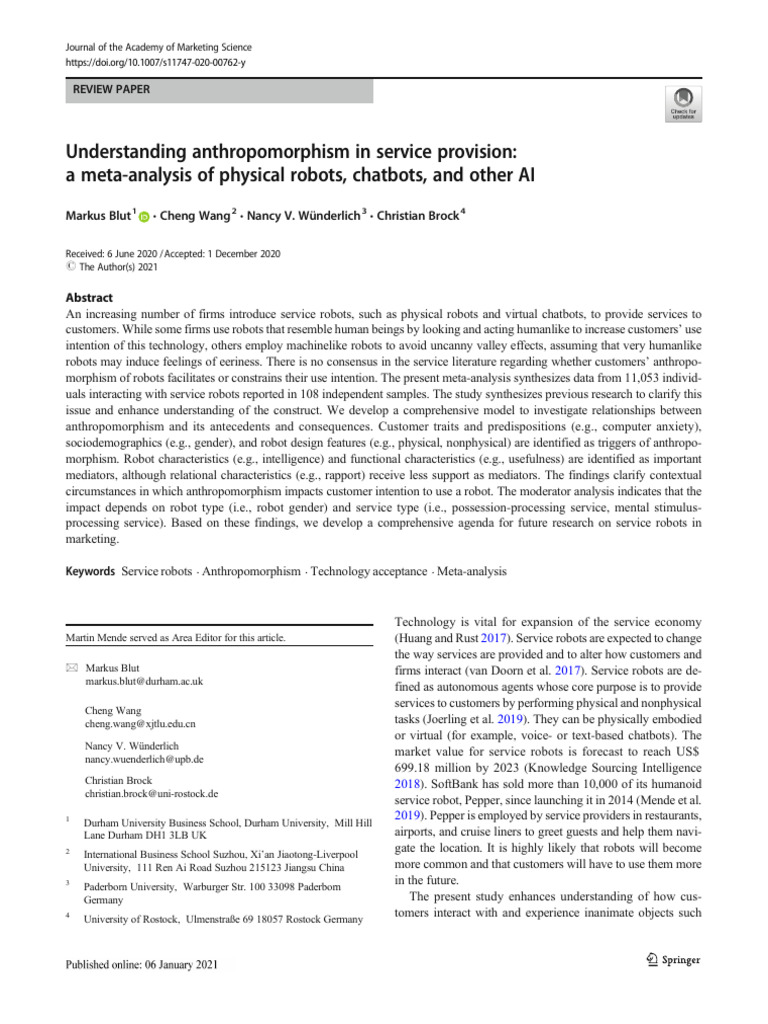
In contemporary discourse, anthropomorphism has gained traction in debates surrounding artificial intelligence and robotics. As machines evolve, their human-like features compel us to question our understanding of consciousness and identity. Robots that can ‘emote’ or respond in ways that mimic human behavior challenge our perspectives on what it means to be truly alive. The anthropomorphic tendencies in these technologies are evocative of our fears and aspirations, often raising existential queries about our relationship with the entities we create.
Yet, anthropomorphism’s most enchanting quality lies in its versatility. From the whimsical to the profound, it permeates countless forms of artistic expressions. Poems personifying seasons, songs that convey the sentiments of forgotten buildings, and paintings that imbue landscapes with emotional depth celebrate the rich nuances of anthropomorphism. This practice transcends cultural barriers, enabling a universal language of emotions and experiences that invites everyone to partake in artistic admiration.
In conclusion, anthropomorphism stands as a compelling testament to the interplay between human experience and the world that surrounds us. It is an invitation to see life through a lens that magnifies feelings, emotions, and aspirations, wrapped in a façade of familiar forms. Whether through storytelling, artistic representation, or our interactions with the advancing technologies of our age, anthropomorphism is a continuous exploration of the complex relationship between humanity and the broader universe. Thus, it beckons curious minds to delve deeper, to seek connection, and to find meaning in the extraordinary reflections of our own existence.