Anthropomorphism, the attribution of human traits, emotions, or intentions to non-human entities or phenomena, is a pervasive theme weaving through various strands of Western philosophical traditions. This concept is far more than a mere literary device; it encapsulates complex philosophical inquiries regarding the nature of consciousness, the essence of existence, and the relationship between humanity and the non-human world. By delving into this fascinating topic, readers can anticipate insights across various philosophical domains, including ethics, metaphysics, theology, and aesthetics. This exploration not only enriches our understanding of anthropomorphism but also illuminates recurrent themes and tensions within Western thought.
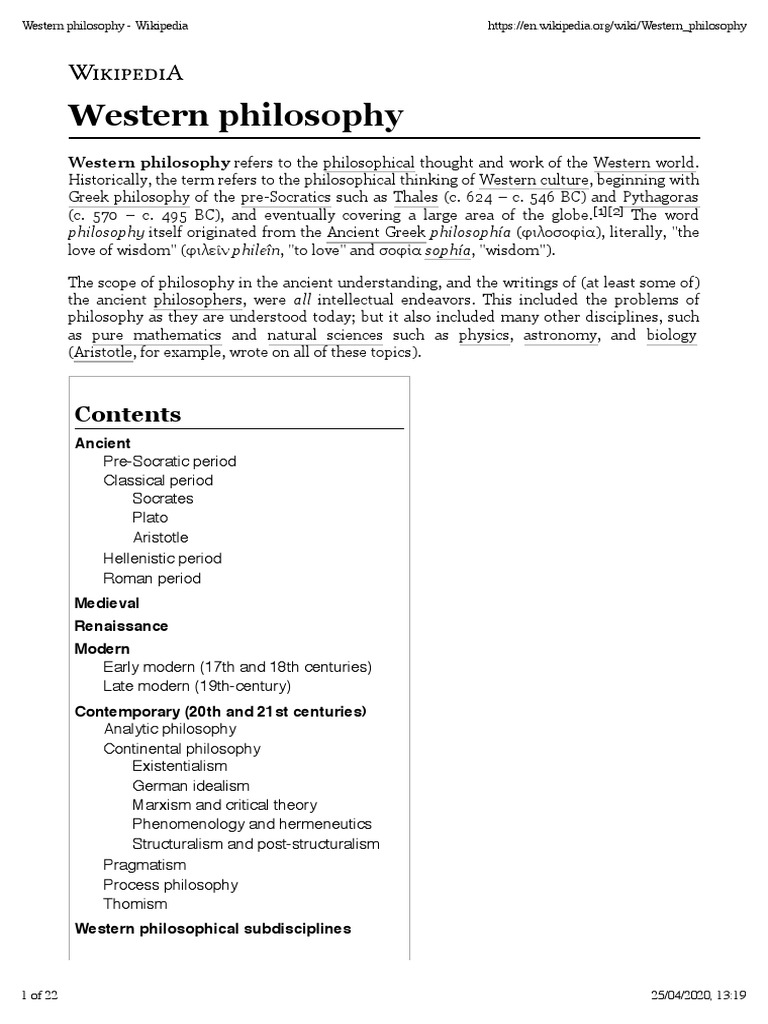
To begin with, a vast tapestry of anthropomorphic perspectives exists in ancient philosophical traditions. In the realm of Greek philosophy, for instance, anthropomorphism manifested profoundly through the personification of deities. The Olympian gods and goddesses—exemplary figures characterized by vivid, human-like attributes—exemplified this inclination toward human interpretation of the divine. Notably, Plato grappled with the concept of forms, postulating that ideal forms exist beyond the corporeal realm. Nevertheless, Plato’s dialogues often reflect anthropomorphic tendencies as he depicts deities engaging in dialogues, exercising moral judgments, and influencing human affairs. Such portrayals invite inquiries into the implications of ascribing human qualities to higher entities, provoking philosophical discourses about the interplay between humanity and divinity.
Aristotle’s perspectives further dissect the implications of anthropomorphism. In his teleological framework, Aristotle posits that every entity has an intrinsic purpose or end (telos), which aligns with anthropomorphic interpretations of nature. By attributing intentions and purposes to natural phenomena, Aristotle’s worldview challenges the boundaries between human agency and the natural world. This leads to a critical inquiry: to what extent is it justifiable to imbue non-human entities with human-like attributes? The ensuing debates reveal a perennial conflict between scientific objectivity and the gravitational pull toward human-centered interpretations.
Transitioning from the ancient to the medieval, the advent of Christianity introduced a novel anthropomorphic dynamic through the figure of God incarnate as Jesus Christ. Theologians like Augustine emphasized the need for humanity to comprehend God in relatable terms, often framing divine attributes using human traits. This anthropomorphic theology not only appealed to the faithful but also sparked significant philosophical dialogues about the nature of faith, reason, and the moral implications of a God who embodies human experience. Thus, anthropomorphism in this context raises profound questions: Can the divine truly be understood through human paradigms? And how does this shape our moral framework?
As the Renaissance dawned and Enlightenment ideals burgeoned, the anthropomorphic discourse evolved dramatically. Thinkers such as Descartes and Kant grappled with anthropocentrism, where human reasoning and perspective dominated epistemological considerations. Descartes famously promulgated the idea of a “thinking substance,” whereby human thought becomes the cornerstone of existence. The implications of this anthropomorphism, while illuminating human cognition, also negated or marginalized the intrinsic value of non-human entities, consequently breeding a philosophical rift regarding our ethical obligations to the environment and other living beings.
Furthermore, the 19th century witnessed the emergence of Darwinian evolution, prompting a radical shift regarding anthropomorphism in biological contexts. The transition from a theocentric worldview to a more biological and evolutionary perspective disrupted established anthropocentric narratives. Darwin’s insights invited inquiries into the ethical ramifications of viewing humans as a part of the evolutionary continuum. Anthropomorphism, thereby, took on new dimensions as animals began to be understood not merely as automata but as sentient beings with emotional lives paralleling those of humans. This reimagining prompted profound ethical considerations regarding animal rights and the responsibilities humans carry toward non-human creatures.
The contemporary philosophical landscape has further diversified anthropomorphism’s implications, notably within the realms of environmental philosophy and artificial intelligence. Thinkers such as Donna Haraway and Peter Singer have pioneered discussions surrounding the intersection of anthropomorphism and ethical considerations in the Anthropocene era. Haraway’s notion of “companion species” invites a radical rethinking of human relationships with non-human animals, pushing back against anthropocentrism in favor of interspecies solidarity and interconnectedness. This re-evaluation underscores the necessity of an anthropomorphic lens in fostering ethical frameworks that honor diversity and life in all its forms.
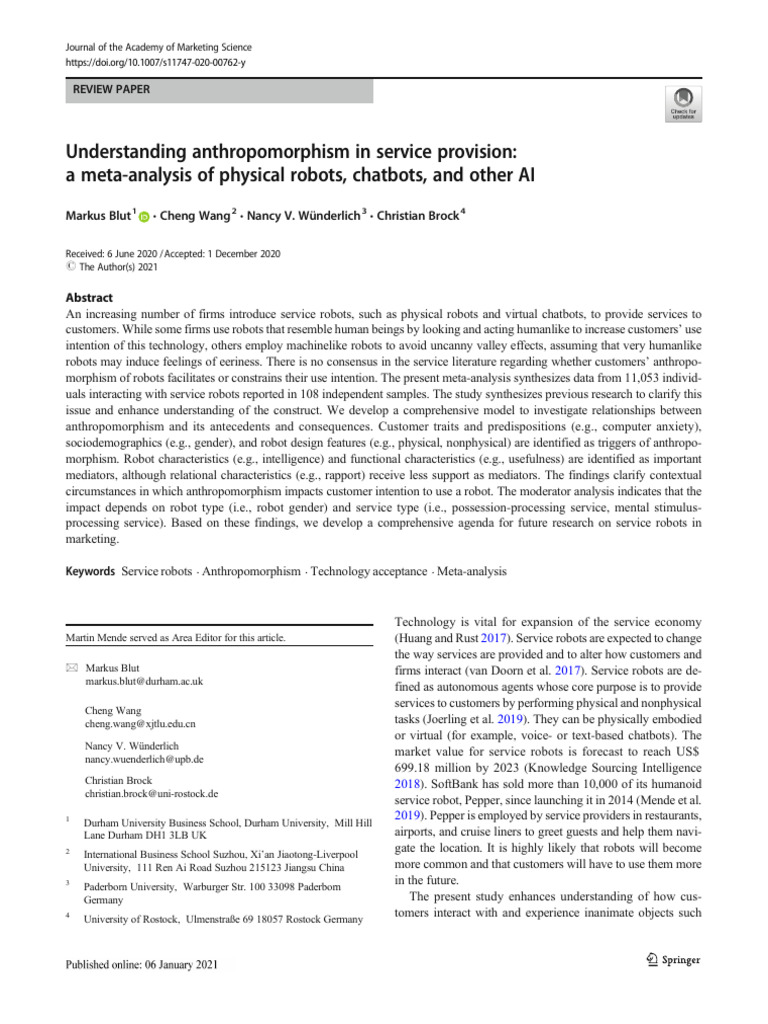
In contrast, the rise of artificial intelligence and robotics has reinvigorated debates surrounding anthropomorphism, particularly in terms of humanity’s relationship with machines. As AI increasingly mimics human behavior and decision-making, the contemporary discourse probes difficult questions: At what point do we attribute rights or moral consideration to non-human agents? Can machines genuinely possess emotions, or do they merely simulate human-like responses? The philosophical ramifications of these inquiries echo loudly in today’s rapidly evolving technological landscape, reflecting deeper existential questions about the nature of consciousness itself.
In summation, anthropomorphism encapsulates an intricate and multifaceted dialogue within Western philosophical traditions, from ancient theism to contemporary ethics. Readers can expect to engage with a rich interplay of ideas that challenge conventional wisdom while probing the depths of human understanding. This concept serves as a prism through which one can examine humanity’s evolving narrative in relation to the cosmos, the sentient beings that share it, and the technologies we create. Therefore, the study of anthropomorphism not only enriches philosophical inquiry but also beckons us toward a deeper, more reflective coexistence with the world around us.