Anthropomorphism, a strikingly multifaceted concept, finds itself woven intricately into the fabric of art, literature, and architecture. The term refers to the attribution of human traits, emotions, or intentions to non-human entities. This intriguing practice piques the interest of artists, writers, and architects alike, as it beckons audiences to connect with the world around them in an entirely new light. In exploring the various types of anthropomorphism, we embark on a journey that promises a shift in perspective, encouraging observers to appreciate the nuances and deeper meanings behind seemingly mundane aspects of life.
One of the most common forms of anthropomorphism manifests itself in animated characters—think of beloved figures like Mickey Mouse or Simba from the Lion King. The imbued human-like qualities allow these characters to resonate with our emotions and attributes such as happiness, sorrow, and even jealousy. This rendering of animals and objects into relatable personas serves to bridge the gap between the audience and the narrative. By allowing viewers to experience these emotions through characters devoid of human forms, a unique connection is established, enriching the storytelling experience.
Beyond the realm of animation lies another type of anthropomorphism: that which permeates literature. In works ranging from ancient fables to modern novels, authors frequently utilize anthropomorphism to convey moral lessons or explore themes of companionship and conflict. A poignant example can be found in Aesop’s Fables, where animals aren’t just creatures; they embody human virtues and vices. The tortoise, with its steadfast determination, teaches the value of perseverance, while the cunning fox warns against the peril of deceit. This literary technique adds a layer of complexity to narratives, drawing readers into a dialogue about human nature through the lens of animal behavior.
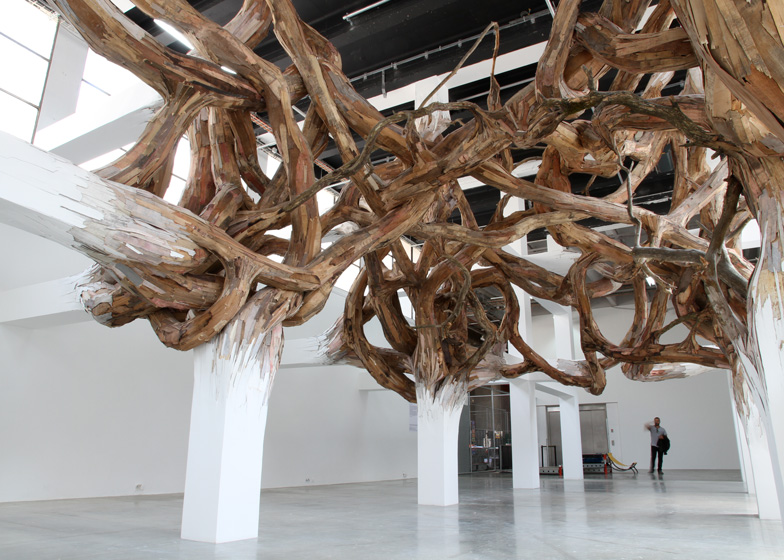
Architects and designers, too, embrace anthropomorphism in their work, creating buildings and structures that seem to breathe and live. Iconic architecture—such as the Santa Maria del Fiore cathedral in Florence—elicits wonder not merely through its grandeur but also through its ability to evoke human characteristics. The presence of arches that resemble welcoming arms or windows with eyes gazing into the streets prompts viewers to ascribe emotions to inanimate structures. Such approaches can drastically alter one’s experience of space, transforming sterile environments into warm and inviting sanctuaries.
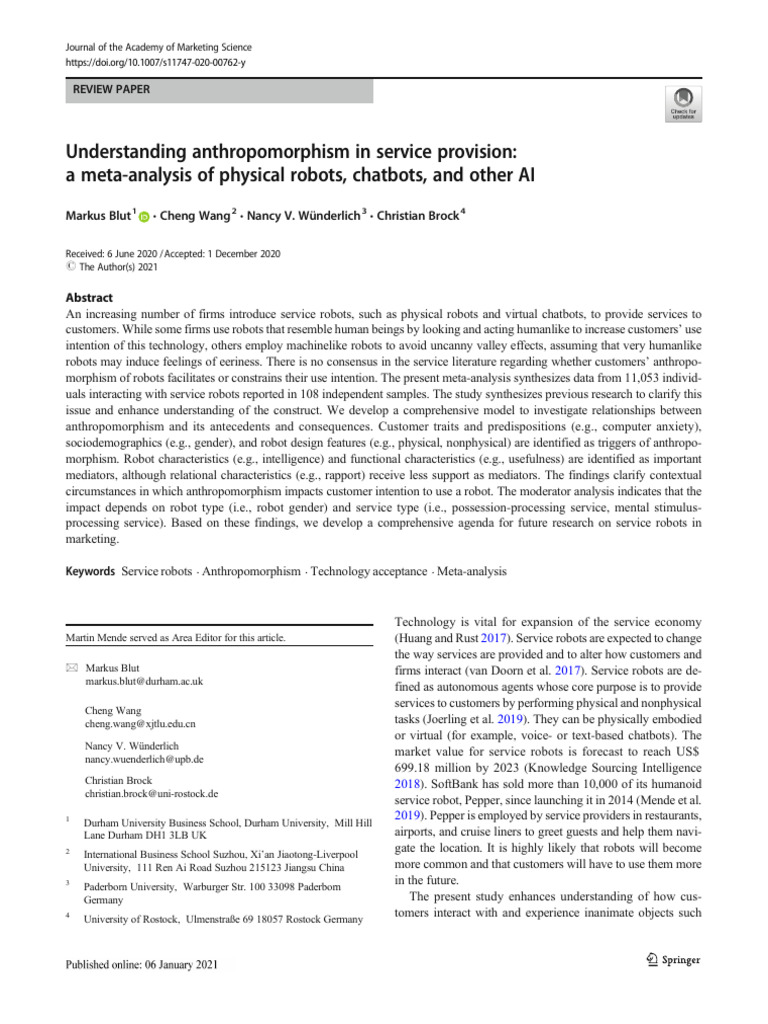
Another captivating type of anthropomorphism appears in the realm of technology, particularly with the advent of artificial intelligence. Innovations like personal assistants—think Siri or Alexa—exemplify the trend of endowing machines with human-like attributes. The warmth of their voices, the use of casual language, and even the ability to understand and respond to emotional cues reinforce a sense of companionship, making interactions feel less mechanical and more relatable. This phenomenon raises intriguing questions about our relationships with technology and the ethical implications of ascribing human qualities to machines.
Moreover, consider the emerging trend of anthropomorphism in branding and marketing. Companies often shape their products and mascots to possess human-like characteristics, creating an immediate emotional bond with consumers. Iconic brands such as M&M’s and Geico capitalize on this, transforming ordinary candies and insurance products into friendly characters that captivate audiences. By engaging their target demographic through relatable traits, brands cultivate loyalty and trust, enabling consumers to feel more connected to the product.
Anthropomorphism also finds a haven in nature. A fascinating example can be seen in the storytelling of natural phenomena. The wind whispers tales through the trees, while rivers sing songs as they flow. Engaging with nature anthropomorphically fosters a deeper appreciation for the environment, encouraging a sense of stewardship. By recognizing the world’s inherent character and spirit, humans can cultivate a more harmonious relationship with nature, advocating for conservation and mindfulness in the face of ecological challenges.
Yet, embracing anthropomorphism is not without its critiques. Some scholars argue that this practice may lead to anthropocentrism—the perspective that human beings are the central or most significant entities in the universe. This viewpoint can dampen the importance of non-human entities, relegating them to mere instruments for human use. The risk is that the diverse tapestry of life remains underappreciated when viewed solely through a human lens. Recognizing this, it becomes essential to balance the benefits of anthropomorphism with a sense of humility and respect for all living beings.
As we traverse the intricate landscape of anthropomorphism, one cannot help but marvel at its versatility and profound implications. From animated characters that tug at our heartstrings to architectural masterpieces that resonate with our emotions, anthropomorphism invites us to reconsider our relationship with the world around us. It challenges us to find meaning and connection beyond the confines of human experience, ensuring that every story, structure, or even machine possesses a heartbeat waiting to be discovered.
In conclusion, the types of anthropomorphism—spanning literature, technology, branding, and nature—encapsulate a rich domain of curiosity and creativity. Through this lens, we not only engage with various elements of our universe but also reflect our innermost thoughts, fears, and aspirations. In the end, anthropomorphism champions a kaleidoscope of relationships, reframing our understanding and inviting us to forge connections with the extraordinary lives that surround us.