Anthropomorphism, the attribution of human-like characteristics to non-human entities, has captivated human imagination and cultural narrative since time immemorial. From ancient mythology, where gods exhibited human traits, to contemporary literature and animated films that feature anthropomorphized animals, this cognitive predisposition influences human perceptions and interactions with the world around them. However, while the charm of anthropomorphism can enliven our stories and deepen emotional engagements, it poses significant risks when taken to excess—fostering misunderstanding and misjudgment in various domains of life.
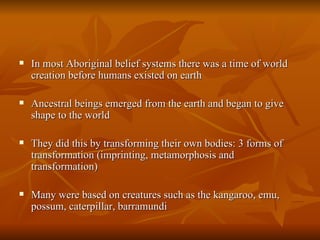
To delve into the intricacies of anthropomorphism, one must first appreciate its underlying psychological allure. Humans are inherently predisposed to recognize patterns and assign intentions, even to the inanimate. This inclination stems from an evolutionary necessity to make sense of their environment, offering not merely comfort but also efficacy in survival. For example, giving agency to a storm, fearing “anger” from the heavens, allowed ancient civilizations to frame their rituals and agricultural practices around these perceived deities.
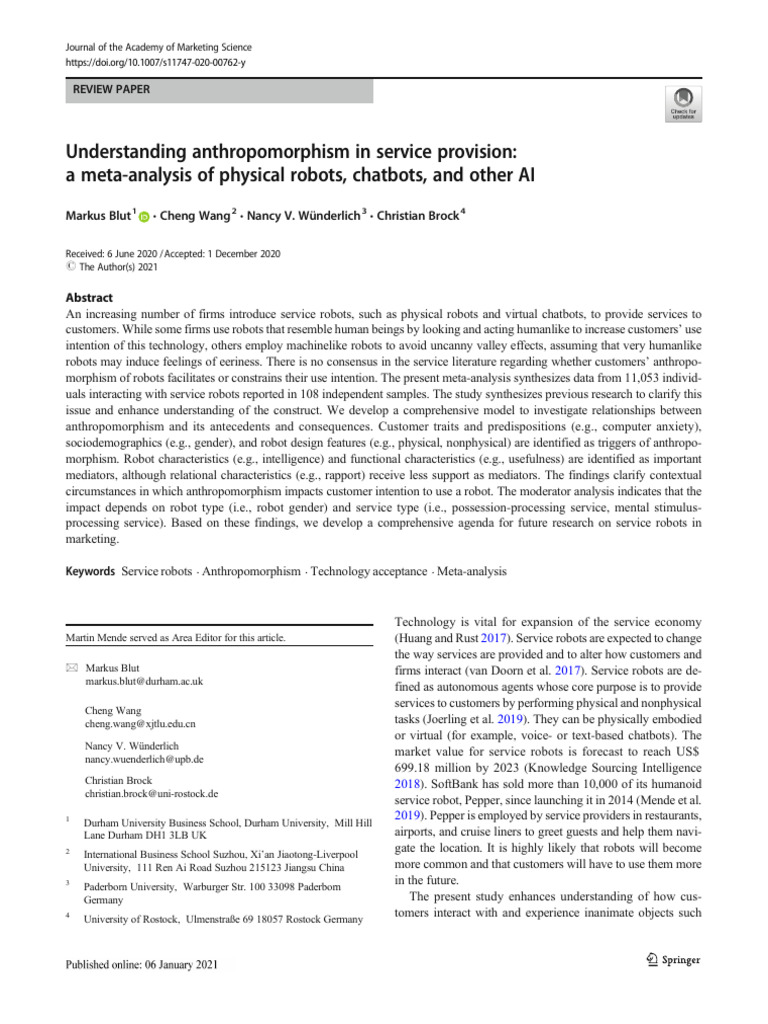
As society has evolved, this tendency has not diminished; rather, it has proliferated into various spheres, including artificial intelligence and biotechnology. In the realm of technology, anthropomorphism has found fertile ground. Voice-activated assistants, such as Siri or Alexa, are imbued with human-inflected traits and conversational styles. While this fosters ease of use and an illusion of companionship, it can lead individuals to ascribe emotional capacities or moral considerations to machines that are fundamentally devoid of such attributes.
The paradox of anthropomorphism lies in its dual nature. On the one hand, it enriches storytelling, making characters relatable and narratives compelling. On the other hand, it can engender fallacies when humans over-attribute humanlike qualities to entities that do not possess them. This risks creating a blurred line between subjective interpretation and objective reality, ultimately distorting our perceptions. As a result, critical thinking may be undermined as individuals overlook significant differences between human and non-human behaviors.
Consider the impact of such over-attribution in environmental conservation. When animals, such as wolves or bears, are anthropomorphized, individuals often attribute human motivations to their behaviors. For instance, viewing wolves as “fearsome” or “revenge-driven” can exacerbate conflicts, inciting mismanagement of wildlife populations. The resultant hysteria may lead to questionable conservation strategies driven by emotional responses rather than scientific evidence. Emphasizing solely the human-like emotions of these animals overshadows their ecological roles, consequently jeopardizing entire ecosystems.
Further complicating this discourse, anthropomorphism can skew our understanding of mental health and emotional well-being. The tendency to equate animal behavior with human emotions can prompt misguided interpretations of pet behaviors, leading to inappropriate treatment responses. For example, attributing jealousy or spite to a dog’s behavior may distract from the actual cause of anxiety or stress, resulting in ineffective training methods or even punishment, which can be detrimental to a pet’s psychological state.
Moreover, anthropomorphism can cultivate an unrealistic narrative about artificial intelligence and its capabilities. As AI technology becomes increasingly sophisticated, there exists a significant temptation to assign human-like traits to these systems. This tendency is often amplified by their design, which incorporates social cues and conversational patterns reminiscent of human interaction. However, this misrepresentation can create a false sense of trust or understanding, potentially endangering users who may naively expect empathy or moral discernment from a machine. In relying on anthropomorphic depictions, society risks overlooking the imminent ethical considerations surrounding the deployment of AI in sensitive areas such as healthcare, finance, and law.
The realm of literature and entertainment further reflects the intriguing yet perilous dance with anthropomorphism. Iconic characters, from Aesop’s fables to modern animated features, frame animal characters with human traits, imparting moral lessons wrapped in entertaining narratives. While engaging, these stories can dilute real perceptions of species and their behaviors, leading audiences to misconstrue the natural world. While a talking fox in a children’s book may promote charming adventure, the real-life counterpart remains a wild creature governed by instinct rather than reason.
Nevertheless, the fascination with anthropomorphism cannot be entirely discounted. It presents valuable opportunities for education and empathy. Navigating the fine line between enrichment and obfuscation, one must actively cultivate critical awareness about the nuances of attribution. Acknowledging the unique characteristics and behaviors of non-human entities can enhance understanding without reducing them to merely human terms.
Engaging with nature or technology through a lens of balanced anthropomorphism allows for a deeper appreciation of diversity. Acknowledging the intricate behaviors of animals, recognizing technological limitations, and fostering empathy in our interactions can facilitate more nuanced discussions about morality, ecology, and technology. By deconstructing the allure of anthropomorphism, one can achieve clarity and actionable insights concerning the dynamics of interaction between humans and the myriad entities that populate our world.
In conclusion, the promise of anthropomorphism lies in its ability to link human emotions to otherwise distant entities, engendering curiosity and fostering connections. However, a persistent caution must accompany this exploration. Over-attribution risks blurring the lines between reality and interpretation, leading to poor decision-making and mismanagement in various spheres of life. Through critical discernment and a balanced approach, the risks associated with anthropomorphism can be mitigated, enabling a richer, more nuanced engagement with the non-human world while retaining clarity in our perspectives.