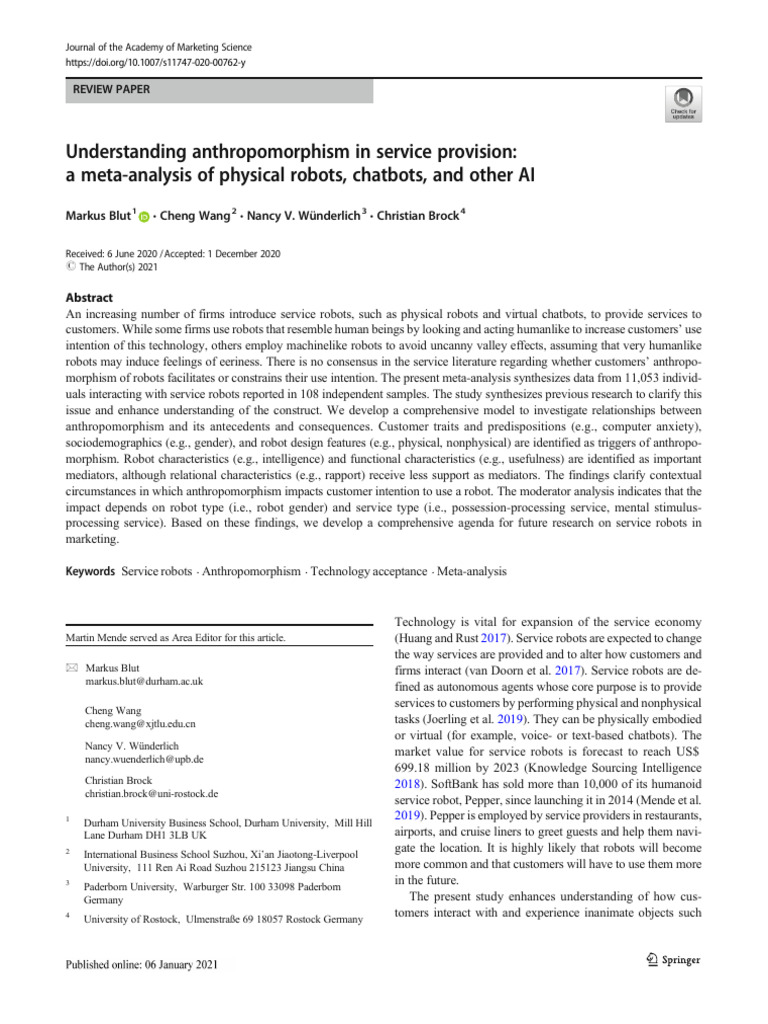
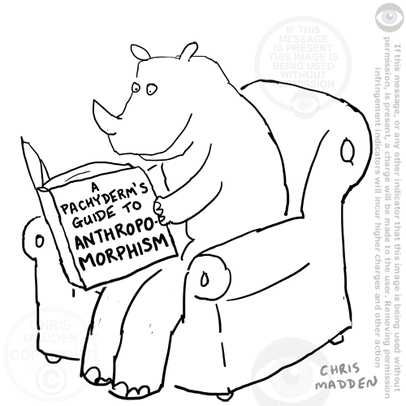
Human beings possess an innate proclivity to ascribe human attributes and emotions to non-human entities—a phenomenon known as anthropomorphism. This psychological tendency can be observed in various contexts, such as in our interactions with animals, avowals of robots, and even the personification of inanimate objects. While this instinct often fosters connections and engenders compassion, it simultaneously harbors a plethora of pitfalls that can mislead our understanding of the entities we project upon. This article delves into the multifarious perils of anthropomorphism, unpacking its implications across various domains, including technology, nature, and interpersonal relationships.
Understanding Anthropomorphism
Anthropomorphism can be defined as the attribution of human traits, emotions, and intentions to non-human entities. This cognitive bias arises from our tendency to understand and relate to the world through the lens of our own experiences. As children, we often endow stuffed animals with personalities; as adults, we may talk to our cars or attribute feelings to our computers. Such projections can simplify complex interactions and make the unfamiliar more approachable. However, this superficial understanding can often elude substantial truths, leading us astray.
The Technological Frontier
In the realm of technology, anthropomorphism has emerged as a double-edged sword. The advent of sophisticated artificial intelligence (AI) and robotics has revealed both its potential and pitfalls. When humans interact with AI systems, such as virtual assistants, there is a natural tendency to endow them with human-like attributes. For instance, one may view their intelligent speaker as a friend when asking for music recommendations or weather updates. This illusion can engender a sense of familiarity and make technology more accessible.
However, the peril arises when we overestimate the capabilities of these systems due to our anthropocentric view. By attributing human-like qualities to AI, we risk misinterpreting their functionalities and limitations. The misconception that AI can understand emotions leads to reliance on technology in situations where human empathy is essential. Such reliance may culminate in emotional disconnects, as users may unwittingly solicit confessions or support from a machine that lacks real comprehension or genuine feelings.
Nature’s Complexities
Anthropomorphism extends beyond technology and finds its way into our interpretations of the natural world. We frequently personify animals, imbuing them with human motives and feelings. Think about the way we mourn the death of a beloved pet, believing that they experience sorrow or depression in our absence. While it is crucial to acknowledge the emotional lives of animals, oversimplifying their motivations in human terms can obscure biological truths. Animals operate within instinctual frameworks and adaptive behaviors that serve their survival and reproduction, realms often misunderstood when viewed through an anthropomorphic lens.
This misapprehension can lead to detrimental consequences as well. For instance, idealizing wild animals as noble or gentle creatures can create conflict in conservation efforts, as it may undervalue the dangers they pose or deliver unrealistic expectations of their behaviors. Such beliefs can hinder effective wildlife management and contribute to the perilous human-wildlife interactions that ensue from misunderstanding the complexities of animal existence.
Interpersonal Relationships and Emotional Projections
Anthropomorphism is not limited to our interpretations of technology and nature; it permeates our interpersonal relationships as well. Our tendency to project our emotions onto others can create misunderstandings and miscommunications, leading to greater conflict. For instance, we might misinterpret a friend’s reserved demeanor as indifference when the truth may be that they are simply preoccupied with their worries. By reading human intentions into ambiguous behaviors, we can cultivate unnecessary tensions and distance in relationships.
The implications of anthropomorphism can be particularly pronounced in romantic relationships. When one partner imbues the other with idealized traits based on preconceived notions or societal narratives, they might overlook their partner’s vulnerabilities and authentic self. This kind of romanticization often leads to disappointment and disillusionment as the idealized image clashes with reality, causing relationships to fray.
Combatting the Perils of Anthropomorphism
To mitigate the potential pitfalls of anthropomorphism, it is essential to cultivate awareness and critical thinking regarding our perceptions. Encouraging an empirical understanding of technology rather than an emotional connection can foster a more effective integration of these tools into our lives. Acknowledging the distinct needs and behaviors of animals allows for more sustainable conservation efforts that respect their inherent nature.
Furthermore, fostering open communication in interpersonal relationships can help dispel myths that arise from anthropomorphic projections. Approaching conversations with curiosity rather than presumption can pave the way for stronger connections based on mutual understanding. Taking the time to understand another’s perspective, while simultaneously acknowledging the complexities of human experience, enriches interpersonal relationships without succumbing to the superficial allure of anthropomorphism.
Conclusion: Navigating with Clarity
While anthropomorphism may render our world more relatable, it is paramount to recognize the ramifications that this instinctual behavior carries. By embracing a nuanced understanding of technology, nature, and human relationships, we can forge connections grounded in clarity and realism. Acknowledging the differences between our own human attributes and those of other entities nurtures a deeper appreciation for the complexities of existence. It is through this understanding that we can navigate the intricate web of relationships—be they with machines, animals, or people—with greater wisdom and awareness.